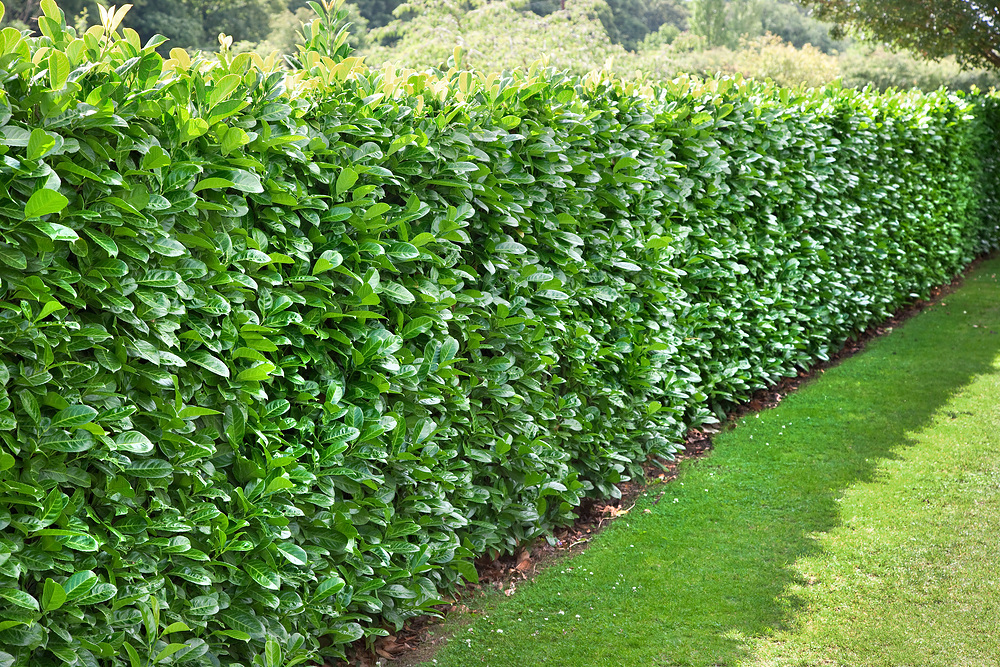
Consider cherry laurel for substantial evergreen boundaries with room for its broad growth. Compare the available starting heights with the specification and allow access for clipping. It is a poor choice for squeezing into a strip that cannot accommodate its maintained width.
View plants and sizesSectors we supply
Hedging for housing developments
The approved landscape plan should set out what belongs along each plot boundary, shared path and communal area. A low hedge beside a front garden needs different space and maintenance from an evergreen screen along the development perimeter. Compare the available plants with your landscape schedule, including the botanical name, supplied height, pot size and quantity. Where a specification calls for something different, settle any proposed change with the person responsible for the landscape design before ordering.
Compare hedge plantsCompare plants for your project
All hedge plantsStart with the site conditions and intended height. Compare the supplied size and minimum quantity before you order.
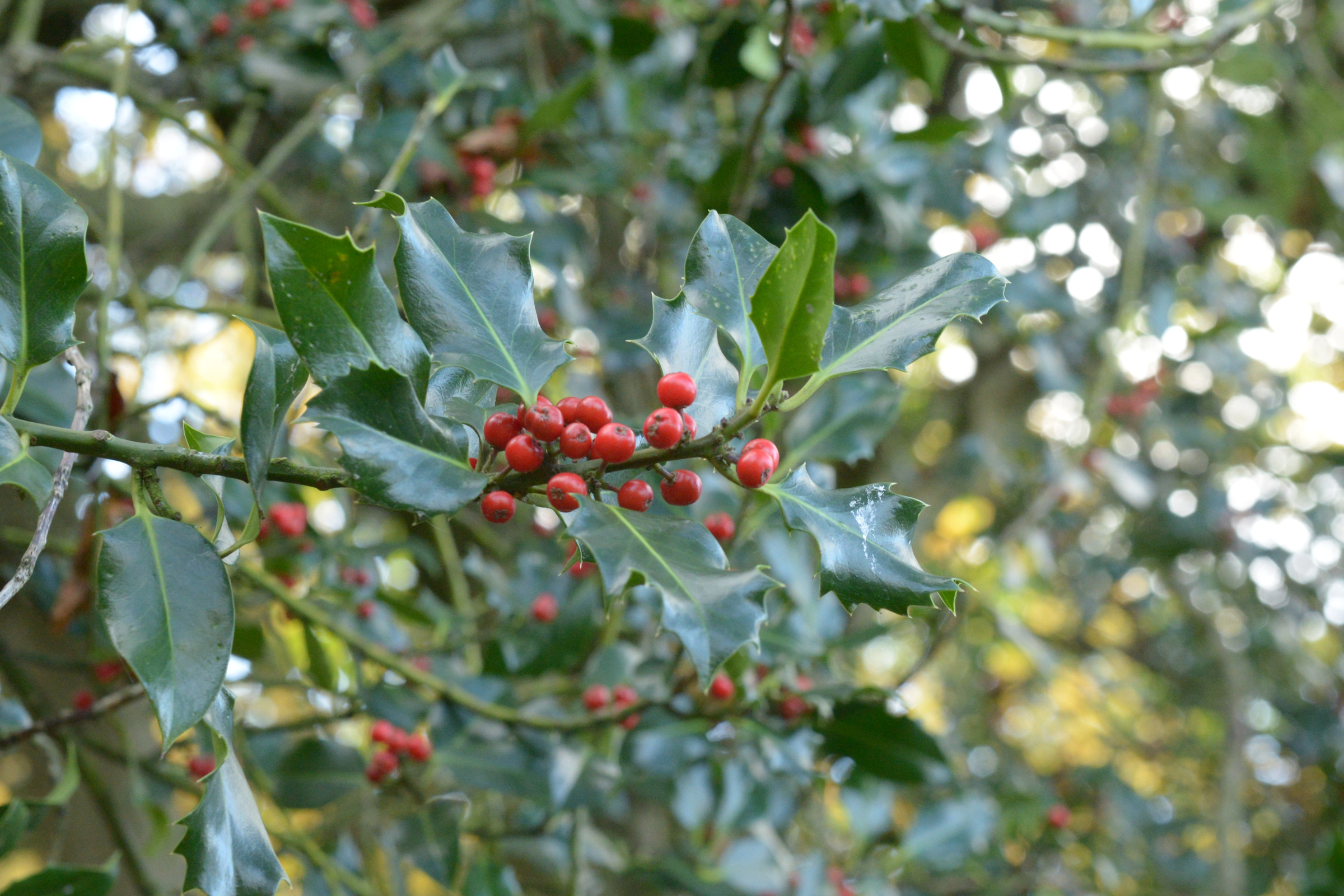
Holly can suit a specification that calls for an evergreen hedge with smaller, spiny leaves. Place it with care beside paths and areas residents will touch. Check the listed plant size and quantity rather than judging the supplied hedge by mature photographs.
View plants and sizes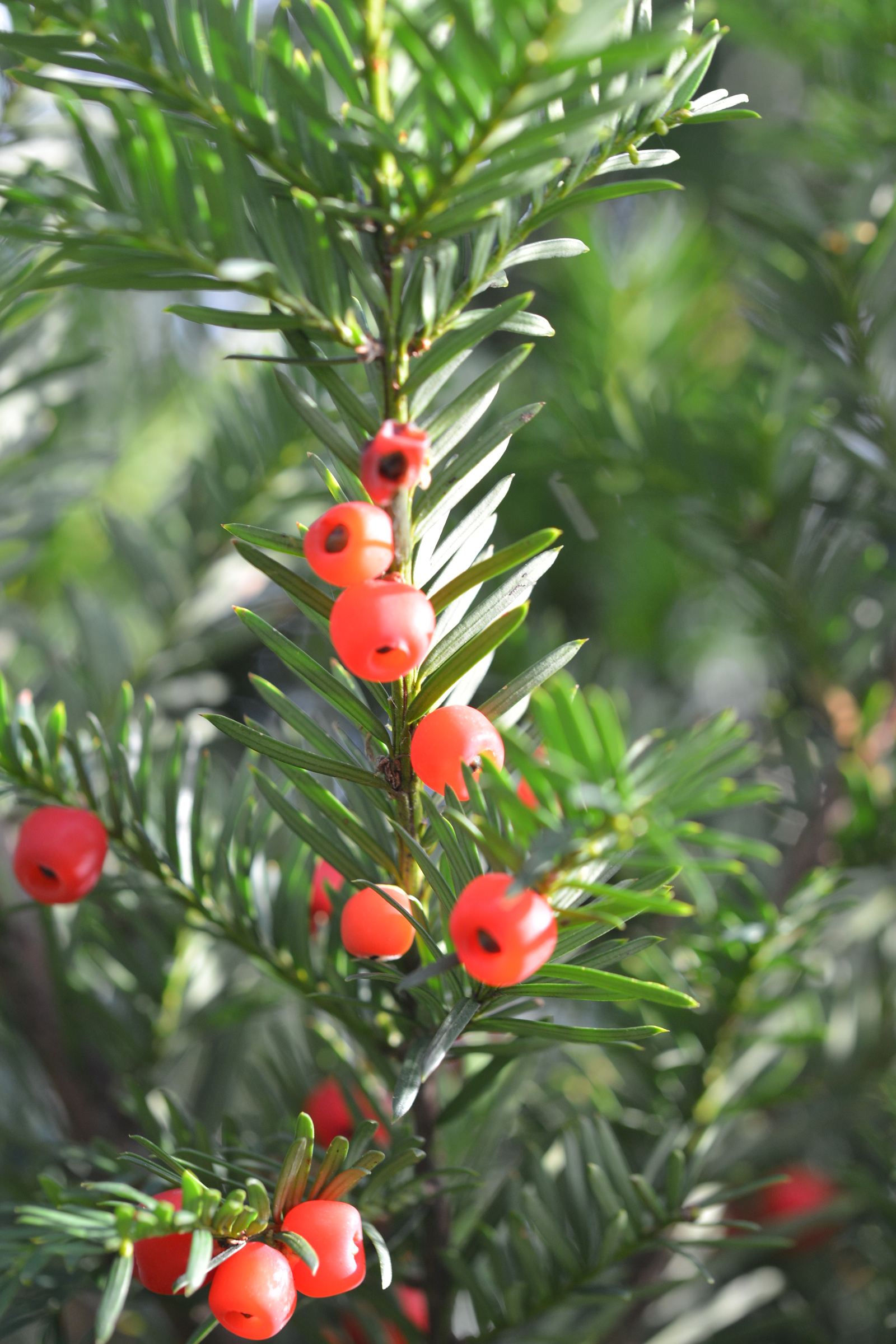
Yew is worth comparing where a clipped evergreen boundary is wanted and the soil drains well. Assess its suitability for the exact location, including access by children or animals. It is toxic if eaten and should not be treated as a universal planting choice.
View plants and sizesOrder against the landscape specification
Split the schedule into identifiable runs: plot fronts, rear gardens, shared paths and estate boundaries. Give each run a reference and measure its usable length, excluding access points. The same species may appear in several places with different starting sizes, spacing or intended heights, so a single total can hide important differences.
Check whether the drawing specifies a cultivar, root format or planting density. A plant with a similar common name is not automatically an equivalent. Keep a clear record of agreed substitutions so the order, drawing and planting team are all working from the same information.
- Measure each run after deducting entrances and gates
- Note the specified plants per metre for each species and size
- Check minimum order quantities on the product page
Spacing and quantities for common hedging plants
Use the table to estimate plant numbers for 5m, 10m and 20m lengths. The spacing ranges are indicative, so check them against the approved planting schedule and the selected stock size. Keep the counts for separate plots and communal areas identifiable so changes can be checked without recalculating the whole scheme.
For a single row, space plants evenly along the run. A double staggered row gives a thicker hedge sooner: set plants in two parallel lines with the second row offset by half the spacing. Multiply the plants per metre by the length of each row separately.
| Species | Plants per metre (single row) | Plants per metre (double row) | Plants for 5m (single row) | Plants for 10m (single row) | Plants for 20m (single row) |
|---|---|---|---|---|---|
| Cherry laurel | 2 to 3 | 4 to 5 | 10 to 15 | 20 to 30 | 40 to 60 |
| Portuguese laurel | 2 to 3 | 4 to 5 | 10 to 15 | 20 to 30 | 40 to 60 |
| English yew | 2 to 3 | 4 to 5 | 10 to 15 | 20 to 30 | 40 to 60 |
| English holly | 2 to 3 | 4 to 5 | 10 to 15 | 20 to 30 | 40 to 60 |
| Green Leylandii | 2 to 3 | 4 | 10 to 15 | 20 to 30 | 40 to 60 |
| Privet | 4 to 5 | 6 to 7 | 20 to 25 | 40 to 50 | 80 to 100 |
| Common hawthorn | 4 to 5 | 6 to 7 | 20 to 25 | 40 to 50 | 80 to 100 |
| Box (Buxus) | 5 to 7 | 8 to 10 | 25 to 35 | 50 to 70 | 100 to 140 |
Leave space around homes, paths and services
Mark the intended hedge line on the ground before choosing the final quantity. Consider the width it will occupy beside footpaths, parking spaces and garden gates. Keep utility access points identifiable and accessible. Where a hedge separates two plots, decide who will be able to reach each face for trimming.
An evergreen hedge may suit a boundary where foliage is wanted through winter. Cherry laurel has broad leaves and vigorous growth, so it needs adequate room. A narrow planting strip should not be filled with a large species simply because the young plants fit at the time of purchase.
Match each order to a ready planting area
Coordinate purchasing with the stage of the groundworks. Finished levels, soil preparation and access should be settled before plants are placed along the boundary. Check for compacted ground and construction debris in the planting strip, particularly where machinery has been working.
Compare the quantity for each phase with the minimum order shown on the product page. Keep different sizes labelled separately when they arrive on site. If planting is delayed, allocate a suitable holding area and someone to check the plants, rather than leaving that responsibility between contractors. Bare root plants are supplied in the dormant season, roughly November to March, and need planting promptly.
Write aftercare into the handover
Agree who will water and inspect the hedge between planting, occupation and transfer to the management company or homeowner. New plants need attention during dry weather; a visit that only tidies the grass is not an establishment check. Record any irrigation points and keep access to them clear.
A useful handover includes the species, planting date, intended height and width, and a named contact for maintenance. Photograph the completed runs against their plan references. That makes it easier to identify gaps or later damage and to order the correct replacement size if a section needs attention.
New build garden hedging: plants for smaller spaces
Small front gardens on new build estates often need low, manageable hedging that does not overwhelm the plot. Compact hebes, dwarf azaleas and selected low-growing conifers are worth comparing where a taller hedge would crowd a small front garden. Mixed hebes, available in 9cm pots in packs of 4, 6, 12 or 18, give evergreen foliage and summer flowers while staying compact with regular trimming. Hebe Red Edge, supplied in 9cm pots in packs of 2, 3, 4 or 6, offers a neat grey-green leaf with a red margin.
Dwarf evergreen azaleas and mixed Japanese azaleas bring spring flowers to a low border where the soil is acidic. Dwarf evergreen azaleas are sold as individual plants in 2 litre pots. Mixed Japanese azaleas come in 9cm pots in packs of 4, or 2 litre pots in packs of 4 or 6. Mixed dwarf conifers offer year-round foliage with different forms and textures. Their listed options include 9cm pots in packs of 4, 2 litre pots in packs of 6, and potted packs of 6, 12 or 18. French lavender Bandera Purple, in 1 litre pots as singles or packs of 2 or 4, adds fragrance and suits a sunny front edge. For a classic low formal hedge, box (Buxus) is supplied bare root at 20 to 40cm.
Choosing the right hedge for the job
Each species in the catalogue has a different growth rate, eventual size and maintenance need. The comparison below covers key points for several hedging plants we supply. Use it alongside the landscape specification to narrow the options.
Evergreen choices such as cherry laurel, Portuguese laurel, English yew and holly keep their leaves through winter. Green beech and common hawthorn lose their green leaves seasonally, while privet is semi-evergreen and may retain much of its foliage in mild winters. Compare the actual listed prices and supplied sizes before deciding which is most economical for the length required. Conifers including green Leylandii and Castlewellan Gold grow quickly and need regular trimming to stay within bounds.
| Species | Evergreen or deciduous | Typical growth per year | Sensible hedge height | Hardiness | Toxicity note |
|---|---|---|---|---|---|
| Cherry laurel | Evergreen | 30 to 60cm | 2 to 4m | Fully hardy | Leaves and berries toxic if eaten |
| Portuguese laurel | Evergreen | 20 to 40cm | 2 to 4m | Frost hardy | Leaves and berries toxic if eaten |
| English yew | Evergreen | 20 to 30cm | 1 to 4m | Fully hardy | All parts toxic if eaten |
| English holly | Evergreen | 10 to 25cm | 2 to 4m | Fully hardy | Berries toxic if eaten |
| Green Leylandii | Evergreen | 60 to 90cm | 2 to 6m plus | Fully hardy | Foliage can irritate skin |
| Privet | Semi-evergreen | 30 to 60cm | 1 to 3m | Fully hardy | Leaves and berries toxic if eaten |
| Common hawthorn | Deciduous | 30 to 45cm | 2 to 4m | Fully hardy | None |
| Box (Buxus) | Evergreen | 10 to 15cm | 0.3 to 1.5m | Fully hardy | Leaves toxic if eaten |
Questions about housing developments
Can you deliver hedging in phases across a build programme?
For a project involving several planting phases, send the species, sizes and quantities required for each stage, together with the site postcode and intended planting periods. Discuss the delivery requirements before placing the orders rather than assuming particular dates can be accommodated. Keeping each phase separate makes it easier to check the stock against prepared plots and reduces the need to hold plants on site.
Which hedges suit small new build front gardens?
Low, compact plants work best where space is tight. Mixed hebes and Hebe Red Edge stay small with trimming and give evergreen cover. Dwarf azaleas and Japanese azaleas add spring colour, while dwarf conifers provide year-round structure. French lavender suits a sunny front edge. For a formal low hedge, box (Buxus) at 20 to 40cm is a traditional choice that clips neatly.
What are the new rules for garden hedges in the UK?
There is no single new law covering all garden hedges, but several regulations affect planting on housing developments. Boundary hedges must not obstruct highways or sightlines. Some estates have covenants restricting species or hedge height. In England and Wales, qualifying complaints about high evergreen or semi-evergreen hedges are handled under Part 8 of the Anti-social Behaviour Act 2003. Scotland and Northern Ireland have separate high hedge legislation. Always check the planning conditions and the landscape specification for any height or species restrictions before ordering.
Do you supply to housebuilders and landscapers on account?
Contact us with the planting schedule, required species and sizes, quantities by phase, site postcode and intended planting period. Include any fixed dimensions or root formats so the listed stock can be checked against the specification. If your purchasing process requires an account or other payment arrangement, ask about the available terms before committing to the order.
Can one species be used throughout a development?
It may be suitable where the specification and growing conditions allow it, but check each location. A sunny plot front, a shaded communal path and a broad estate boundary can have different space and maintenance requirements. Keep the plant schedule tied to the individual planting areas.
How do we calculate the plant quantity?
Measure each run after deducting entrances and other gaps, then use the spacing agreed for the specified species and size. Multiply the usable length by the number of plants per metre. Treat separate rows separately and check the minimum quantity on the selected product.
Can we substitute another plant or pot size?
Compare the proposed alternative with the full specification, then obtain agreement from whoever controls the landscape plan. Botanical identity, height, root format and planting density all matter. Keep that approval with the order so an apparent saving does not create a different finished scheme.
What should we send with a project enquiry?
Include the planting schedule, required species and sizes, quantities by phase, site postcode and intended planting period. Note any minimum dimensions or root formats that cannot change. If you are still deciding, include the available planting width and the intended finished hedge height.