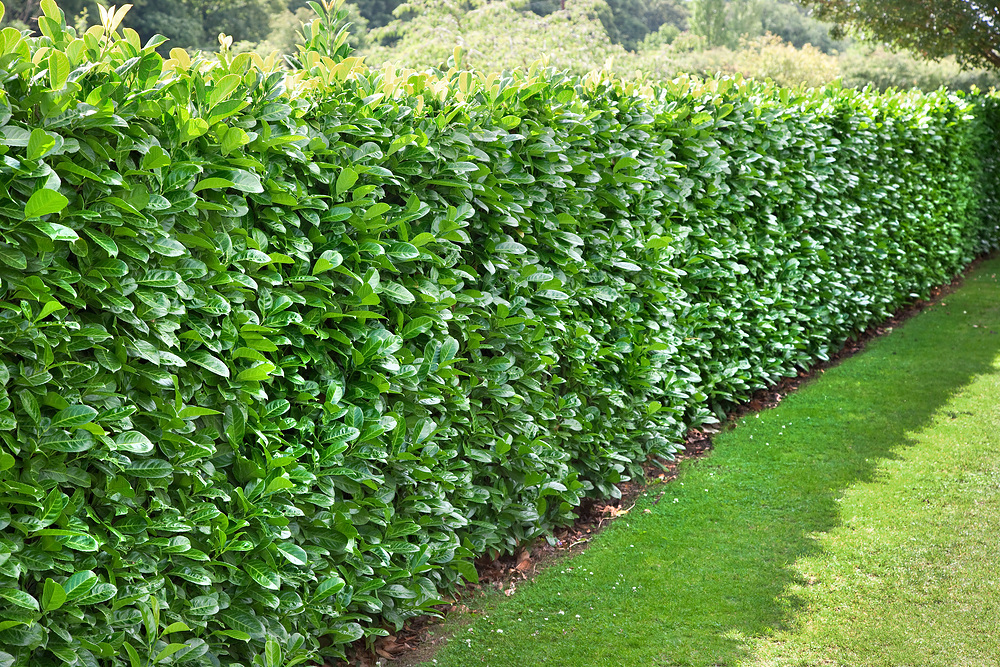
A broadleaved evergreen to compare for substantial club boundaries or planting around non-playing areas. It needs suitable drainage and enough width for its spreading habit. Keep the maintained hedge outside the working space needed for sport, spectators and equipment access.
View plants and sizesSectors we supply
Hedging for sports grounds and clubs
A hawthorn boundary can separate a sports ground from surrounding land, while cherry laurel can screen a maintenance yard or clubhouse service area. On golf courses and playing fields, hedge height and position need particular care so planting does not obstruct play, machinery or spectator sightlines.
Compare hedge plantsCompare plants for your project
All hedge plantsStart with the site conditions and intended height. Compare the supplied size and minimum quantity before you order.
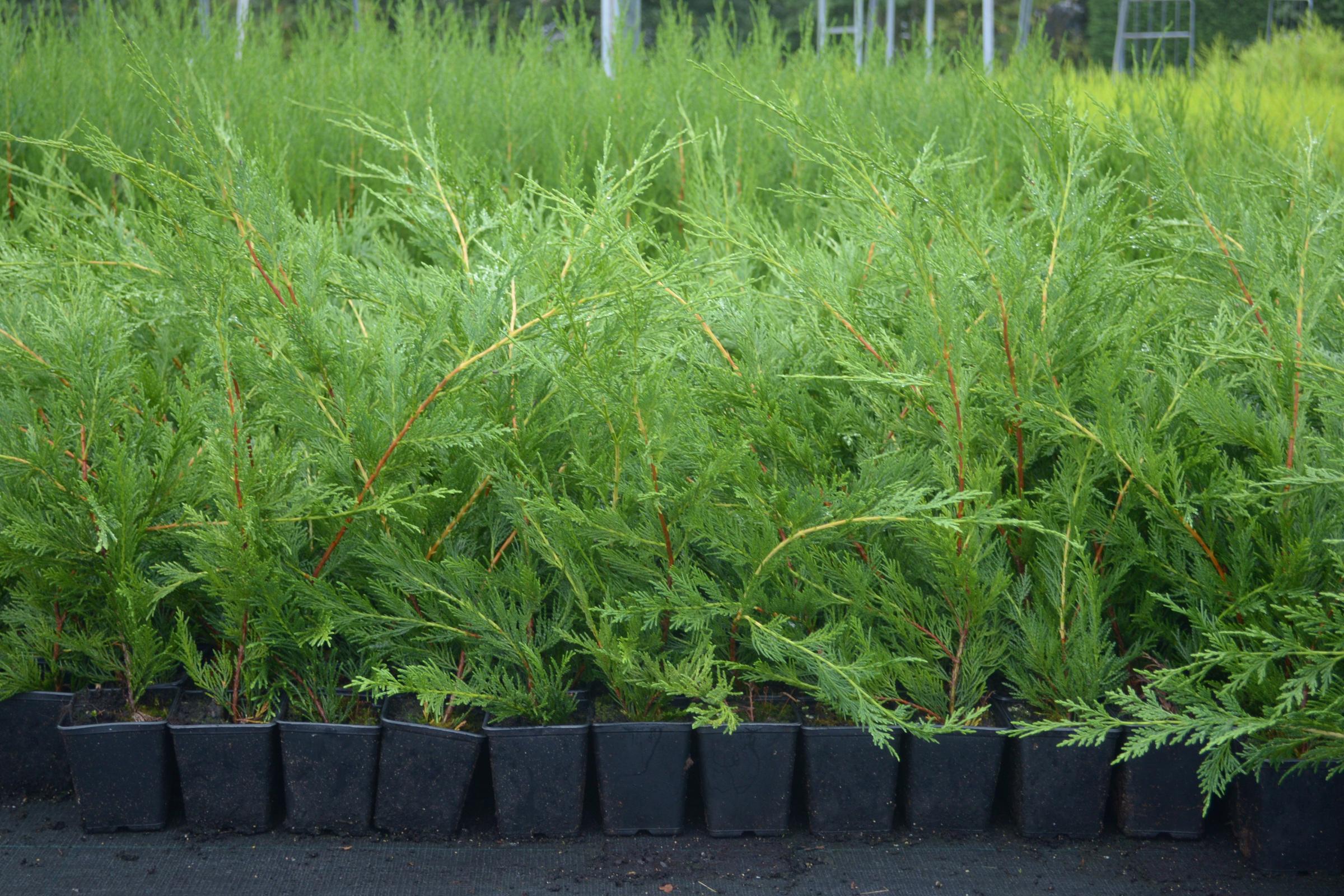
Consider Leylandii only where a large evergreen screen fits the grounds plan and regular trimming is practical. Decide the maintained dimensions before ordering. Its bare old wood will not refill after hard cutting, so it needs steady management rather than occasional drastic reduction.
View plants and sizesMark the working boundaries with the grounds team before deciding which species to plant. Mark playing clearances, spectator routes, equipment access and the views that need to stay open. Then compare the current Garden Hedges range by species, supplied size and quantity, allowing room for the hedge to grow within its agreed dimensions.
Keep the boundary clear of the working ground
Measure the planting line from fixed points and check it against the space used for the sport. Include access for grounds machinery, irrigation equipment and maintenance vehicles. A hedge beside a narrow gate can become a daily obstruction if its future width has not been allowed for.
Look at the spectator side too. Preserve routes between entrances, viewing areas and the clubhouse, and keep signs visible. Where the boundary meets a neighbouring property, plan how both faces will be trimmed without depending on access that the club does not control.
Assess shelter without compromising the layout
On an open ground, consider whether the aim is a visual boundary or planting that offers some shelter as it develops. Hedge density and height affect how wind moves around it, so a solid evergreen wall is not automatically the right answer for every exposed position.
Discuss any planting close to play with the person responsible for the facility’s layout. It should not obstruct the sightlines needed for the sport. Hedges also do not replace required fencing or ball-stop netting; keep those requirements separate from the choice of planting.
Think about the jobs carried out beside the hedge
Ball retrieval, mowing and litter collection are easier to plan before a hedge is planted. Avoid putting spiny plants where staff or players repeatedly reach into the growth. Leave a workable strip where mowing equipment needs to turn, and protect new planting from repeated vehicle overrun.
For golf clubs, distinguish course boundaries from planting close to tees, greens and practice areas. A hedge that suits the clubhouse garden may not suit a line beside active play. Record each location separately so the plant order follows the grounds plan.
Choose a hedge the grounds team can maintain
Compare the future trimming work with the club’s staff time and equipment. Vigorous evergreen hedges need to be kept within their allotted height and width. A cheap starting plant can create more work than expected if the grounds team cannot reach the top or either face.
Add establishment checks to the maintenance diary. Water should reach the newly planted root area during dry spells, and grass competition needs attention along the row. Keep mowing and strimming clear of young stems. Review the hedge after the first season and identify any damaged sections against the original planting plan.
Which hedge makes the best windbreak for a pitch?
A hedge that filters wind is often more useful than a solid barrier, which can create turbulence on the leeward side. Dense, twiggy deciduous species such as common hawthorn slow the wind gradually as it passes through, reducing the gusting that a solid evergreen wall can cause. For a boundary with varied foliage, common hawthorn and English holly can be ordered separately and combined. Green beech is also listed, although its root type is not specified in the current catalogue. Hawthorn loses its leaves in winter, while holly retains evergreen cover. A mixed boundary will filter wind differently as the seasons change, so assess the prevailing wind and the available planting width before deciding on a single or double staggered row. A wider hedge generally offers more scope for branching, but the final width must still fit the grounds layout.
How dense will a hawthorn boundary hedge get?
Common hawthorn (Crataegus monogyna) forms a very dense, thorny barrier once established. At 4 to 5 plants per metre in a single row, or 6 to 7 in a double staggered row, hawthorn can develop a closely branched boundary over several growing seasons. The speed at which gaps close depends on plant size, exposure, moisture and aftercare. Light formative trimming encourages low branching and helps prevent a thin base. Untrimmed hawthorn can eventually exceed 5m, while a hedge maintained at 1.5m to 2.5m can form a substantial, thorny boundary. It should not be treated as stock-proof fencing or a guaranteed security barrier without assessing the site and providing any necessary fencing.
Can you supply bare root packs for volunteers to plant?
Yes. Common hawthorn, privet and box hedging are available as individual bare root plants for planting during the dormant season, roughly November to March. Bare root stock is usually easier to carry around a large ground than equivalent container-grown plants, making it practical for organised volunteer planting days. Hawthorn is supplied at 40/60 and 60/90, privet at 40 to 60cm and 60 to 90cm, and box at 20 to 40cm. Mark the planting line, remove competing weeds and organise the plants by section before volunteers arrive. Keep exposed roots damp and protected from wind, and only distribute as many plants as the team can put into the ground promptly. Allow time for instruction, safe tool use and watering rather than relying on a fixed daily planting target.
Which hedges are safe near livestock or the public?
Safety depends on the species and the location. Common hawthorn is widely used in agricultural boundaries, but its sharp thorns can injure people or animals that push into the growth. Check its suitability for the livestock present rather than assuming every hedgerow species is harmless. Privet has no thorns, making it easier to manage near paths, but its leaves and berries can be toxic if eaten and should not be treated as safe grazing material. Cherry laurel and Portuguese laurel contain compounds that can release cyanide when the leaves are damaged; avoid planting them where livestock graze or where children might handle prunings. English yew is highly toxic to livestock and horses in all parts except the fleshy red aril; do not plant it within reach of grazing animals. For boundaries used by spectators and visitors, assess the risk of contact with thorns, leaves, berries and cuttings. Green beech is available in the current range at 90 to 120cm, although the root type is not specified. Hornbeam is not listed. No hedge should be described as entirely non-toxic or suitable for unrestricted contact without considering the species and how the area is used.
Spacing and quantities for sports ground hedging
The number of plants you need depends on the species, the size of plant supplied and whether you plant a single or double row. Use the table below as a starting guide. Measure each boundary section, deduct gate openings and access gaps, then calculate the total plants required. Order a few extra to replace any losses during establishment.
For a double staggered row, plant the two lines 30cm to 40cm apart and offset the plants so they alternate. This gives a thicker hedge more quickly and is worth the extra cost on exposed sites where wind protection matters.
| Species | Supplied size | Root type | Plants per metre (single row) | Plants for 10m (single row) | Plants for 20m (single row) |
|---|---|---|---|---|---|
| Common hawthorn | 40/60cm | Bare root | 4 to 5 | 40 to 50 | 80 to 100 |
| Common hawthorn | 60/90cm | Bare root | 4 to 5 | 40 to 50 | 80 to 100 |
| Privet | 40-60cm | Bare root | 4 to 5 | 40 to 50 | 80 to 100 |
| Privet | 60-90cm | Bare root | 3 to 4 | 30 to 40 | 60 to 80 |
| Cherry laurel | 40-60cm | 9cm pot | 2 to 3 | 20 to 30 | 40 to 60 |
| Cherry laurel | 60-90cm | 2 litre pot | 2 | 20 | 40 |
| Cherry laurel | 90-120cm | 2 litre pot | 1.5 to 2 | 15 to 20 | 30 to 40 |
| Portuguese laurel | 40-60cm | 9cm pot | 2 to 3 | 20 to 30 | 40 to 60 |
| Portuguese laurel | 60-90cm | 2 litre pot | 2 | 20 | 40 |
| English yew | 20-40cm | Potted | 3 to 4 | 30 to 40 | 60 to 80 |
| English yew | 40-60cm | Bare root | 3 to 4 | 30 to 40 | 60 to 80 |
| English yew | 60-80cm | Rootball | 2 to 3 | 20 to 30 | 40 to 60 |
| English yew | 80-100cm | Rootball | 2 | 20 | 40 |
| Green Leylandii (pot grown) | 40-60cm | 9cm pot | 2 to 3 | 20 to 30 | 40 to 60 |
| Green Leylandii (pot grown) | 60-90cm | 2 litre pot | 2 | 20 | 40 |
| Green Leylandii (pot grown) | 90-120cm | 2 litre pot | 1.5 to 2 | 15 to 20 | 30 to 40 |
| Green Leylandii (pot grown) | 120-150cm | 5 litre pot | 1 to 1.5 | 10 to 15 | 20 to 30 |
| Green Leylandii (bare root) | 40-60cm | Bare root | 3 | 30 | 60 |
| Green Leylandii (bare root) | 60-90cm | Bare root | 2 to 3 | 20 to 30 | 40 to 60 |
| Green Leylandii (bare root) | 3-4ft | Bare root | 2 | 20 | 40 |
| English holly | 30-40cm | 9cm pot | 3 to 4 | 30 to 40 | 60 to 80 |
| English holly | 40-60cm | 9cm pot | 3 | 30 | 60 |
| English holly | 60-80cm | 9cm pot | 2 to 3 | 20 to 30 | 40 to 60 |
Planting and establishment calendar
Timing the planting and aftercare around the sports calendar avoids clashes with busy periods on the ground. The table below sets out the key jobs month by month for a typical bare root or rootball hedge planted in the dormant season. Adjust for container-grown plants, which can be planted at any time the ground is workable, provided you can water them through their first summer.
| Month | Task |
|---|---|
| November to February | Plant bare root and rootball hedging while plants are dormant. Prepare ground in advance: clear weeds, improve drainage if needed, incorporate organic matter. |
| March | Finish bare root planting before buds break. Apply a mulch layer along the row to conserve moisture and suppress weeds. Check rabbit guards if the ground has a rabbit population. |
| April to May | Water new container plants regularly if the weather is dry. Check ties and stakes on rootball plants. First light trim of evergreen hedges if growth is strong. |
| June to August | Keep the planting strip weed-free by hand or with careful hoeing. Water deeply during prolonged dry spells, especially for plants in their first year. Trim fast-growing hedges such as Leylandii and laurel as needed to keep shape. |
| September to October | Final trim of the season for most hedges. Check for any dead or damaged plants and mark them for replacement in the dormant season. Clear fallen leaves from the base of the hedge. |
Comparing common choices for sports ground boundaries
Compare hawthorn where a thorny, deciduous boundary is acceptable, privet where regular clipping can keep a tidy outline, and cherry laurel or Green Leylandii where evergreen screening is needed. The table brings together typical growth, maintained heights and safety considerations. Check the proposed position against the playing clearances and machinery routes before choosing from the supplied sizes.
| Species | Evergreen or deciduous | Typical maintained height | Growth per year | Thorns | Toxicity note | Best for |
|---|---|---|---|---|---|---|
| Common hawthorn | Deciduous | 1.5m to 3m | 40 to 60cm | Yes | Non-toxic to livestock | Stock-proof boundary, windbreak, wildlife |
| Privet | Semi-evergreen | 1.5m to 3m | 30 to 60cm | No | Berries mildly toxic if eaten | Formal boundary, public areas, easy trimming |
| Cherry laurel | Evergreen | 1.5m to 4m | 30 to 60cm | No | Leaves contain cyanogenic compounds; avoid near livestock | Screening, non-playing areas, shade tolerance |
| Portuguese laurel | Evergreen | 1.5m to 3m | 30 to 45cm | No | Leaves contain cyanogenic compounds; avoid near livestock | Tighter form than cherry laurel, formal or informal |
| English yew | Evergreen | 1m to 3m | 20 to 30cm | No | Highly toxic to livestock and horses; all parts except red aril | Formal hedging, long-lived, shade tolerant |
| Green Leylandii | Evergreen | 2m to 5m plus | 60 to 90cm | No | Non-toxic, but sap can irritate skin | Tall screening, rapid cover, needs regular trimming |
| English holly | Evergreen | 1.5m to 3m | 20 to 40cm | Yes (leaves) | Berries toxic if eaten | Security, ornamental, winter interest |
Questions about sports grounds & clubs
Which hedging is best for a sports club boundary?
There is no single choice for every ground. Compare the soil, exposure and available width with the intended height and the grounds team’s maintenance capacity. Common hawthorn makes a dense, stock-proof boundary and filters wind well. Privet is a reliable semi-evergreen for public-facing areas. Cherry laurel screens quickly but needs width and is not suitable near livestock. Keep the proposed planting clear of the playing area and leave access to inspect and trim the boundary.
Can a hedge stop balls leaving the ground?
Do not rely on it for that purpose. A hedge changes as it grows and is trimmed, and gaps can develop. Any required ball-stop fencing or netting should be specified separately by the people responsible for the facility and the sport. Choose the hedge for its landscape role.
Are spiny plants suitable beside playing areas?
Consider how that edge will be used. A location where people retrieve balls, collect litter or pass close to foliage needs particular care. Common hawthorn and English holly have sharp thorns or prickly leaves and are best kept away from areas where players or spectators regularly reach into the growth. Keep the species choice and planting position in the grounds plan, rather than assuming a spiny hedge is appropriate for every perimeter.
How can we order for several separate boundaries?
Measure each section, deduct gates and access gaps, and use the spacing agreed for the chosen plant and size. Keep the quantities and plan references together. Check the current product options and minimum orders, then make sure watering and maintenance can reach every new run.
When is the best time to plant a sports ground hedge?
Bare root and rootball plants are planted in the dormant season, roughly November to March, when the ground is not frozen or waterlogged. This is the most cost-effective way to plant long runs. Container-grown plants can be planted at any time of year, provided you can water them consistently through their first growing season. Schedule planting to avoid busy periods on the ground, such as the main playing season, so the new hedge has a quiet start.
How do we keep a newly planted hedge alive through the first summer?
Water is the single most important factor. New roots are shallow and cannot reach deep moisture. Water thoroughly once or twice a week during dry spells, giving enough to soak down to the root depth. A mulch of bark or compost along the row helps retain moisture and suppress weeds. Keep grass and weeds clear for at least 30cm either side of the plants, and protect young stems from strimmer damage with guards or careful hand weeding.