Prunus lusitanica
£3.60 per plant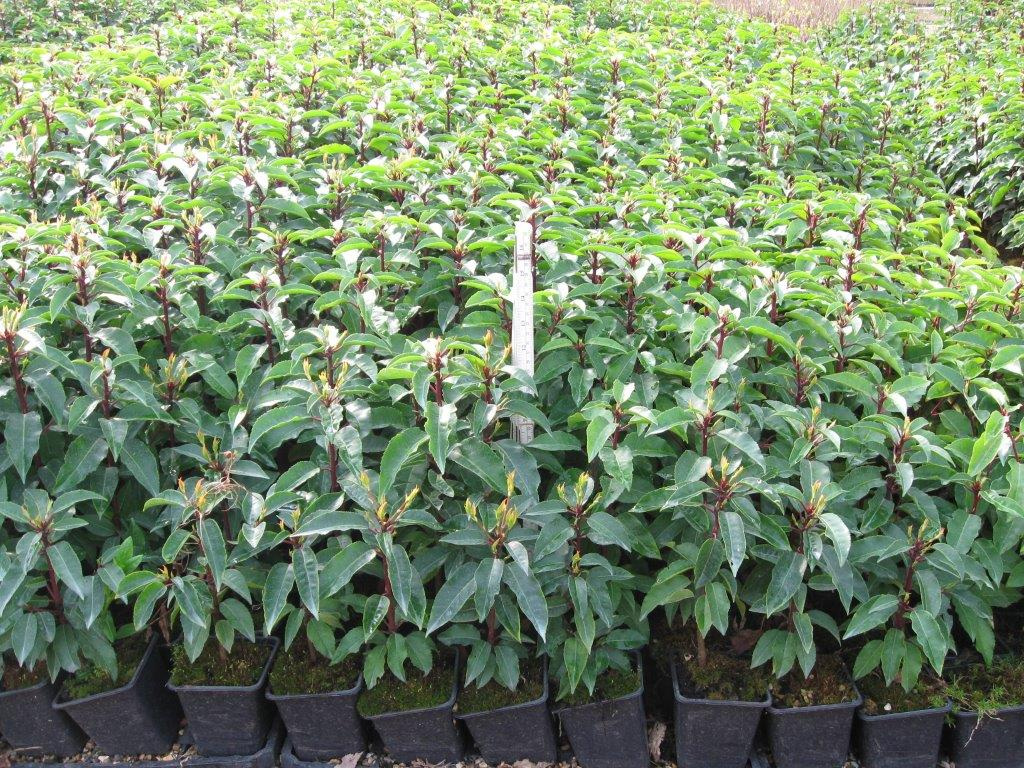
- UK Nursery Grown
- Planting Advice
Portuguese Laurel Hedge (Prunus lusitanica) Plants
Prunus lusitanica
£3.60 per plant
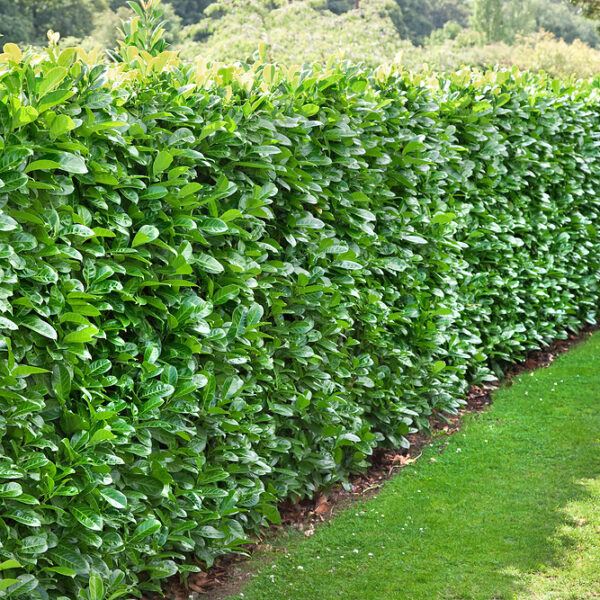
Portuguese laurel makes a dense evergreen hedge with glossy, pointed leaves and reddish young stems. Its leaves are smaller than those of cherry laurel, giving clipped boundaries a finer, neater outline. It grows in sun or partial shade, tolerates chalky soil with good drainage and can be kept at a practical height with regular trimming.
- Smaller leaves for a finer clipped finish
- Reddish young stems contrast with dark green leaves
- Tolerates chalky soil where drainage is good
Step 1: Choose Your Root Type
Pot-grown plants, supplied in the pot size shown for each option. Plant at any time of year when the ground is workable. Ask about this plant
Understanding root types
- Bare root
- Lifted with little or no soil around the roots. Keep the roots moist and plant during the dormant season.
- Rootball
- Supplied with soil around the roots. Handle the rootball carefully and follow its planting instructions.
- Potted
- Grown in a nursery container. The pot size and supplied height are shown with each plant option.
Step 2: Choose Your Plant
Need help with your planting?Ask about sizes, root types and quantities
Position
Sun or partial shade
Soil
Moist, well-drained; tolerates chalk
Supplied size
40-60cm, 9cm pot
Ordering
Minimum order 10
Description
Portuguese Laurel Hedge (Prunus lusitanica) Plants
What is Portuguese laurel?
Portuguese laurel (Prunus lusitanica) has glossy, pointed evergreen leaves and reddish young shoots that stand out against the darker mature foliage. Its naturally dense, branching growth makes it particularly suited to formal hedging. Without pruning, it can develop into a large shrub or small tree. Clipping once or twice a year keeps the growth compact and the outline tidy.
Compared with cherry laurel, the smaller leaves create a finer finish when the hedge is closely clipped. In early summer, plants left to flower produce slender spikes of fragrant white blooms, followed by small, dark fruits. Regularly trimmed hedges may flower less freely, particularly when new shoots are cut back before the buds open. Most gardeners choose Portuguese laurel for its evergreen foliage and neat shape.
Why choose a Portuguese laurel hedge?
Portuguese laurel hedging provides privacy throughout the year, with smaller leaves that produce a particularly neat finish after clipping. Its dark green foliage stays in place through winter, maintaining a leafy boundary when deciduous hedges are bare. Fresh reddish stems bring a gentle change of colour as new growth appears.
Its tolerance of chalky soil makes it useful in gardens where other evergreen hedges may struggle, provided drainage is good. Once established, the dense foliage offers shelter from wind and helps soften noise from nearby roads or neighbouring gardens. An annual trim, with another light cut if needed, keeps the hedge within your chosen height and width.
Eventual height, spread and growth rate
An untrimmed Portuguese laurel hedge can reach 3 to 5 metres in height, although regular pruning can maintain a formal hedge at around 1.5 to 2.5 metres. Individual plants may spread 2 to 3 metres if allowed to grow freely. When planning your hedge, allow enough room for its mature width and choose your planting distance according to how quickly you want the gaps to close.
Once established, Portuguese laurel typically puts on around 30 to 45cm of growth each year in suitable conditions. Newly planted shrubs often grow more slowly during their first season as roots spread into the surrounding soil. Watering through dry spells, keeping weeds away from the base and feeding in spring will help encourage steady growth.
Using Portuguese laurel in your garden
Plant a Portuguese laurel hedge along a boundary, behind a mixed flower border or around a seating area where year-round screening is needed. The small, glossy leaves clip neatly into straight sides and a level top, suiting traditional garden layouts as well as simpler contemporary designs.
Portuguese laurel is also useful for filling gaps in existing evergreen hedges, provided there is enough light and room for the roots to establish. Choose a position with well-drained soil and allow space to reach both sides for trimming. The leaves and fruits are poisonous if eaten, so avoid planting where livestock graze and make sure pets cannot reach discarded clippings.
Choosing a size
Our Portuguese laurel plants come in two sizes: 40-60cm plants in 9cm pots and 60-90cm plants in 2 litre pots. The smaller size suits longer hedges where keeping the initial cost down matters. The taller plants provide more height from planting and are a useful choice when you want the boundary to fill in sooner.
Both sizes are sold individually, with a minimum order of 10 plants per size. As they are pot-grown, you can plant throughout the year when the ground is workable, avoiding frozen or waterlogged conditions. Spring and autumn usually offer the easiest conditions for establishment.
| Option | Supplied size | Pot type | Best for | Plants per metre |
|---|---|---|---|---|
| 40-60cm | 40-60cm | 9cm pot | Lower-cost option for longer hedges | 3 to 4 |
| 60-90cm | 60-90cm | 2 litre pot | Taller starting hedge, earlier screening | 2 to 3 |
Planting and care
Planting and aftercare
When and how to plant
You can plant pot-grown Portuguese laurel throughout the year, provided the ground is neither frozen nor waterlogged. Spring and autumn are particularly good times, as cooler weather and naturally moist soil help reduce the need for frequent watering while new roots establish.
Clear weeds and grass from a strip at least 60cm wide. Dig a trench or separate planting holes wider than the pots and deep enough for the top of each rootball to sit level with the surrounding soil. Water the plants before carefully removing their pots, then position them at their original growing depth. Replace the soil around the roots, firm it gently and water thoroughly. Finish with a layer of mulch to hold moisture in the soil and limit weed growth, keeping it away from the stems.
Spacing and quantities
For a single-row hedge, allow 3 to 4 of the 40-60cm plants per metre, or 2 to 3 of the larger 60-90cm plants. Closer spacing helps the foliage meet sooner. For a thicker boundary, plant a staggered double row with the rows 30 to 40cm apart and the plants offset, allowing enough space for the hedge to develop without becoming overcrowded.
The quantities below show how many plants you will need for 5, 10 or 20 metres of single-row hedging at each spacing.
| Hedge length | 40-60cm (3 per m) | 40-60cm (4 per m) | 60-90cm (2 per m) | 60-90cm (3 per m) |
|---|---|---|---|---|
| 5 metres | 15 | 20 | 10 | 15 |
| 10 metres | 30 | 40 | 20 | 30 |
| 20 metres | 60 | 80 | 40 | 60 |
Watering and feeding
Water newly planted Portuguese laurel regularly through its first growing season, particularly during dry weather. Check the soil a few centimetres down before watering; the root area should remain moist without becoming waterlogged. Evergreen leaves continue to lose moisture in winter, so check younger hedges during prolonged dry or windy spells, even when the weather feels cool.
Apply a general-purpose shrub fertiliser or slow-release granular feed in early spring, following the pack instructions. A light second feed in early summer can help maintain steady growth if the soil is poor or the plants need it. Stop feeding after August to avoid encouraging soft new shoots that may be damaged by winter frost.
Trimming calendar
Portuguese laurel usually needs one or two trims each year. Cut back the first flush of new growth in late spring or early summer to restore the hedge's shape. If fresh shoots make the outline uneven again, give it a lighter trim in late summer or early autumn before growth slows for winter.
Check carefully for active birds' nests before trimming, especially during the main nesting season from March to August. Do not disturb an active nest. Use sharp shears or a hedge trimmer, keeping the base slightly wider than the top so sunlight can reach the lower branches. This helps prevent bare patches developing near the ground. Gather up the cut leaves and shoots afterwards, as they break down slowly and are poisonous if eaten.
Toxicity and safety note
All parts of Portuguese laurel are poisonous if eaten, particularly the leaves and fruits. They contain cyanogenic compounds that can cause serious poisoning in humans and animals. Wear gloves when handling cut foliage and collect all clippings for safe disposal, out of reach of pets and livestock. Avoid planting this hedge beside grazing areas where animals might eat the leaves.
Which laurel should I choose? Compare evergreen garden hedges Prepare and plant a hedge
Read our planting guideFurther growing advice: RHS plant and growing guidance
Sizes and prices
Portuguese laurel sizes, prices and minimum orders
| Option | Supplied height | Pot or root | Plants | Price | Minimum order | Availability |
|---|---|---|---|---|---|---|
| 40-60cm | 9cm pot | 1 plant | 40-60cm | 9cm pot | 1 | £3.60 per plant | 10 | Unavailable |
| 60-90cm | 2 litre pot | 1 plant | 60-90cm | 2 litre pot | 1 | £6.99 per plant | 10 | Unavailable |
The price is for the selected plant or pack. Pack size tells you how many plants are included, and the minimum order is the smallest quantity we can send.
Plant sizes and quantities explainedDelivery
Delivery for your plant order
Delivery options and charges are shown in your basket and confirmed before you place your order.
Plants are living products. Unpack promptly after delivery, check moisture around the roots and keep them in a sheltered spot until you can plant.
Delivery informationPlant questions
Before you order
How many 40-60cm Portuguese laurel plants do I need per metre?
Allow 3 to 4 plants per metre when using the 40-60cm size in a single row. Planting 4 per metre closes the gaps sooner, although you will need to buy more plants. For a staggered double row, allow 6 to 8 plants per metre in total, with the two rows offset. Choose your spacing according to the hedge width you can accommodate and how quickly you want the foliage to meet.
How fast does a Portuguese laurel hedge grow?
An established Portuguese laurel hedge typically grows around 30 to 45cm a year, depending on soil, light and growing conditions. Smaller, newly planted shrubs often make less height in their first season while their roots establish. Prepare the soil well, keep young plants watered during dry spells and feed in spring to encourage healthy growth. Shadier positions and poorer soils generally produce slower results.
What are the disadvantages of Portuguese laurel?
The main drawbacks are its poisonous foliage and fruit, its need for regular trimming and its dislike of waterlogged soil. Do not plant it where livestock graze, and keep fallen leaves and pruning waste away from pets. An established hedge usually needs cutting once or twice a year, otherwise it can grow into a large shrub or small tree. Collect the clippings after pruning, as the leathery leaves take time to break down. Heavy clay can also cause problems where water sits around the roots.
Is Portuguese laurel good for a hedge?
Yes. Portuguese laurel is particularly well suited to formal hedges because its small, glossy leaves create a tidy outline when clipped. Young reddish stems stand out against the darker green foliage, and the dense evergreen growth provides privacy and shelter throughout the year. It also tolerates chalky soils where drainage is good. Pruning once or twice a year will help keep the hedge compact and evenly shaped.
Do Portuguese laurels prefer sun or shade?
Portuguese laurel grows best in full sun or partial shade. It will tolerate some shade, although the hedge may develop more slowly and become less dense where light is limited. Morning sun with afternoon shade is a good position, as is a spot receiving dappled light beneath an open tree canopy. Avoid deep, dry shade, especially where established tree roots compete for moisture.
When to prune Portuguese laurel?
Prune Portuguese laurel hedges in late spring or early summer, after the main flush of new growth. A second, lighter trim in late summer or early autumn keeps the hedge tidy through winter. Always check for nesting birds before cutting, especially between March and August. Use sharp tools to avoid tearing the leaves, and shape the hedge slightly wider at the base so light reaches the lower branches.
Ask a plant question