Ilex aquifolium
£2.75 per plant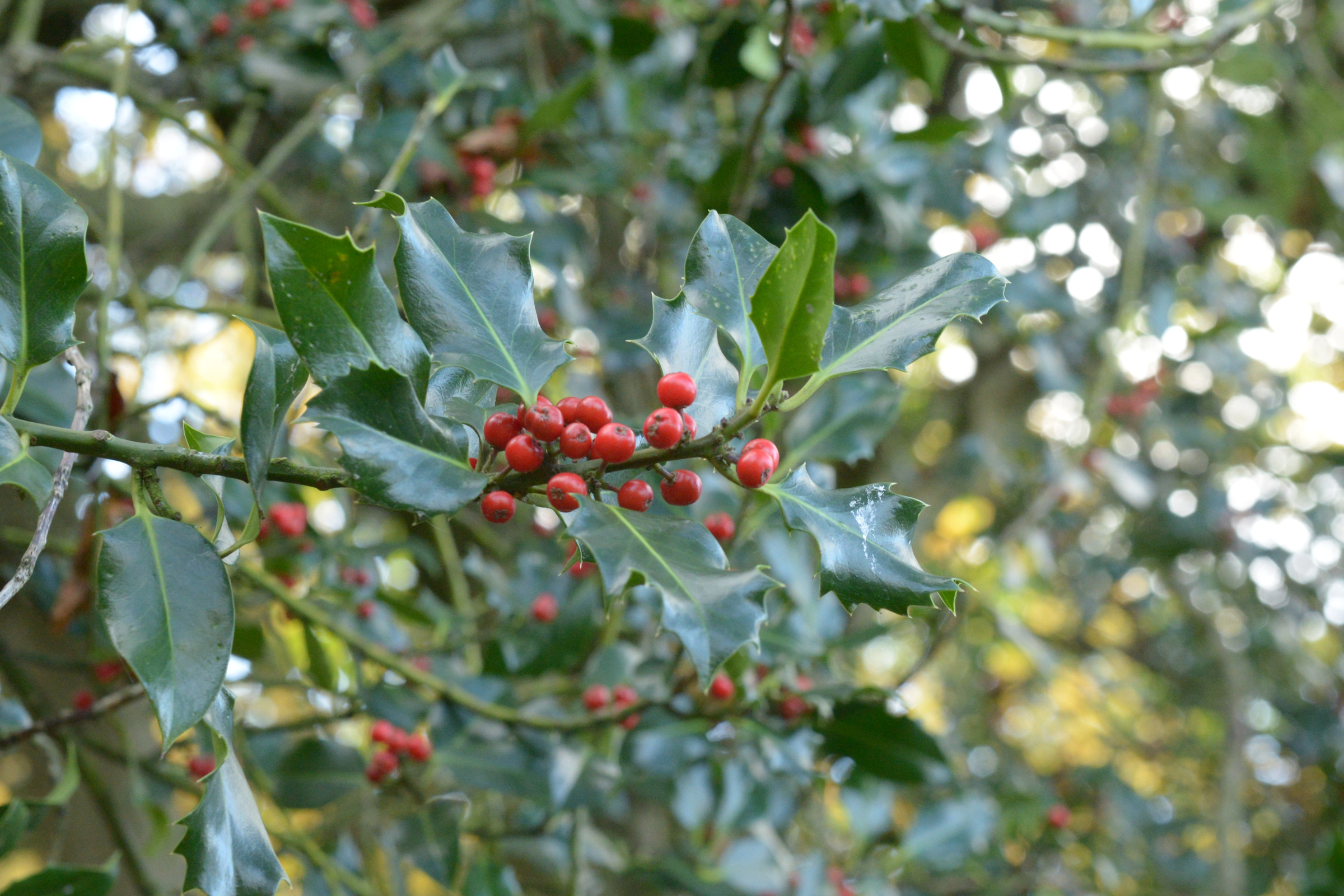
- UK Nursery Grown
- Planting Advice
English Holly Hedge Plants (Ilex aquifolium)
Ilex aquifolium
£2.75 per plant
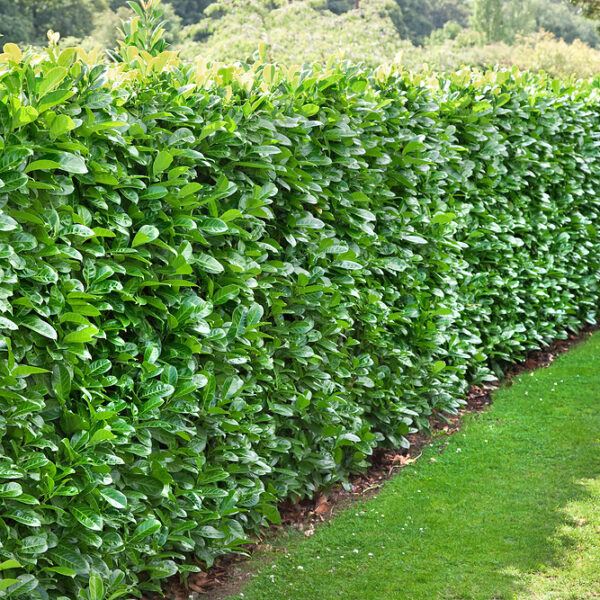
English holly has dark, glossy evergreen leaves with prickly edges and grows into a dense, sturdy hedge. Its thick foliage provides year-round cover for garden birds and gives boundaries a well-defined shape. These pot-grown holly hedge plants can be clipped into a neat formal screen or allowed to grow into a broader, more natural hedge. Minimum order 10 plants.
- Glossy, spiny evergreen leaves
- Dense boundary hedge
- Shelter for birds and wildlife
Step 1: Choose Your Root Type
Pot-grown plants, supplied in the pot size shown for each option. Plant at any time of year when the ground is workable. Ask about this plant
Understanding root types
- Bare root
- Lifted with little or no soil around the roots. Keep the roots moist and plant during the dormant season.
- Rootball
- Supplied with soil around the roots. Handle the rootball carefully and follow its planting instructions.
- Potted
- Grown in a nursery container. The pot size and supplied height are shown with each plant option.
Step 2: Choose Your Plant
Need help with your planting?Ask about sizes, root types and quantities
Position
Sun or partial shade
Soil
Moist but well-drained soil
Supplied size
30-40cm, 9cm pot
Ordering
Minimum order 10
Description
English Holly Hedge Plants (Ilex aquifolium)
A dense native evergreen hedge
English holly (Ilex aquifolium) is a native evergreen that holds its dark, glossy leaves through every season. Its closely spaced branches and prickly leaves gradually form a thick boundary, with sheltered places among the foliage where birds can roost and nest. Holly can be clipped into a crisp formal line or left to develop a softer, more natural outline where space allows.
Young holly plants put on height gradually, usually growing more slowly than Leylandii. With time and regular trimming, they develop the dense evergreen growth needed for a well-shaped hedge. Taller plants give you more height from the outset, although every size needs careful watering while its roots settle into the surrounding soil.
Why choose English holly for hedging
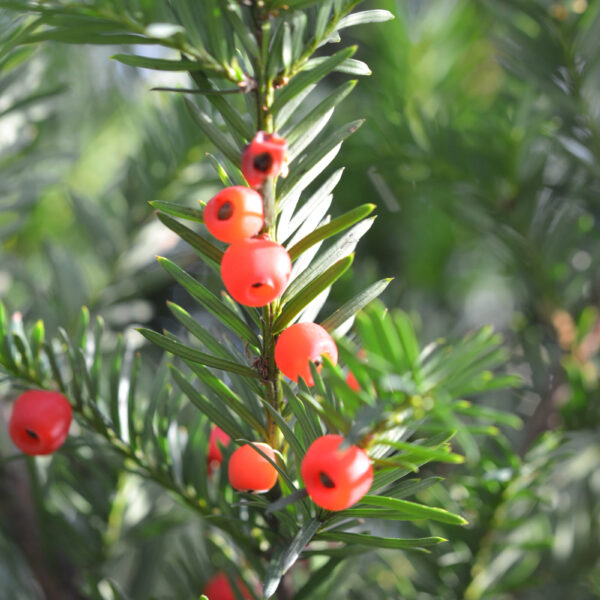
English holly hedging plants have stiff, prickly leaves that can discourage people from pushing through a boundary. As the branches thicken, the hedge also provides shelter from wind and nesting cover for garden birds. Its native foliage stays green throughout winter, when many other hedges are bare. Female holly plants can produce bright red berries from autumn into winter if their flowers are pollinated by a male plant nearby. Berry production depends on the sex and maturity of the plants, so grow holly primarily for its evergreen foliage rather than expecting berries on every plant.
Height, spread and growth rate
You can maintain an established English holly hedge at around 1.2m to 4m tall with regular trimming. An unclipped plant may eventually reach 10m or more over many decades, so allow enough room for its mature growth. Once established, holly typically adds around 15 to 30cm a year, depending on soil, moisture and growing conditions. Individual plants can spread to around 4m if left alone, but clipping the sides each year keeps a hedge at a manageable width.
Using holly in the garden
Plant holly hedge plants along a boundary, beneath a window where prickly foliage is useful, or beside an exposed part of the garden where a thick hedge can help slow the wind. You can also grow individual plants as evergreen shrubs among other border planting. Because the leaves are prickly, avoid planting immediately beside narrow paths or where children play. Wear gloves when handling or trimming, and keep clippings cleared away.
For a dense, even hedge, follow the single-row planting distances below. If you have room for a wider hedge, a staggered double row helps the foliage fill out across a greater depth.
Choosing a size
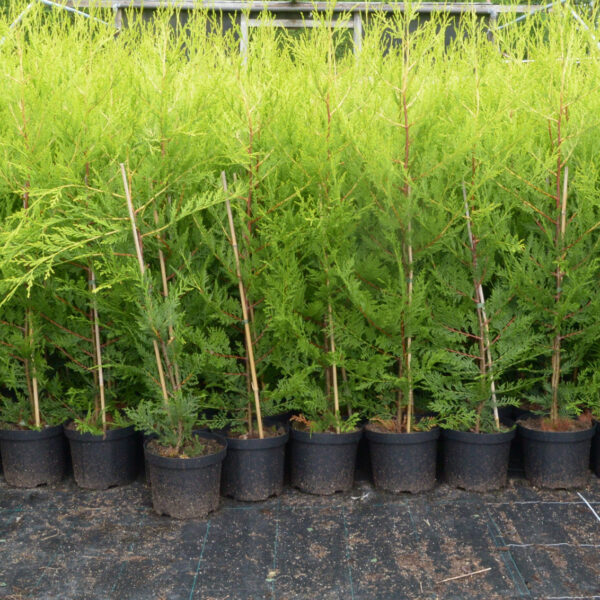
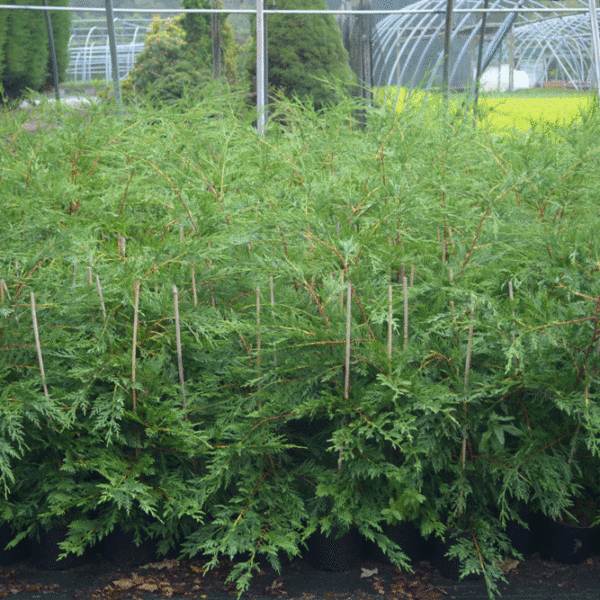
Our English holly plants come in 9cm pots, with three heights available: 30-40cm, 40-60cm and 60-80cm. Smaller plants are useful when planting a long stretch of new hedge, while taller plants provide more height straight away. All three sizes are supplied pot-grown, ready for planting into prepared soil. Minimum order is 10 plants per size.
Compare the starting heights and suggested planting densities below to work out which size suits your hedge.
| Option | Supplied size | Pot type | Best for | Plants per metre (single row) |
|---|---|---|---|---|
| 30-40cm | 30-40cm | 9cm pot | Starting a new hedge with smaller plants | 4 to 5 |
| 40-60cm | 40-60cm | 9cm pot | Mid-height plants for a new boundary | 3 to 4 |
| 60-80cm | 60-80cm | 9cm pot | Extra starting height or filling gaps | 2 to 3 |
Leaves, flowers and berries
English holly produces small, creamy-white flowers in spring. On female plants, these may develop into red berries if a compatible male holly is flowering nearby. Male plants do not produce berries, and fruiting also depends on plant maturity and growing conditions. The dark green, glossy leaves, usually edged with sharp spines, remain on the branches throughout the year. Holly grows well in sun or partial shade, in moist but well-drained soil. The berries are ornamental and must not be eaten.
Planting and care
Planting and aftercare
When and how to plant
You can plant pot-grown holly hedge plants throughout the year, provided the ground is not frozen or waterlogged. Autumn and spring are particularly suitable because the soil is generally moist. Clear weeds from a strip at least 60cm wide, then water each pot thoroughly. Take the plant out of its pot and place the rootball in the planting hole with its surface level with the surrounding soil. Backfill, firm the soil gently around the roots and water thoroughly to settle the soil.
Spacing and quantities
For a single row, allow 4 to 5 plants per metre at 30-40cm, 3 to 4 at 40-60cm, or 2 to 3 at 60-80cm. For a thicker hedge, plant two staggered rows 30 to 40cm apart, positioning the plants in one row between those in the other. The quantities below cover common hedge lengths using 5, 4 or 3 plants per metre respectively.
| Hedge length | 30-40cm plants (5 per m) | 40-60cm plants (4 per m) | 60-80cm plants (3 per m) |
|---|---|---|---|
| 5 metres | 25 | 20 | 15 |
| 10 metres | 50 | 40 | 30 |
| 20 metres | 100 | 80 | 60 |
Watering and feeding
Water regularly throughout the first full growing season, checking that moisture reaches the roots rather than just wetting the soil surface. Holly foliage can shed rain away from the base of the plants, so check the soil during dry spells even after light showers. Spread a 5 to 7cm layer of organic mulch over the planting strip, leaving a clear gap around each stem. If feeding is needed, apply a balanced slow-release fertiliser or a handful of fish, blood and bone per plant in early spring, following the product instructions.
Trimming calendar
Give a formal holly hedge its main trim in late summer (August to September), once the strongest flush of growth has slowed. Cut back new shoots to maintain the outline, keeping the base slightly wider than the top so light reaches the lower branches. Check carefully for nesting birds before starting and leave any occupied nests undisturbed. Wear sturdy gloves and long sleeves when cutting or collecting the prickly foliage. Holly berries are toxic if eaten, so remove clippings and fallen berries from places where children or pets play.
Compare evergreen garden hedges Choose a hedge for your garden Watering and hedge aftercare
Read our planting guideFurther growing advice: RHS plant and growing guidance
Sizes and prices
English holly hedging sizes, prices and minimum orders
| Option | Supplied height | Pot or root | Plants | Price | Minimum order | Availability |
|---|---|---|---|---|---|---|
| 30-40cm | 9cm pot | 1 plant | 30-40cm | 9cm pot | 1 | £2.75 per plant | 10 | Available |
| 40-60cm | 9cm pot | 1 plant | 40-60cm | 9cm pot | 1 | £3.50 per plant | 10 | Unavailable |
| 60-80cm | 9cm pot | 1 plant | 60-80cm | 9cm pot | 1 | £4.75 per plant | 10 | Unavailable |
The price is for the selected plant or pack. Pack size tells you how many plants are included, and the minimum order is the smallest quantity we can send.
Plant sizes and quantities explainedDelivery
Delivery for your plant order
Delivery options and charges are shown in your basket and confirmed before you place your order.
Plants are living products. Unpack promptly after delivery, check moisture around the roots and keep them in a sheltered spot until you can plant.
Delivery informationPlant questions
Before you order
How many 30-40cm holly hedging plants do I need per metre?
For a single-row hedge, plant 4 to 5 plants per metre. At this spacing, the young branches have room to develop while gradually closing the gaps between plants. For a wider, thicker screen, plant a staggered double row, keeping the same spacing along each row and leaving about 30 to 40cm between the rows.
How quickly do holly hedges grow?
English holly grows relatively slowly when young. Once its roots are established, you can usually expect around 15 to 30cm of new growth each year, depending on soil and growing conditions. Moist, well-drained soil and partial shade generally suit it well. Allow several years for the branches to fill out into a mature hedge, trimming as needed to encourage dense growth from the base.
Which type of holly plant is best for hedging?
Ilex aquifolium (English holly) is a traditional hedging species with dark green, prickly leaves and dense evergreen growth. It responds well to trimming, grows in partial shade and offers shelter for birds. Its glossy foliage provides year-round cover, while berries develop only on pollinated female plants. If berries are important to you, bear in mind that plant sex, maturity and the presence of a suitable male pollinator all affect fruiting.
What is the best time of year to plant a holly bush?
Pot-grown holly plants can go into the ground throughout the year when conditions allow. Autumn (September to October) and spring (March to April) are particularly good planting periods because the soil usually has enough moisture for root growth. Avoid frozen or waterlogged ground. Water each plant thoroughly after planting, then check the soil regularly and water during dry spells throughout the first year.
Can you use holly as a hedge?
Yes. English holly forms a dense evergreen hedge with stiff, spiny leaves that help discourage access through a boundary. It also handles regular clipping well. For a single row, allow 3 to 5 plants per metre depending on the starting size, with 2 to 3 per metre suitable for the tallest plants. A staggered double row creates a wider hedge. Trim in late summer to keep the growth tidy.
Does holly grow in the shade?
Holly grows well in partial shade and can tolerate deeper shade, although it may grow more slowly and produce thinner foliage where very little light reaches the leaves. Flowering and berry production can also be reduced in heavily shaded positions. A position with dappled light, or morning sun followed by afternoon shade, generally encourages healthy, dense growth.
Ask a plant question