Ligustrum ovalifolium
£1.50 per plant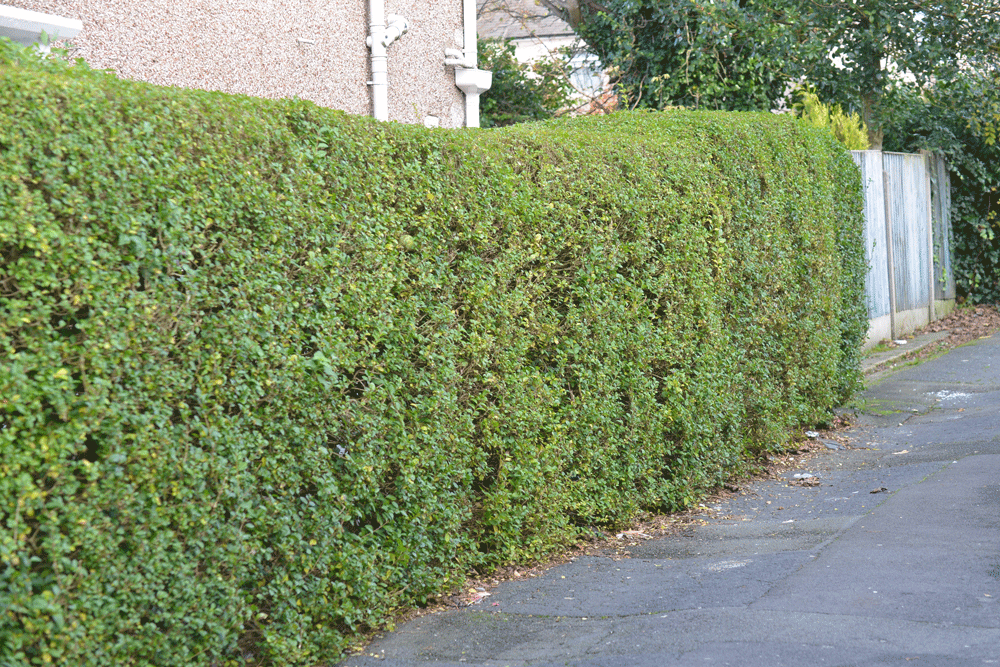
- UK Nursery Grown
- Planting Advice
Privet Hedge Plants (Ligustrum ovalifolium)
Ligustrum ovalifolium
£1.50 per plant
Privet hedging forms a dense screen of fine branches and small, oval green leaves. It takes regular clipping well, making it a good choice for tidy front boundaries, paths and formal gardens. Privet is semi-evergreen, keeping much of its foliage through mild winters but losing more leaves in cold or exposed positions. Our bare root privet plants come in two heights, 40 to 60cm and 60 to 90cm.
- Dense, fine-branched formal hedge
- Small green leaves, clips neatly
- Semi-evergreen, holds leaves in mild winters
Step 1: Choose Your Root Type
Bare-root plants are lifted and sent in the dormant season, roughly November to March. Plant promptly and keep the roots moist. Ask about this plant
Understanding root types
- Bare root
- Lifted with little or no soil around the roots. Keep the roots moist and plant during the dormant season.
- Rootball
- Supplied with soil around the roots. Handle the rootball carefully and follow its planting instructions.
- Potted
- Grown in a nursery container. The pot size and supplied height are shown with each plant option.
Step 2: Choose Your Plant
Need help with your planting?Ask about sizes, root types and quantities
Position
Sun or partial shade
Soil
Well-drained soil
Supplied size
40-60cm, Bare root
Ordering
Minimum order 10
Description
Privet Hedge Plants (Ligustrum ovalifolium)
What is a privet hedge?
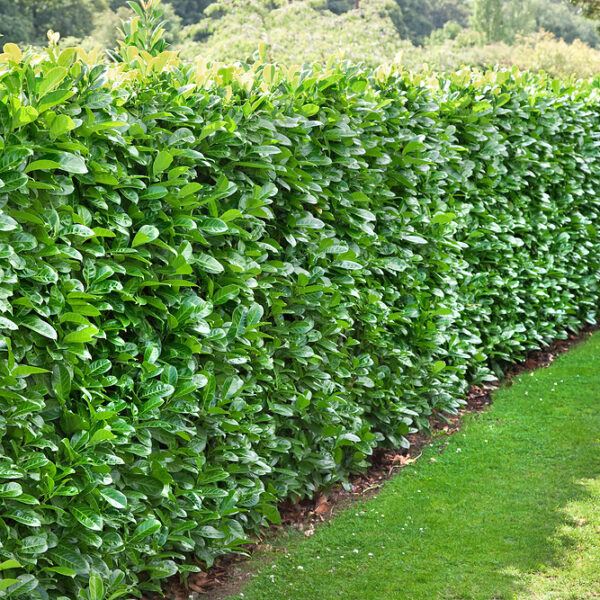
Privet (Ligustrum ovalifolium) is a familiar sight in British front gardens, where its fine branches and small, oval leaves form neatly clipped boundaries. The closely spaced twigs help create a thick hedge, particularly when young plants are trimmed regularly to encourage branching. Compared with the broad, glossy leaves of cherry laurel, privet has a finer texture that suits narrow paths, low boundaries and traditional garden layouts.
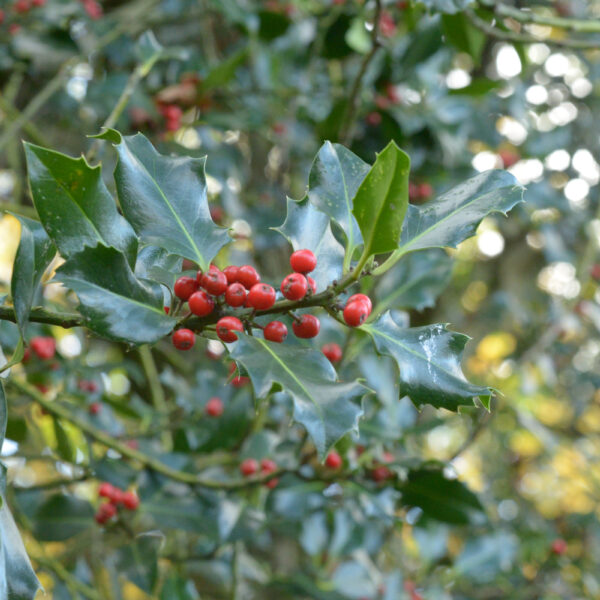
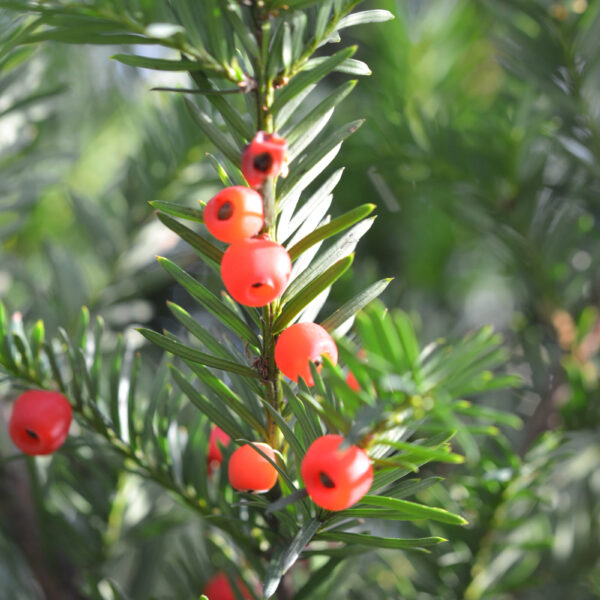
Privet is semi-evergreen, retaining much of its foliage in mild winters. Cold winds and hard frosts can cause considerable leaf drop, especially in exposed gardens. For screening that remains consistently green through winter, English yew, English holly and cherry laurel are alternatives to consider.
Why choose a privet hedge?
Privet takes repeated trimming well, so you can maintain a straight boundary with clean edges and an even surface. Its small leaves and closely spaced branches make it particularly useful for formal hedging, while vigorous growth helps young plants fill the gaps between them. Bare root privet is also a practical choice for planting longer runs of traditional hedging, with some winter screening in milder conditions.
If left to flower, privet produces clusters of small white blooms in summer, followed by black berries. Frequent clipping removes many of the developing flower buds, so a closely maintained hedge may produce few flowers or berries. The berries are harmful if eaten and should be kept away from children and pets.
Eventual height, spread and growth rate
Privet grows vigorously but responds well to pruning. A trimmed hedge can be maintained between 1.2m and 2.5m tall, while an unpruned shrub may eventually reach 4m or more. Clipped hedges are typically kept around 60 to 90cm wide, although regular trimming allows you to control the width to suit the available space.
Once established, privet can put on around 30 to 60cm of new growth each year, depending on growing conditions. Trimming the sides and leading shoots while plants are young encourages branching near the ground. This early shaping helps prevent the hedge from becoming thin at the base as it gains height.
Using privet in the garden
Use privet along front boundaries, beside paths or around formal planting beds where a closely clipped outline matters. It also makes an effective divider between different parts of the garden. Its fine branches respond well to regular cutting, allowing you to maintain a relatively narrow hedge alongside paths or in smaller gardens.
Plant in sun or partial shade. It grows in most well-drained soils, including chalky ground, but avoid sites that stay wet in winter. A planting line too close to a wall or fence can become difficult to trim on both sides, so allow enough working room from the start.
Choosing a size
Our privet hedging comes as bare root plants in two sizes, 40 to 60cm and 60 to 90cm, lifted and supplied during the dormant season (roughly November to March). Bare root plants are suitable for planting a new boundary or extending an existing hedge, provided their roots are kept moist before planting. Choose the smaller size for a lower starting height or the larger size if you want a taller hedge from the outset.
table
Planting and care
Planting and aftercare
When and how to plant bare root privet
Plant bare root privet during the dormant season, when the soil is workable and neither frozen nor waterlogged. This is usually from November to March. Keep the roots covered and moist from the moment you receive the plants until each one is in the ground. Never leave the roots exposed to wind or sun while you prepare the planting line.
Dig a trench or individual holes wide enough for the roots to spread naturally. Set each plant at the same depth it was growing in the nursery (look for the soil mark on the stem). Backfill firmly, water thoroughly, and keep the planting strip free of grass and weeds so the young hedge does not have to compete for moisture.
Spacing and quantities
For a single row hedge, space plants 20 to 25cm apart (4 to 5 plants per metre) for the 40 to 60cm size, or 25 to 33cm apart (3 to 4 plants per metre) for the 60 to 90cm size. For a thicker hedge, plant two staggered rows, keeping the stated spacing within each row and positioning the plants opposite the gaps in the other row.
table
Watering and feeding
Water new plants thoroughly after planting and then whenever the root zone dries out during the first growing season. A dry surface can hide dry soil underneath, so check a few centimetres down. A mulch of bark or compost helps retain moisture, but keep it clear of the stems to avoid rot.
Feed in early spring with a general-purpose granular fertiliser or well-rotted manure. A second light feed in early summer can support strong growth on poor soils. Established privet can tolerate some dry conditions, although a thorough watering during prolonged dry spells helps maintain healthy foliage and growth.
Trimming calendar
Start shaping your privet hedge from the first year. Lightly trim the leading shoots and sides to encourage branching low down. Once the hedge reaches the desired height, trim two to three times during the growing season to maintain a neat outline.
Give privet its main trim in late spring or early summer, followed by another in late summer if needed. A light tidy in early autumn can straighten any stray shoots. Check carefully for active bird nests before cutting and leave occupied hedges undisturbed. Shape the hedge with a slightly wider base than top, allowing light to reach the lower branches and helping them retain their leaves.
What are the negatives of a privet hedge?
Privet may lose much of its foliage during a cold winter, leaving the branches more visible until new growth appears in spring. It also needs regular trimming, usually two or three times during the growing season, to maintain a formal outline. The small leaves produce plenty of clippings, and a hedge left untrimmed for several years can develop long, sparse branches.
Privet flowers can attract pollinating insects, and birds may eat the berries, although the fruit is harmful to people and pets if swallowed. Plants allowed to flower and set seed may produce unwanted seedlings nearby, while regularly clipped hedges tend to flower less. Very dry or nutrient-poor soil can also slow growth and cause yellowing leaves, making watering and occasional feeding important.
Compare bare-root and potted hedges Planting a bare-root hedge Compare winter foliage
Read our planting guideFurther growing advice: RHS plant and growing guidance
Sizes and prices
Privet hedging sizes, prices and minimum orders
| Option | Supplied height | Pot or root | Plants | Price | Minimum order | Availability |
|---|---|---|---|---|---|---|
| 40-60cm | Bare root | 1 plant | 40-60cm | Bare root | 1 | £1.50 per plant | 10 | Unavailable |
| 60-90cm | Bare root | 1 plant | 60-90cm | Bare root | 1 | £1.90 per plant | 10 | Unavailable |
The price is for the selected plant or pack. Pack size tells you how many plants are included, and the minimum order is the smallest quantity we can send.
Plant sizes and quantities explainedDelivery
Delivery for your plant order
Delivery options and charges are shown in your basket and confirmed before you place your order.
Plants are living products. Unpack promptly after delivery, check moisture around the roots and keep them in a sheltered spot until you can plant.
Delivery informationPlant questions
Before you order
How many privet hedging plants do I need per metre?
For a single row, use 4 to 5 plants per metre with the 40 to 60cm size, or 3 to 4 plants per metre with the 60 to 90cm size. A staggered double row gives a denser hedge more quickly; use the same spacing within each row and offset the plants. Choose the closer spacing if you want the gaps between young plants to close sooner, allowing room for each plant to develop.
When should you plant bare root privet hedging?
Plant bare root privet during the dormant season, roughly November to March, when the ground is neither frozen nor waterlogged. The plants are resting at this time of year, allowing their roots to settle before spring growth begins. Keep the roots covered and moist after receiving your plants, and get them into the prepared ground as soon as conditions allow.
How quickly will a privet hedge grow?
Established privet can grow around 30 to 60cm a year, although the actual rate depends on soil, moisture and growing conditions. New bare root plants may put on less growth in their first season while their roots establish. Watering during dry spells, feeding where needed and trimming young shoots all help encourage the dense branching needed for a well-filled hedge.
What are the negatives of privet hedge?
Privet is semi-evergreen, so it can lose leaves in a hard winter and look bare. It needs trimming two or three times a year to stay neat, and the small leaves produce a lot of clippings. The berries are mildly toxic, and on very poor dry soil growth can slow and leaves may yellow without extra feeding and watering.
What is the best time to plant privet hedges?
The best time to plant bare root privet is from late autumn to early spring, usually November to March, while the plants are dormant. Avoid planting when the soil is frozen or waterlogged. Autumn and winter planting gives roots time to settle before new shoots emerge in spring. Our privet hedging is supplied bare root in 40 to 60cm and 60 to 90cm sizes for planting during this period.
What is the best type of privet for a hedge?
Ligustrum ovalifolium (oval-leaved privet) is a familiar choice for formal garden hedges in the UK. Its oval green leaves and vigorous, branching growth make it well suited to regular clipping and closely maintained boundaries. Ligustrum vulgare (wild privet) is another hedging species and is generally more tolerant of colder conditions. Our privet hedge plants are Ligustrum ovalifolium, supplied bare root in two sizes.
Ask a plant question