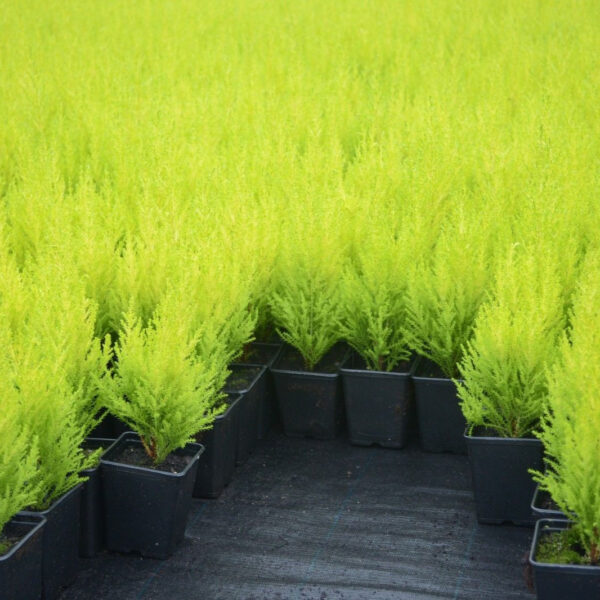
Mixed dwarf conifer varieties
£18.99 per pack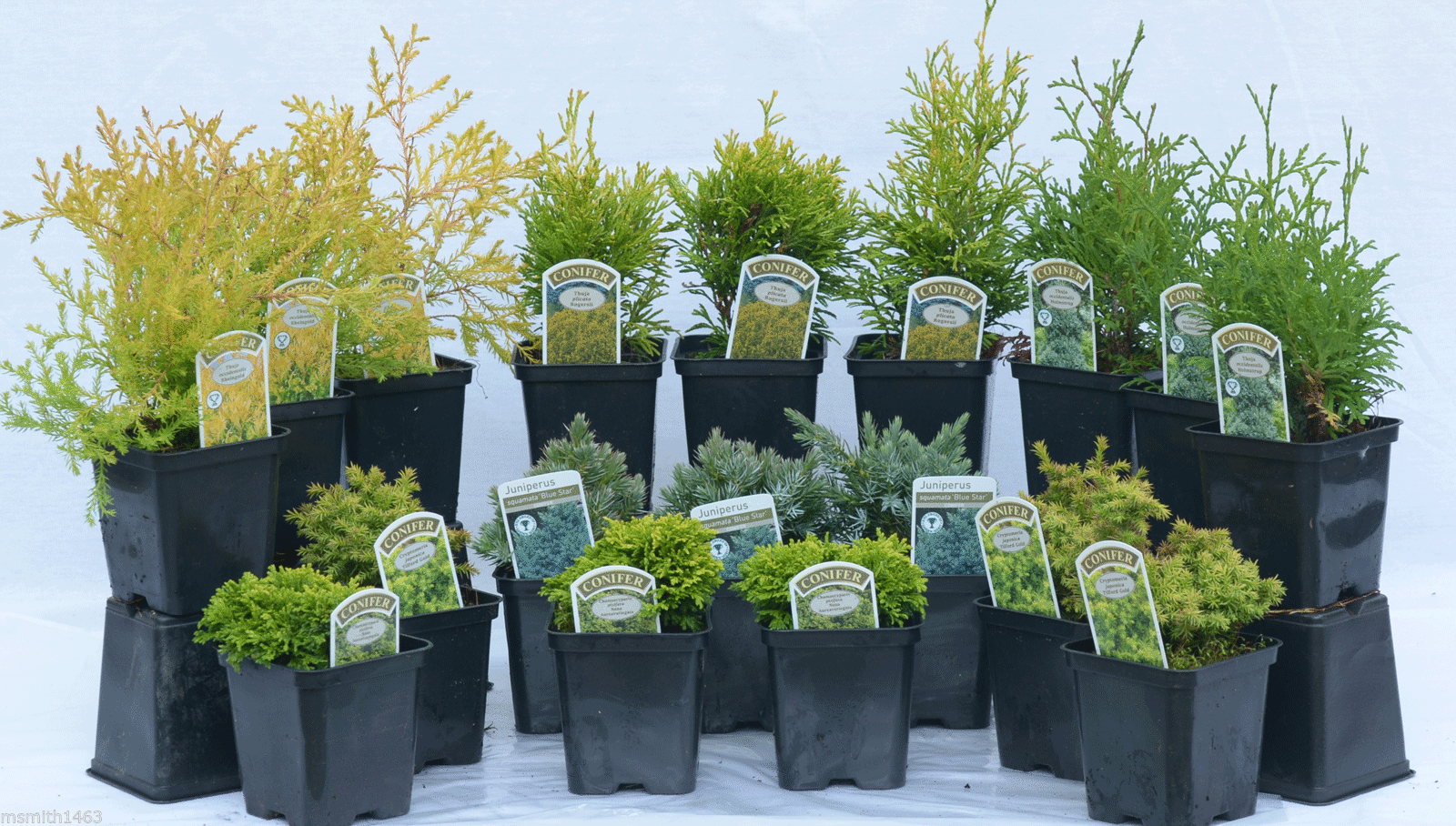
- UK Nursery Grown
- Planting Advice
Mixed Miniature Conifers: Dwarf Evergreen Collection
Mixed dwarf conifer varieties
£18.99 per pack
Mixed miniature conifers bring evergreen colour and structure to small gardens, rockeries and pots. Each pack contains a selection of dwarf conifers with different foliage textures and growth habits, which may include rounded, upright and spreading forms. Plant them together for a varied display or space them through a border to give it structure throughout the year.
- Mixed foliage colours and shapes
- Slow growing, ideal for containers
- Evergreen interest all year round
Step 1: Choose Your Root Type
Pot-grown plants, supplied in the pot size shown for each option. Plant at any time of year when the ground is workable. Ask about this plant
Understanding root types
- Bare root
- Lifted with little or no soil around the roots. Keep the roots moist and plant during the dormant season.
- Rootball
- Supplied with soil around the roots. Handle the rootball carefully and follow its planting instructions.
- Potted
- Grown in a nursery container. The pot size and supplied height are shown with each plant option.
Step 2: Choose Your Plant
Need help with your planting?Ask about sizes, root types and quantities
Position
Sun or light shade
Soil
Moist but well-drained soil
Supplied size
9cm pot
Ordering
Order from 1 pack
Description
Mixed Miniature Conifers: Dwarf Evergreen Collection
What are miniature conifers?
Miniature conifers are compact evergreens grown for their distinctive foliage and natural shapes. They work particularly well in small gardens, rockeries and containers, where their branches provide structure throughout the seasons. Growth rates vary between varieties, but dwarf conifers generally develop more slowly than their full-sized relatives and need little shaping. The mixed collection offers different forms and foliage colours, which may include deep green, blue-grey and golden shades.
The varieties in each pack can differ, so the combination of shapes and colours will vary. Your selection might include a rounded mound, a narrow upright conifer or a low-growing, spreading form. Planted together, their different habits create an interesting arrangement at several heights. You can also place individual plants between rocks or along the front of a border, giving each one enough space to develop its natural outline.
Why choose a mixed collection?
A mixed pack gives you several dwarf conifers to arrange according to their individual shapes and colours. Place taller, upright plants towards the back of a border, with rounded or spreading varieties nearer the front. Different foliage textures add detail to the planting, especially in winter when neighbouring perennials have died back.
Small conifer plants generally need little pruning once established, although watering remains important during prolonged dry weather, particularly in pots. Most retain their natural outline without regular clipping. Their evergreen needles or scale-like foliage stay on the branches through winter, keeping containers and borders green when many flowering plants are dormant.
Eventual height, spread and growth rate
Dwarf conifers for pots and borders vary considerably in growth rate. Some add around 2.5cm to 7.5cm (1in to 3in) each year, while others grow faster. Certain varieties may reach approximately 30cm to 90cm after ten years, but upright and spreading forms can develop very different heights and widths. Dwarf conifers also continue growing beyond ten years, so check the mature dimensions of each variety before choosing its position.
Young dwarf conifers are usually easier to reposition before their roots become established. Allow for their eventual spread when planting: a low, spreading conifer beside a path may need considerably more width than a narrow upright variety. Plants supplied in similar-sized pots can develop very different proportions as they mature.
Using miniature conifers in the garden
Small conifers suit many UK gardens, particularly where planting space is limited. In a rockery, their rounded or upright shapes stand out against stone and gravel. Along a border, they sit well among low-growing perennials and spring bulbs, providing green foliage after the flowers have faded. Compact varieties can also grow in troughs or sufficiently deep window boxes, provided there is room for their roots and good drainage.
For a container display, choose a broad pot with enough depth for the roots and arrange two or three compatible varieties with different habits. An upright conifer can provide height, with a rounded plant beside it and a spreading variety near the edge. Leave room for growth and finish with a thin layer of fine gravel to cover the compost surface and reduce splashing when watering.
Choosing a size
Mixed miniature conifers are available as four plants in 9cm pots, potted packs of six, twelve or eighteen, and six plants in 2 litre pots. The four-plant pack suits a small rockery or a group of containers, while larger packs provide more plants for borders and wider planting areas. The 2 litre option provides plants in larger pots for gardeners who prefer to start with more established specimens.
The selection of dwarf conifers may vary from pack to pack, including differences in foliage colour, shape and eventual size. This makes the collection particularly suitable for informal groups and mixed rockery planting. If you need matching plants for a regular row, a single named variety is a better choice than an assorted pack.
| Option | Supplied size | Pot or root type | Best for | Plants per pack |
|---|---|---|---|---|
| 9cm pot | 4 plants | Young plant | 9cm pot | Small troughs, rockery pockets | 4 |
| Potted | 6 plants | Young plant | Potted | Filling a medium container or small border area | 6 |
| Potted | 12 plants | Young plant | Potted | Larger rockeries, multiple pots | 12 |
| Potted | 18 plants | Young plant | Potted | Extensive ground coverage, big displays | 18 |
| 2 litre pot | 6 plants | More established plant | 2 litre pot | Established planting in borders and large pots | 6 |
Planting and care
Planting and aftercare
When and how to plant
Pot-grown miniature conifers can be planted throughout the year provided the ground is not frozen or waterlogged. Spring and early autumn are particularly suitable, as the soil is usually moist and temperatures are less extreme. Water each pot thoroughly before planting so the rootball is evenly moist when it goes into the ground.
Dig a hole wider than the rootball and position the conifer at the same depth it was growing in its original pot. Replace the soil, firm gently around the roots and water thoroughly. For containers, use a suitable loam-based compost and choose pots with unobstructed drainage holes. Avoid putting gravel beneath the compost, as it can interfere with drainage rather than prevent waterlogging.
Spacing and quantities
Spacing depends on the varieties and where you intend to grow them. For an initial arrangement in a border or rockery, 30cm to 60cm between plants may be suitable, although spreading conifers can eventually need considerably more room. In a large container, plants set around 20cm to 30cm apart will create a closer group, but may need separating or repotting as their branches and roots develop.
The table below calculates pack quantities for border planting at approximately 40cm between plants, including plants at both ends of each measured length. These figures are a starting point for a young planting scheme. Increase the spacing where necessary to accommodate the mature width of the conifers in your selection.
| Border length | Plants needed (at 40cm spacing) | 9cm pot | 4 plants | Potted | 6 plants | Potted | 12 plants | Potted | 18 plants | 2 litre pot | 6 plants |
|---|---|---|---|---|---|---|
| 5 metres | 13 plants | 4 packs (16 plants) | 3 packs (18 plants) | 2 packs (24 plants) | 1 pack (18 plants) | 3 packs (18 plants) |
| 10 metres | 25 plants | 7 packs (28 plants) | 5 packs (30 plants) | 3 packs (36 plants) | 2 packs (36 plants) | 5 packs (30 plants) |
| 20 metres | 50 plants | 13 packs (52 plants) | 9 packs (54 plants) | 5 packs (60 plants) | 3 packs (54 plants) | 9 packs (54 plants) |
Watering and feeding
Keep the soil or compost evenly moist during the first growing season while the roots establish. Container plants dry out faster than those in the ground, so check them regularly, especially in warm or windy weather. Water at the base rather than over the foliage.
If growth is poor or the compost has become depleted, apply a balanced, slow-release fertiliser suitable for shrubs in spring, following the recommended amount. Avoid excessive nitrogen, which can encourage soft growth. A thin mulch of bark or gravel helps reduce moisture loss and suppress weeds, but leave a little space around the main stem.
Trimming and shaping
Most miniature conifers hold their shape without regular pruning. Remove dead or damaged growth when necessary, and trim an overlong shoot lightly if it disrupts the outline. Avoid cutting into old, leafless wood, as many conifers will not produce fresh shoots from these areas. Heavy pruning can therefore leave bare patches that take years to cover or may never recover.
Where a variety tolerates clipping, lightly trimming its new growth in early summer can help maintain a compact outline. Check the pruning requirements of the particular conifer before cutting, as some varieties respond well to gentle shaping while others are best left to grow naturally.
Seasonal care calendar
Seasonal care mainly involves checking moisture, keeping containers clear of debris and trimming only where the variety requires it.
| Season | Task |
|---|---|
| Spring | Apply slow-release fertiliser. Trim any wayward shoots. Plant new stock. |
| Summer | Water containers regularly. Lightly trim current growth if shaping is needed. |
| Autumn | Plant new stock. Reduce watering as growth slows. Clear fallen leaves from containers. |
| Winter | Check container moisture in dry, windy spells. Remove snow from branches to prevent splaying. |
Growing and maintaining conifers Understand pot sizes and plant quantities Care for newly planted stock
Read our planting guideFurther growing advice: RHS plant and growing guidance
Sizes and prices
Mixed dwarf conifers sizes, prices and minimum orders
| Option | Supplied height | Pot or root | Plants | Price | Minimum order | Availability |
|---|---|---|---|---|---|---|
| 9cm pot | 4 plants | – | 9cm pot | 4 | £18.99 per pack | None | Available |
| Potted | 6 plants | – | Potted | 6 | £22.99 per pack | None | Available |
| Potted | 12 plants | – | Potted | 12 | £26.99 per pack | None | Available |
| Potted | 18 plants | – | Potted | 18 | £35.99 per pack | None | Available |
| 2 litre pot | 6 plants | – | 2 litre pot | 6 | £36.99 per pack | None | Available |
The price is for the selected plant or pack. Pack size tells you how many plants are included, and the minimum order is the smallest quantity we can send.
Plant sizes and quantities explainedDelivery
Delivery for your plant order
Delivery options and charges are shown in your basket and confirmed before you place your order.
Plants are living products. Unpack promptly after delivery, check moisture around the roots and keep them in a sheltered spot until you can plant.
Delivery informationPlant questions
Before you order
How much ground or how many pots will a pack of 4 cover?
A pack of four plants in 9cm pots can be arranged in a small rockery or divided between containers. At 30cm to 60cm spacing in a square planting grid, four plants represent approximately 0.36 to 1.44 square metres of planting area, although the space needed increases as the conifers mature. For a trough or large pot around 40cm to 50cm wide, choose how many plants to use according to their growth habits and leave room for their roots. Packs of six, twelve or eighteen give you more plants for longer borders, larger rockeries or several separate containers.
What is the best dwarf conifer?
The best dwarf conifer depends on the space available and the shape you want. A rounded variety can sit neatly among rocks or at the front of a border, while an upright form adds height to a mixed container. Spreading varieties need more horizontal room as they mature. A mixed dwarf conifer pack is useful if you enjoy combining different shapes and foliage colours, although the exact varieties and shades supplied will vary.
How big does a dwarf conifer grow?
Dwarf conifers vary in size and growth rate. Some add approximately 2.5cm to 7.5cm each year and remain compact for many years, while others grow more quickly or develop into larger shrubs. A variety might reach 30cm to 90cm after ten years, but that is not a fixed mature height or spread. Some eventually exceed 1.2 metres, particularly upright forms. Check the expected dimensions of your particular varieties and allow room for continued growth.
Can you keep dwarf conifers in pots?
Yes, many miniature conifers grow well in containers. Choose a pot with clear drainage holes and fill it with a suitable loam-based compost. Plants supplied in 9cm pots will need moving into larger containers as their roots develop. Those supplied in 2 litre pots may also need repotting as they grow, depending on the variety and container size. Check compost moisture regularly, especially during summer and dry, windy winter weather, when exposed pots can lose moisture quickly.
What happens if I cut the top off a conifer?
Removing the leading shoot can spoil a conifer's natural shape, particularly in upright varieties, and may cause irregular new growth. Many conifers cannot regenerate from old, leafless wood, so cutting too far back can leave permanent bare areas. If a plant has become too tall for its position, consider moving it while still manageable or replacing it with a smaller-growing variety. Light pruning of young shoots may be suitable for some conifers, but always check the variety's tolerance before trimming.
Which varieties are in the mixed pack?
These packs contain assorted dwarf conifers, so the varieties, foliage colours and growth habits can differ between selections. You may receive a combination of rounded, upright or spreading plants, depending on the mix supplied. Individual species and cultivars are not specified in the collection, so particular varieties cannot be guaranteed. Once you know which plants you have received, check their specific requirements for sunlight, soil conditions and eventual size.
Ask a plant questionYou may also like