Hesperocyparis macrocarpa 'Wilma'
£12.99 per plant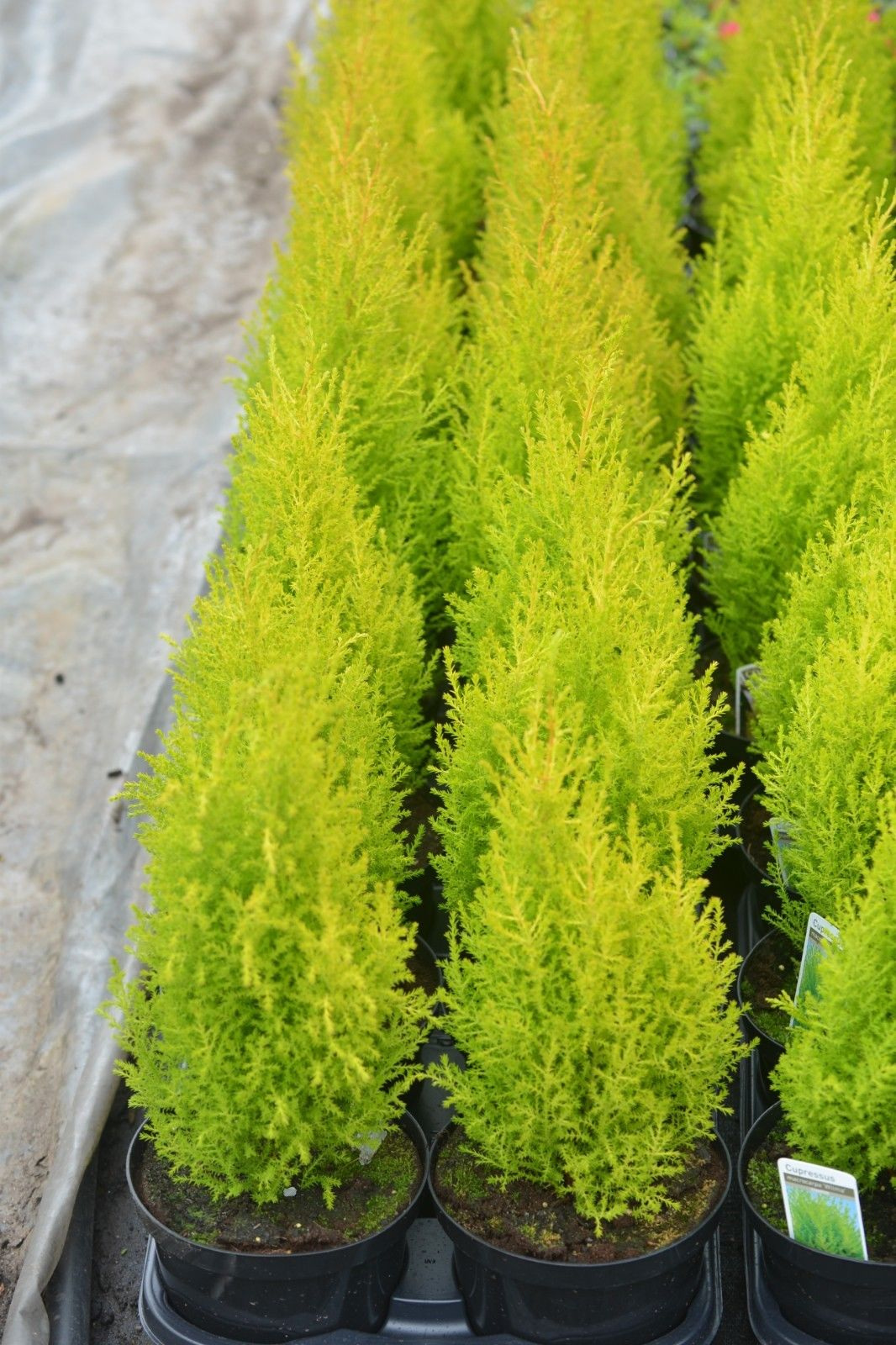
- UK Nursery Grown
- Planting Advice
Wilma Goldcrest Conifer Plants: Goldcrest Wilma for Sale
Hesperocyparis macrocarpa 'Wilma'
£12.99 per plant
Wilma Goldcrest is a narrow, upright conifer with bright yellow-green foliage that releases a citrus scent when brushed. Its slender shape adds height to patio containers and mixed borders without taking up much space, particularly in sunny, sheltered positions. A container-grown plant needs regular watering, especially during dry or windy weather outside summer.
- Narrow upright evergreen habit
- Bright yellow-green foliage
- Citrus scent when leaves are brushed
Step 1: Choose Your Root Type
Pot-grown plants, supplied in the pot size shown for each option. Plant at any time of year when the ground is workable. Ask about this plant
Understanding root types
- Bare root
- Lifted with little or no soil around the roots. Keep the roots moist and plant during the dormant season.
- Rootball
- Supplied with soil around the roots. Handle the rootball carefully and follow its planting instructions.
- Potted
- Grown in a nursery container. The pot size and supplied height are shown with each plant option.
Step 2: Choose Your Plant
Need help with your planting?Ask about sizes, root types and quantities
Position
Sunny, sheltered position
Soil
Moist but well-drained soil
Supplied size
2 litre pot
Ordering
Order from 1 plant
Description
Wilma Goldcrest Conifer Plants: Goldcrest Wilma for Sale
What is Wilma Goldcrest?
Wilma Goldcrest is an evergreen conifer that forms a dense, narrow column or cone. Its fine, yellow-green foliage stands out against broader leaves, darker evergreens and seasonal flowers. The leaves release a lemon fragrance when you brush or crush them, making the plant a good choice beside a path or on a patio. The evergreen foliage keeps its colour through winter, with fresh growth often appearing brighter than older shoots. Colour can vary slightly with light and weather conditions.
Why choose a Goldcrest Wilma?
Wilma Goldcrest brings height to a planting without spreading too far into neighbouring plants. Its slim, upright form looks particularly effective in a large patio container or planted at intervals through a sunny border. Position it near a path or seating area and you can enjoy the lemon scent whenever you brush against the foliage. The bright evergreen leaves provide colour throughout winter, while the naturally tidy shape needs little pruning.
How tall and wide does it grow?
In UK gardens, Wilma Goldcrest typically reaches 2.5 to 4 metres tall and about 1 to 1.5 metres wide after 10 to 20 years. Growth slows as the plant matures. Allow for roughly 20 to 30cm of new growth each year in good conditions, although growth rates vary with soil, shelter and available moisture. Give it enough space so neighbouring plants do not crowd the lower branches, which can cause them to thin out.
The eventual size depends on soil, light and shelter. A plant in a large container will usually stay smaller than one in the ground, but it still needs a pot that allows the roots to develop.
How to use Wilma Goldcrest in the garden
A single Wilma Goldcrest makes an attractive upright feature in a patio pot, while several planted along a border bring height and structure. Try combining its bright, finely textured foliage with rounded evergreen shrubs, ornamental grasses or flowering perennials. Its narrow habit is especially useful in smaller gardens where space is limited. Plant near a path to enjoy the lemon scent as you pass. Choose a sunny position with some shelter, avoiding exposed corners where cold, drying winds could scorch the foliage.
Choosing a size
Wilma Goldcrest is available as a single plant in a 2 litre pot or in packs of 6, 12 and 18 plants. Choose the single plant for a patio container or a particular spot in the border. The larger packs are useful when planting several containers, repeating the same upright shape along a border or creating a group of conifers. The pot or root type and supplied height are not specified for the multi-plant packs.
Compare the four pack quantities below to work out how many plants you need for your chosen space.
| Option | Supplied size | Pot or root type | Best for |
|---|---|---|---|
| 2 litre pot | 1 plant | Height not specified | 2 litre pot | A single patio container or a feature in the border |
| 6 plants | 20 to 30cm tall | Not specified | A small group or several pots |
| 12 plants | 20 to 30cm tall | Potted (nursery pots) | Repeated upright accents along a border or among shrubs |
| 18 plants | 20 to 30cm tall | Potted (nursery pots) | Several containers or a longer stretch of border |
Planting and care
Planting and aftercare
When and how to plant
Plant pot-grown Wilma Goldcrest at any time of year when the ground is not frozen or waterlogged. Spring and early autumn are ideal, giving roots time to settle before summer heat or winter cold. Water the pot thoroughly before planting. Dig a hole slightly wider than the rootball and set the plant at the same depth it was in the pot. Backfill with soil, firm gently and water well.
For a container, choose a pot with drainage holes and use a loam-based compost such as John Innes No. 2 or No. 3. A loam-based compost provides a useful balance of moisture retention, nutrients and drainage, helping the roots develop without leaving them sitting in water. Leave room for watering and check the compost regularly: container plants dry out faster than those in the ground.
Spacing for a hedge or group
Wilma Goldcrest works best as a naturally shaped row of conifers rather than a tightly clipped hedge. Its foliage does not reliably regrow from old, bare wood, so heavy cutting can leave lasting gaps. For an informal screen or a closely planted group, allow 60 to 80cm between plants, giving their narrow crowns room to develop. If you prefer to see each conifer's individual shape, increase the spacing to 1 to 1.2 metres.
For a row planted at 70cm intervals, use these quantities as a starting point. Allow for the final position of each plant when setting out your row.
| Length to cover | Plants needed (70cm spacing) |
|---|---|
| 5 metres | 7 plants |
| 10 metres | 14 plants |
| 20 metres | 29 plants |
Watering and feeding
Keep the soil or compost moist but not waterlogged, especially in the first growing season. Check below the surface: if the top few centimetres feel dry, water thoroughly and let the excess drain away. Check container plants more often, even in winter. The evergreen foliage continues to lose moisture during dry, windy weather, and compost can dry out when rainfall is limited.
In spring, apply a general-purpose granular fertiliser or a feed suitable for conifers, following the pack instructions. Spread it over the soil around the roots, keeping it clear of the stem, then water thoroughly. Add a light layer of bark or compost mulch to help the soil retain moisture and keep weeds down, leaving a clear gap around the trunk.
Trimming and care calendar
Wilma Goldcrest keeps a neat, narrow shape with little pruning. If you need to trim it, do so lightly in late spring or early summer and only cut into green foliage. Cutting back into bare, brown wood is unlikely to produce new growth and can leave permanent gaps. Remove any dead or damaged branches as you see them.
Most maintenance falls between spring and early summer, although watering and container checks are important throughout the year. Use this seasonal guide to plan the main jobs.
| Month | Task |
|---|---|
| March to April | Feed with general-purpose fertiliser |
| April to June | Light trimming if needed (green growth only) |
| March to October | Water during dry spells; check containers weekly |
| November to February | Check containers after dry or windy weather |
Choosing conifers for gardens and pots Watering and establishment Compare pot and pack sizes
Read our planting guideFurther growing advice: RHS plant and growing guidance
Sizes and prices
Wilma Goldcrest sizes, prices and minimum orders
| Option | Supplied height | Pot or root | Plants | Price | Minimum order | Availability |
|---|---|---|---|---|---|---|
| 2 litre pot | 1 plant | – | 2 litre pot | 1 | £12.99 per plant | None | Available |
| 6 plants | – | Potted | 6 | £18.99 per pack | None | Available |
| 12 plants | – | Potted | 12 | £26.99 per pack | None | Available |
| 18 plants | – | Potted | 18 | £35.99 per pack | None | Available |
The price is for the selected plant or pack. Pack size tells you how many plants are included, and the minimum order is the smallest quantity we can send.
Plant sizes and quantities explainedDelivery
Delivery for your plant order
Delivery options and charges are shown in your basket and confirmed before you place your order.
Plants are living products. Unpack promptly after delivery, check moisture around the roots and keep them in a sheltered spot until you can plant.
Delivery informationPlant questions
Before you order
How big do Goldcrest Wilma grow?
In UK gardens, Wilma Goldcrest typically reaches 2.5 to 4 metres tall and 1 to 1.5 metres wide after 10 to 20 years. Growth slows as the plant matures. The eventual size depends on soil, light and shelter. A plant in a large container usually stays smaller than one in the ground, but it still needs a pot that gives roots room to develop.
How fast does a Wilma Goldcrest cypress grow?
In good conditions, Wilma Goldcrest can put on around 20 to 30cm of growth each year. Growth is usually slower in shade, poor soil or exposed positions, so allow time for its narrow, conical shape to develop. Water young plants during dry spells and give them a suitable feed in spring to support steady growth.
Will Lemon Cypress survive winter?
Wilma Goldcrest can overwinter outdoors in many sheltered UK gardens, although severe frost and cold, drying winds may damage its foliage. Brown or scorched patches are more likely in exposed positions, particularly during prolonged cold weather. Choose a sheltered planting spot and move containers closer to a protected wall during harsh weather. Check the compost regularly through winter, watering when needed if it is dry and not frozen.
Why is my cypress Goldcrest turning brown?
Brown foliage often points to a problem with moisture, exposure or pests. If the soil or compost feels dry beneath the surface, give the roots a thorough watering. Browning concentrated on the exposed side of the plant may be wind scorch, particularly after cold winter weather. If the ground stays wet, poor drainage could be damaging the roots. Check the stems and inner foliage for cypress aphids, which can also cause shoots to die back. Remove dead growth carefully, avoiding cuts into healthy old wood, and address the underlying cause before further damage develops.
Can I keep Wilma Goldcrest in a pot?
Yes, it grows well in a container. Start with a pot at least 30 to 40cm wide and deep, with drainage holes. Use a loam-based compost and move the plant to a larger pot as the roots fill the container. Check the compost regularly: potted plants dry out faster than those in the ground and need more frequent watering, especially in summer and during dry winter winds.
Does Wilma Goldcrest need pruning?
Wilma Goldcrest naturally forms a narrow, upright cone, so regular clipping is rarely necessary. To tidy uneven shoots, trim lightly in late spring or early summer while the plant is actively growing. Keep your cuts within the green foliage. Bare, brown wood is unlikely to produce fresh shoots, and cutting into it can leave permanent gaps in the shape.
Ask a plant questionYou may also like