Mixed heather varieties
£16.99 per pack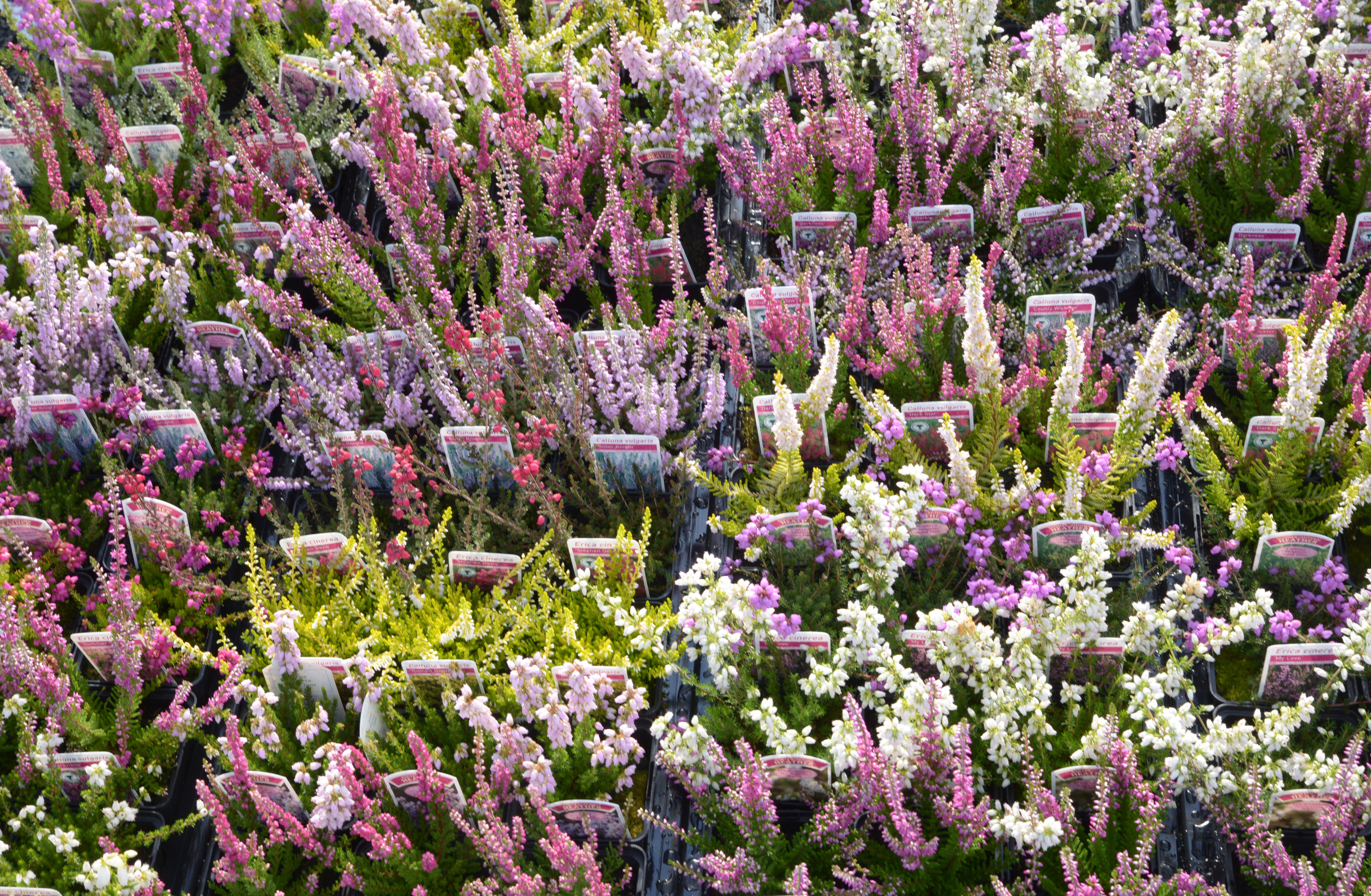
- UK Nursery Grown
- Planting Advice
Mixed Garden Heathers for Sale
Mixed heather varieties
£16.99 per pack
Mixed garden heathers bring fine evergreen foliage and seasonal flower colour to borders, rockeries and containers. Supplied in 9cm pots, they look particularly good planted in groups, where their different foliage shades can be appreciated together. Give them a sunny position with acidic, well-drained soil or ericaceous compost, away from taller plants that might shade them.
- Mixed heather varieties
- Compact evergreen foliage
- Varied seasonal flower colour
Step 1: Choose Your Root Type
Pot-grown plants, supplied in the pot size shown for each option. Plant at any time of year when the ground is workable. Ask about this plant
Understanding root types
- Bare root
- Lifted with little or no soil around the roots. Keep the roots moist and plant during the dormant season.
- Rootball
- Supplied with soil around the roots. Handle the rootball carefully and follow its planting instructions.
- Potted
- Grown in a nursery container. The pot size and supplied height are shown with each plant option.
Step 2: Choose Your Plant
Position
Sun or light partial shade
Soil
Acidic, well-drained soil or ericaceous compost
Supplied size
9cm pot
Ordering
Order from 1 pack
Description
Mixed Garden Heathers for Sale
What is a mixed garden heather collection?
Garden heathers grow into low, bushy plants with fine evergreen foliage and small flowers clustered along their stems. Plant them beside paths, among stones or in patio containers, where you can enjoy their colour and texture up close. A mixed collection gives you a selection of foliage shades and flower colours, although the exact varieties and flowering periods may differ between packs. Check the individual plant labels, where provided, if you want to arrange them by flowering season.
Why choose this heather plant collection?
Heathers look particularly effective in groups, with their small leaves and colourful flowers creating a continuous patch of planting. Different varieties can flower at different times of year, so a mixed collection offers seasonal variation without relying on one flower colour. Their naturally low growth suits front borders, rockeries and patio pots, while the evergreen foliage keeps these areas looking planted through winter. As neighbouring plants fill out, their foliage can also help shade the soil and reduce space for weeds.
Eventual height, spread and growth rate
Many garden heathers mature at around 20 to 50cm tall, with a similar spread, although individual varieties can differ. Growth is generally slow to moderate, and some plants may put on around 2 to 5cm in a year, depending on conditions. Their low habit suits the front of a border or gaps between larger shrubs, provided there is enough light. In containers, growth may be more restricted, so check the roots and refresh the compost or move plants into larger pots as needed.
Uses for flowering heather plants
Use heathers to soften the edges of paths and driveways, or tuck them between rocks where their fine foliage contrasts with stone. Groups of plants can also cover patches of a sunny bank, with their roots helping to hold the surface soil as they establish. For patio containers, pair them with dwarf rhododendrons or pieris, which also enjoy acidic growing conditions. Their evergreen leaves keep some colour in the garden through winter, even when the heathers themselves are not in flower.
Choosing a size
These mixed garden heathers are supplied in 9cm pots, with packs of 6, 12 or 18 plants available. Choose a smaller pack for a few pots or a short border edge, or a larger pack if you want to repeat the planting across a rockery or bed. The table shows the available quantities.
For ground cover, allow about 30cm between plants. At this spacing, a pack of 6 covers roughly 0.5 square metres, a pack of 12 about 1 square metre, and a pack of 18 around 1.5 square metres. The foliage will take time to fill the gaps. For a fuller-looking container from the start, you can use 3 to 5 young plants in a 30cm pot, allowing enough room for their roots and future growth.
| Option | Supplied size | Pot or root type | Best for | Plants per pack |
|---|---|---|---|---|
| 9cm pot | 6 plants | 9cm pot | Pot-grown | Small borders or a few containers | 6 |
| 9cm pot | 12 plants | 9cm pot | Pot-grown | Medium border or rockery | 12 |
| 9cm pot | 18 plants | 9cm pot | Pot-grown | Larger drifts or multiple containers | 18 |
Planting and care
Planting and aftercare
When and how to plant heather
Spring and autumn are good times to plant heathers, when the soil is usually moist and easier to work. Water each pot thoroughly, then dig a hole a little wider than the rootball. Set the plant at its original growing depth, backfill with suitable acidic soil, firm gently and water again. Heathers dislike sitting in wet ground, so avoid poorly drained planting spots. Where heavy clay makes drainage difficult, a raised bed with suitable acidic growing material may be a better choice. For containers, use ericaceous compost and pots with drainage holes.
Spacing for ground cover
Space heathers about 30cm apart for a closely planted bed that will gradually fill out as the plants grow. This also leaves room for their branches to spread without crowding straight away. The table gives the approximate number of plants needed for different lengths of border, based on a single row.
| Length of area | Plants needed (30cm spacing) |
|---|---|
| 5 metres | 17 |
| 10 metres | 34 |
| 20 metres | 67 |
Watering and feeding
Water newly planted heathers during dry spells until their roots are established. Their low foliage can hide dry soil, so check the moisture beneath the stems rather than judging by how the plant looks. Pots dry out faster than garden beds, particularly in sunny or windy weather, but the roots should never sit in water. Heathers generally need little feeding in suitable soil. If growth looks poor, a light application of ericaceous plant food in early spring may help. Avoid heavy feeding, which can encourage soft, straggly stems.
Trimming calendar
Give heathers a light trim once their flowers have faded, removing the spent flowering tips to encourage a tidy, bushy shape. Winter-flowering varieties can usually be trimmed in early spring, while summer-flowering types are best cut back in early autumn after flowering. Follow the individual plant label where available. Keep the cuts within green, leafy growth, as old bare stems are unlikely to produce fresh shoots. Pull out weeds around the plants by hand before they crowd the low branches.
Plan planting for your soil Choose collection sizes Watering new plants and containers
Read our planting guideFurther growing advice: RHS plant and growing guidance
Sizes and prices
Mixed garden heathers sizes, prices and minimum orders
| Option | Supplied height | Pot or root | Plants | Price | Minimum order | Availability |
|---|---|---|---|---|---|---|
| 9cm pot | 6 plants | – | 9cm pot | 6 | £16.99 per pack | None | Available |
| 9cm pot | 12 plants | – | 9cm pot | 12 | £28.99 per pack | None | Available |
| 9cm pot | 18 plants | – | 9cm pot | 18 | £38.99 per pack | None | Available |
The price is for the selected plant or pack. Pack size tells you how many plants are included, and the minimum order is the smallest quantity we can send.
Plant sizes and quantities explainedDelivery
Delivery for your plant order
Delivery options and charges are shown in your basket and confirmed before you place your order.
Plants are living products. Unpack promptly after delivery, check moisture around the roots and keep them in a sheltered spot until you can plant.
Delivery informationPlant questions
Before you order
Does heather come back every year?
Yes. Heathers are perennial shrubs, so healthy plants continue growing and flowering year after year. Their evergreen foliage remains through winter, although some leaves may change colour in colder weather. Acidic, free-draining soil and a light trim after flowering help keep plants in good condition. In exposed gardens, a thin layer of suitable bark mulch around the roots can provide extra protection, but leave the stems and crown uncovered.
Do heather plants spread?
Heathers gradually spread outwards as their branches grow, although the rate depends on the variety and growing conditions. Most remain fairly compact, adding only a few centimetres of growth in a typical year. Planting them about 30cm apart allows neighbouring plants to meet as they mature, creating a low covering of foliage. This can help reduce weed growth, but you will still need to remove weeds while the plants are establishing.
Does heather like shade or sun?
Heathers generally flower most freely in full sun, where their growth also tends to stay compact. Some varieties cope with light partial shade, particularly where they receive morning or afternoon sunshine. In deeper shade, flowering can become sparse and the stems may grow longer and thinner. Aim for a position with at least four to six hours of direct sunlight a day, while keeping the soil from drying out completely.
When to plant heather?
Spring (March to May) and autumn (September to October) are usually the easiest times to plant heather. The ground tends to hold enough moisture for new roots to establish without frequent watering. Because these heathers come in pots, you can also plant them at other times of year, provided the soil is not frozen or waterlogged. If planting during a hot, dry spell, check the soil regularly and water whenever needed.
How much ground will a pack of 6 cover?
A pack of 6 heathers planted at 30cm spacing covers roughly 0.5 square metres of ground. That is enough to start a small patch at the front of a border or fill a sunny space in a rockery. For closer planting, you can reduce the spacing to 25cm, although the plants will need room to spread as they mature. These figures describe the planting area rather than immediate foliage coverage, which depends on the size and growth of each heather.
Can I grow heathers in alkaline soil?
Most garden heathers prefer acidic soil, although certain Erica species tolerate neutral or slightly alkaline conditions. As the varieties in a mixed pack may differ, acidic, well-drained growing conditions are the safest choice. Adding a little ericaceous compost to strongly alkaline ground will not reliably change its pH for the long term. If your garden soil is alkaline, grow the heathers in containers or a suitable raised bed filled with ericaceous compost, where you can manage their growing conditions more easily.
Ask a plant question