Veronica (shrubby hebe collection)
£29.99 per pack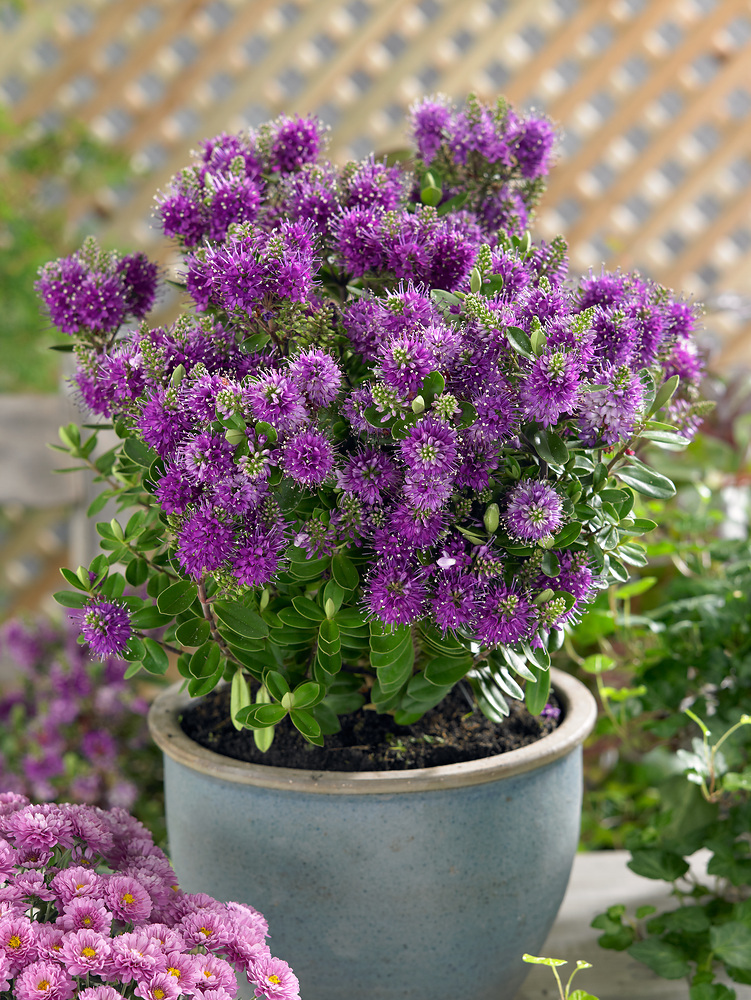
- UK Nursery Grown
- Planting Advice
Hebe Plants for Sale: Mixed Evergreen Shrub Collection
Veronica (shrubby hebe collection)
£29.99 per pack
Our mixed hebe shrubs for sale bring together evergreen foliage in different shapes, sizes and shades, with flower spikes appearing in summer. Their flowers attract bees and other pollinators, while the leaves provide colour through winter. Plant them in a sunny, sheltered border or arrange them in patio pots for a relaxed mix of foliage and flowers.
- Mixed evergreen foliage and flower forms
- Attracts bees and pollinating insects
- Suits sunny, sheltered borders and pots
Step 1: Choose Your Root Type
Pot-grown plants, supplied in the pot size shown for each option. Plant at any time of year when the ground is workable. Ask about this plant
Understanding root types
- Bare root
- Lifted with little or no soil around the roots. Keep the roots moist and plant during the dormant season.
- Rootball
- Supplied with soil around the roots. Handle the rootball carefully and follow its planting instructions.
- Potted
- Grown in a nursery container. The pot size and supplied height are shown with each plant option.
Step 2: Choose Your Plant
Need help with your planting?Ask about sizes, root types and quantities
Position
Sunny, sheltered spot
Soil
Well-drained soil
Supplied size
2 litre pot
Ordering
Order from 1 pack
Description
Hebe Plants for Sale: Mixed Evergreen Shrub Collection
What are mixed hebe plants for sale?
These mixed hebe plants for sale include evergreen shrubs with different leaf shapes, foliage colours and summer flowers. Hebes are now classified botanically within Veronica, although the name hebe remains widely used in gardens and nurseries. With several varieties in each pack, you can combine contrasting foliage and flower forms in a single planting.
The leaves stay on the shrubs all year, providing structure and colour even after the flowers fade. Depending on the varieties included, summer flower spikes may be white, pink, purple or blue. Bees and other pollinating insects visit the blooms, making these shrubs a useful addition to a wildlife-friendly garden.
Why choose a mixed hebe collection?
Mixed hebe shrubs bring different leaf textures and flower colours into the same border. Some may grow into rounded, compact bushes, while others develop a looser shape. Planting them together creates the varied heights and foliage textures that suit an informal, cottage-style garden.
The plants can also be grown separately in patio pots, where their different leaves are easy to appreciate. Move containers to a sheltered position during particularly cold weather, especially if the varieties are less frost-tolerant. Their evergreen foliage provides year-round interest, with flower spikes adding colour in summer.
Eventual height, spread and growth rate
Hebes vary in their mature size. Some compact, small-leaved hebes mature at around 40 to 60cm tall and wide, while certain larger-growing varieties can reach 1.2m or more. These are broad guides rather than sizes for every plant in the collection, as mature height and spread depend on the varieties supplied.
Hebes generally grow at a moderate pace, although the amount of new growth varies with the variety, soil and weather. Many can make around 10 to 20cm of growth in a favourable year, but there is no fixed time for every variety to reach its mature size. Light trimming after flowering encourages branching and helps keep the shrubs compact.
Using mixed hebes in your garden
Plant the collection together in a sunny, sheltered border for a varied evergreen display with summer flowers. Leave enough space between each shrub for its natural shape to develop. Place smaller varieties towards the front and allow taller plants room behind them, so the different leaf shapes and summer flowers remain visible.
These hebe shrubs also suit patio containers. Use one plant per pot, or group several pots together for a coordinated look. In cold or exposed gardens, containers let you move more tender plants to a protected spot near a wall or into a cold greenhouse during severe winter weather.
Choosing a size
We supply mixed hebes in two pot sizes and several pack quantities. Choose the four-plant pack in 2 litre pots if you prefer larger, more established shrubs. The smaller 9cm pot plants are available in packs of 4, 6, 12 or 18 and are suitable for growing on before planting into their final positions.
The mix of varieties can change between packs, so individual leaf shapes, foliage colours and flower shades cannot be specified. Choose your pack by pot size and quantity, allowing for the different growing habits of the shrubs supplied.
| Option | Supplied size | Pot or root | Best for | Plants per pack |
|---|---|---|---|---|
| 2 litre pot | 4 plants | Height not specified | 2 litre pot | Larger plants for borders or pots | 4 |
| 9cm pot | 4 plants | Height not specified | 9cm pot | Smaller gardens or growing on | 4 |
| 9cm pot | 6 plants | 10 to 15cm (approx) | 9cm pot | Filling a medium border area | 6 |
| 9cm pot | 12 plants | 10 to 15cm (approx) | 9cm pot | Larger planting schemes | 12 |
| 9cm pot | 18 plants | 10 to 15cm (approx) | 9cm pot | Planting larger groups in borders | 18 |
Which hebe varieties are in the mix?
The varieties in each pack depend on what is available when your plants are selected. The mix may include compact hebes with small leaves alongside broader-leaved shrubs with longer flower spikes. As the selection changes, particular varieties and flower colours cannot be guaranteed.
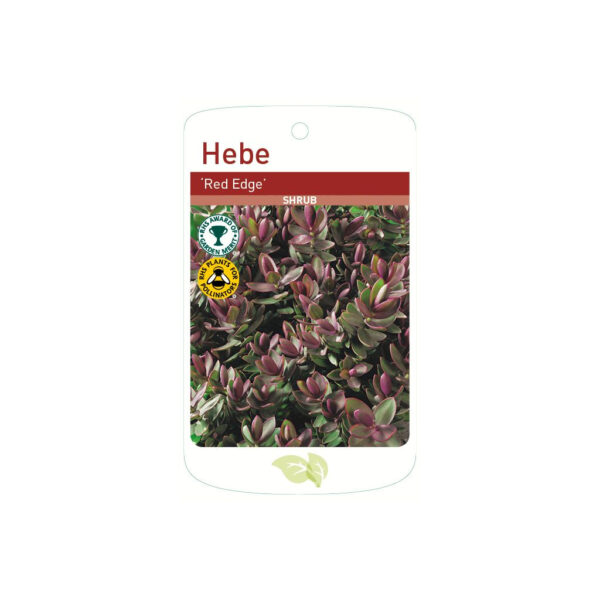
If a particular flower colour or leaf shape matters, Hebe Red Edge is the named hebe available separately. Choose the mixed collection when you are happy to combine different foliage and flower forms.
Planting and care
Planting and aftercare
When and how to plant hebes
Spring and early summer are good times to plant hebes, giving their roots time to establish before colder weather arrives. Smaller 9cm pot plants can be moved into larger containers and grown on in a sheltered position before planting out. Avoid planting when the ground is frozen or waterlogged.
Before planting, water the pots thoroughly. Dig a hole twice as wide as the rootball and set the plant at the same depth it was in the pot. Backfill with soil and firm gently. In containers, use a loam-based compost with good drainage and make sure the pot has drainage holes.
Spacing for a hebe hedge or group
Mixed hebes are not typically grown as a formal hedge, but you can plant them in a loose, informal row or group. Spacing depends on the eventual size of the varieties you receive. As a general guide, space plants 40 to 60cm apart for a dense, low-growing group.
The table gives approximate plant quantities for informal rows at 50cm between planting positions. Allow more room for larger-growing varieties, as mixed hebes will not all develop the same width.
| Length | Plants needed (at 50cm spacing) |
|---|---|
| 5 metres | 10 plants |
| 10 metres | 20 plants |
| 20 metres | 40 plants |
Watering and feeding
Water regularly during the first growing season to help roots establish. Check the soil moisture by feeling a few centimetres below the surface. In dry spells, give the plants a thorough soak once or twice a week rather than light, frequent watering.
Hebes in containers dry out faster than those in the ground, so check pots daily in hot or windy weather. Make sure excess water drains freely from pots, particularly in winter, when wet compost can lead to root rot.
Feed hebes in spring with a balanced, slow-release fertiliser. An additional light feed may be useful for container plants, but avoid overfeeding, which can encourage soft, leafy growth. Do not feed late in the season, as soft new growth is vulnerable to frost damage.
Trimming and care calendar
Light pruning keeps hebes tidy and encourages bushy growth. Remove faded flower spikes after blooming, cutting back to a healthy pair of leaves. You can also trim back any straggly shoots to maintain a balanced shape.
Avoid cutting into old, bare wood, as many hebes do not regenerate well from hard pruning. Start shaping plants while they are young, rather than waiting until they are overgrown.
In colder gardens, apply mulch around the root area in autumn, keeping it clear of the stems to avoid trapping moisture against them. Container-grown hebes can be moved to a sheltered spot, such as against a house wall, during severe winter weather.
| Season | Task |
|---|---|
| Spring | Plant new shrubs; apply slow-release fertiliser; lightly trim any winter-damaged shoots |
| Summer | Water during dry spells; deadhead spent flowers; light trim after flowering if needed |
| Autumn | Mulch roots for winter protection; move pots to shelter if frost is forecast |
| Winter | Check containers do not become waterlogged; avoid pruning in frosty weather |
Choose shrubs for the position Compare plant and pack sizes Care for plants after planting
Read our planting guideFurther growing advice: RHS plant and growing guidance
Sizes and prices
Mixed hebes sizes, prices and minimum orders
| Option | Supplied height | Pot or root | Plants | Price | Minimum order | Availability |
|---|---|---|---|---|---|---|
| 2 litre pot | 4 plants | – | 2 litre pot | 4 | £29.99 per pack | None | Available |
| 9cm pot | 4 plants | – | 9cm pot | 4 | £15.99 per pack | None | Unavailable |
| 9cm pot | 6 plants | – | 9cm pot | 6 | £19.99 per pack | None | Unavailable |
| 9cm pot | 12 plants | – | 9cm pot | 12 | £35.99 per pack | None | Unavailable |
| 9cm pot | 18 plants | – | 9cm pot | 18 | £45.99 per pack | None | Unavailable |
The price is for the selected plant or pack. Pack size tells you how many plants are included, and the minimum order is the smallest quantity we can send.
Plant sizes and quantities explainedDelivery
Delivery for your plant order
Delivery options and charges are shown in your basket and confirmed before you place your order.
Plants are living products. Unpack promptly after delivery, check moisture around the roots and keep them in a sheltered spot until you can plant.
Delivery informationPlant questions
Before you order
Does hebe come back every year?
Yes. Hebes are perennial, evergreen shrubs, so healthy plants retain their foliage through winter and usually produce fresh growth in spring. Their ability to withstand frost depends on the variety, with many small-leaved types tolerating colder conditions better than tender, larger-leaved forms. Severe frost and cold winds can damage leaves and stems, particularly in exposed gardens. Choose a sunny, sheltered planting position with free-draining soil, and mulch around the roots in autumn. Container plants may need additional shelter during prolonged freezing weather.
Should you cut back a hebe?
You should prune hebes lightly rather than cutting them back hard. After flowering, remove the faded flower spikes and trim back any wayward shoots to keep the shrub compact. Always cut to a healthy pair of leaves, and avoid cutting into old, bare stems. Most hebes struggle to regenerate from hard pruning into old wood. If a shrub has become leggy or overgrown, it is often better to replace it. Start shaping plants when they are young to prevent them outgrowing their space.
Which hebe varieties are in the mix?
The mixed hebe collection contains a changing selection of varieties, so the exact plants you receive will vary. You can expect a mix of leaf sizes, colours and flower shades. Small-leaved, compact types may be included alongside larger-leaved forms. Individual cultivars are not specified, and the final combination depends on availability. For a named option, Hebe Red Edge is sold separately, although its foliage and flower characteristics will differ from other varieties that might appear in a mixed pack.
Where is the best place to plant hebes?
Choose a sunny, sheltered position with soil that drains freely, particularly through winter. A south- or west-facing border protected from cold winds is often suitable. Hebes dislike sitting in wet soil, so improve heavy ground with suitable drainage measures or grow them in containers filled with free-draining, loam-based compost. Make sure every pot has drainage holes. Many hebes cope with coastal conditions, although tolerance of salty winds and winter cold varies between varieties.
How much ground will a pack of 4 cover?
Four mixed hebes planted 50cm apart will span 1.5 metres between the first and last planting positions. At 40cm spacing, that distance becomes 1.2 metres. The final width of the planting will be greater as the shrubs spread, but actual coverage depends on the varieties supplied. Leave enough space for their mature shapes rather than relying on close spacing for immediate coverage. For larger areas, choose packs of 6, 12 or 18 plants in 9cm pots, or combine four-plant packs in 2 litre pots.
Are hebes toxic to pets or people?
Hebes are not generally recognised as poisonous garden shrubs, but this does not mean every variety has been tested for safety if eaten. Discourage children and pets from chewing the leaves or flowers, particularly as this pack contains different varieties. If a child swallows plant material and becomes unwell, seek medical advice. Contact a vet if a pet eats part of a plant and develops symptoms such as vomiting or diarrhoea. Keep a sample or photograph of the plant to help with identification.
Ask a plant questionYou may also like