Eucalyptus gunnii
£10.99 per plant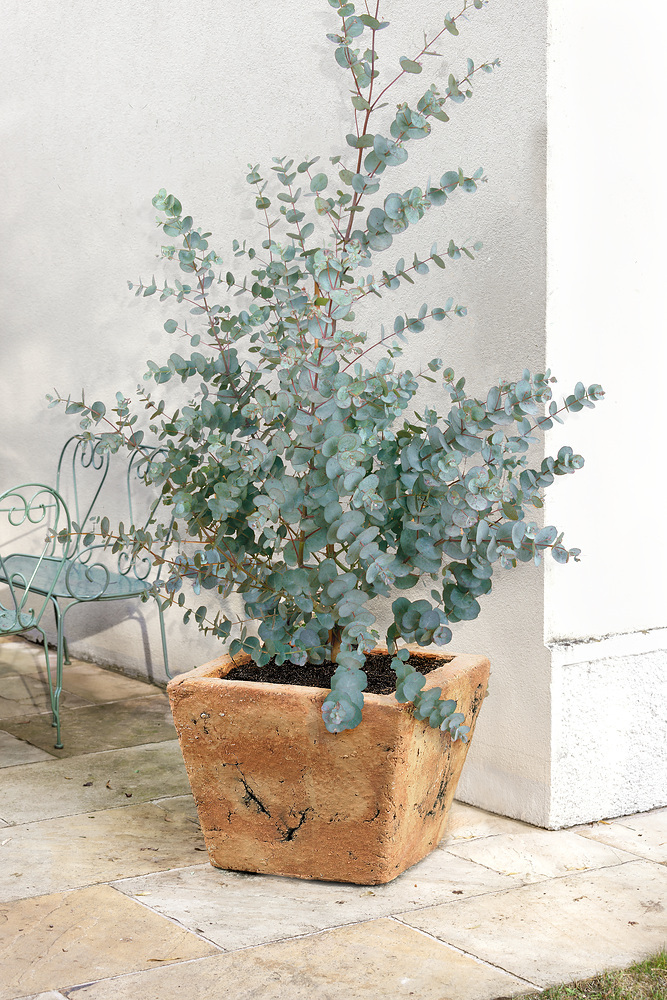
- UK Nursery Grown
- Planting Advice
Eucalyptus gunnii (Cider Gum) Plants for Sale UK
Eucalyptus gunnii
£10.99 per plant
Eucalyptus gunnii, or cider gum, has rounded, silver-blue young leaves with a distinctive eucalyptus scent. Left alone, it grows into a large evergreen tree. Regular pruning can keep it smaller and encourage fresh, leafy stems for cutting. Plant it in a sunny, sheltered position with well-drained soil, and start shaping it while it is young.
- Rounded silver-blue juvenile foliage
- Aromatic leaves and peeling bark
- Large tree unless pruned regularly
Step 1: Choose Your Root Type
Pot-grown plants, supplied in the pot size shown for each option. Plant at any time of year when the ground is workable. Ask about this plant
Understanding root types
- Bare root
- Lifted with little or no soil around the roots. Keep the roots moist and plant during the dormant season.
- Rootball
- Supplied with soil around the roots. Handle the rootball carefully and follow its planting instructions.
- Potted
- Grown in a nursery container. The pot size and supplied height are shown with each plant option.
Step 2: Choose Your Plant
Need help with your planting?Ask about sizes, root types and quantities
Position
Full sun, sheltered from strong winds
Soil
Moist but well-drained, neutral to acid
Supplied size
20-30cm, 9cm pot
Ordering
Order from 1 plant
Description
Eucalyptus gunnii (Cider Gum) Plants for Sale UK
What is Eucalyptus gunnii?
Eucalyptus gunnii, often called cider gum, is an evergreen tree from Tasmania. Young plants have rounded, silver-blue leaves, often cut for flower arrangements. As the tree matures, the foliage changes to longer, slender, grey-green leaves, and the bark peels to reveal cream, grey and brown patches.
Without pruning, cider gum can grow well over 15 metres tall. In smaller gardens, regular coppicing can maintain a shrubby shape and encourage fresh growth with rounded, silver-blue leaves. Pruning needs to continue as the plant matures.
Why choose Eucalyptus gunnii?
Cider gum keeps its foliage throughout the year, with aromatic leaves and bark that peels to expose patches of cream, grey and brown. Its rounded young leaves are useful for flower arranging, while the mature tree develops a striking trunk. Once established, it can put on substantial growth each season.
Regular coppicing can make cider gum suitable for a spacious mixed border, where several leafy stems can grow from a low framework. It can also be trained as a multi-stem tree. Allow room for the growth between pruning sessions, particularly as the plant becomes established.
Eventual height, spread and growth rate
In open ground without pruning, Eucalyptus gunnii can reach 15 to 25 metres tall with a spread of 8 to 12 metres. Once established, it can produce around 1 to 1.5 metres of new growth a year in favourable conditions, although the rate varies with soil, weather and pruning.
Annual coppicing or pollarding can help maintain a height of around 1.5 to 2.5 metres, depending on growing conditions and the strength of the regrowth. Cutting back established stems encourages new shoots with rounded juvenile leaves. Begin managing its height while it is young, as reducing a mature tree is a much bigger job.
Using Eucalyptus gunnii in the garden
Give cider gum plenty of space and it can develop into a tall specimen tree with attractive peeling bark. In milder, sheltered gardens, it can also contribute to a planted windbreak. Coppicing creates a bushier plant for a sunny border, with young silver-blue stems that can be cut for indoor arrangements.
Plant it well away from buildings, drains and boundary walls. Allow plenty of room for the mature root system and crown, particularly near buildings, drains and walls. For a low screen that needs little pruning, a naturally smaller shrub is a more practical choice.
Choosing a size
Our Eucalyptus gunnii is supplied as one young plant, 20-30cm tall, in a 9cm pot. At this stage, you can begin training it as a single-stem tree or allow several stems to develop for future coppicing. The available size and its planting use are shown below.
Eucalyptus roots can become congested in small pots, so plant your young cider gum in its final position or move it into a larger pot when conditions allow. Avoid leaving it in its original 9cm pot for an extended period.
| Option | Supplied size | Pot or root type | Best for | Plants per metre |
|---|---|---|---|---|
| 20-30cm | 9cm pot | 20-30cm | 9cm pot | Starting a specimen or coppice stool | 1 per planting position |
Planting and care
Planting and aftercare
When and how to plant
Spring or early summer is a good time to plant cider gum, once the soil has warmed and the risk of hard frost has passed. The roots then have time to establish before their first winter outdoors. Dig a hole twice as wide as the pot and the same depth. Soak the rootball before planting, set the plant at the original soil level, backfill firmly and water thoroughly.
Choose a spot in full sun with shelter from strong winds, particularly while the plant is young. Avoid low-lying ground where water sits after rain. Keep grass and weeds clear of the base, and spread a mulch of bark or leaf mould to hold moisture, leaving the stem clear.
Watering and feeding
Keep the rootball and surrounding soil evenly moist through the first growing season, especially during dry spells. Once established, Eucalyptus gunnii can tolerate some drought, although prolonged dryness may slow growth. Check the soil before watering rather than leaving the roots continually wet.
Apply well-rotted compost as a mulch in spring to improve the soil and conserve moisture. If the soil is particularly poor or sandy, a balanced granular fertiliser in April can support new growth. Avoid high-nitrogen feeds late in the season, which can produce soft shoots vulnerable to frost.
Pruning and trimming calendar
For a bushy plant with rounded, silver-blue leaves, coppice established cider gum in early spring by cutting stems back near the base. Pollarding involves cutting back to an established framework higher up the plant. Both methods encourage juvenile foliage, although the resulting height and shape will differ.
If you want a single-trunk tree, gradually remove selected lower branches as it develops, keeping enough foliage to support healthy growth. Remove dead, damaged or crossing branches when conditions are suitable, and inspect the crown after strong winds. Leave work on large or difficult branches to a qualified arborist.
Use this seasonal guide to plan coppicing and care for the new shoots as they grow.
| Month | Action |
|---|---|
| March to April | Coppice or pollard established plants; remove dead or damaged stems |
| May to August | Lightly tip back new shoots if a bushier shape is wanted |
| September to February | Leave unpruned; check stakes and ties after autumn gales |
Choose plants for the space available Prepare and plant young stock Watering newly planted roots
Read our planting guideFurther growing advice: RHS plant and growing guidance
Sizes and prices
Eucalyptus gunnii sizes, prices and minimum orders
| Option | Supplied height | Pot or root | Plants | Price | Minimum order | Availability |
|---|---|---|---|---|---|---|
| 20-30cm | 9cm pot | 1 plant | 20-30cm | 9cm pot | 1 | £10.99 per plant | None | Available |
The price is for the selected plant or pack. Pack size tells you how many plants are included, and the minimum order is the smallest quantity we can send.
Plant sizes and quantities explainedDelivery
Delivery for your plant order
Delivery options and charges are shown in your basket and confirmed before you place your order.
Plants are living products. Unpack promptly after delivery, check moisture around the roots and keep them in a sheltered spot until you can plant.
Delivery informationPlant questions
Before you order
How big will Eucalyptus gunnii grow?
An unpruned Eucalyptus gunnii can reach 15 to 25 metres tall, spreading 8 to 12 metres. Once established, it may grow around 1 to 1.5 metres a year in favourable conditions. Annual coppicing or pollarding can maintain a much smaller plant, sometimes around 1.5 to 2.5 metres tall, while encouraging the rounded silver-blue foliage seen on young shoots.
Where is the best place to plant Eucalyptus gunnii?
Plant Eucalyptus gunnii in full sun, ideally somewhere sheltered from strong winds. Moist but well-drained soil is best, particularly while the roots are establishing. Leave enough space for a large tree unless you intend to coppice it regularly. Avoid planting close to buildings, drains or boundary walls, and consider the room its crown and roots will need as it matures.
Can you keep Eucalyptus gunnii small?
Yes. Coppicing or pollarding established plants encourages fresh, silver-blue juvenile foliage and helps control their height. For coppicing, cut the stems back near the base in early spring. For pollarding, prune to a framework above ground level. Repeat the chosen method regularly, usually every year or two, as cider gum can quickly regain height if left unpruned.
What are the disadvantages of the eucalyptus tree?
Its eventual size is the main consideration. Eucalyptus gunnii can grow into a tall, broad tree, making it difficult to manage in a confined garden. Allow plenty of distance from buildings and drainage, particularly where foundations or pipes may already be vulnerable. Young plants can suffer in cold, exposed positions, and the tree sheds bark and leaves. Keeping it small also means setting aside time for regular pruning.
Will the leaves stay round and blue?
The rounded, silver-blue leaves are a feature of young growth. As Eucalyptus gunnii matures, its leaves gradually become longer, narrower and grey-green. Coppicing or pollarding established plants in early spring encourages fresh juvenile shoots, allowing you to enjoy more of the rounded foliage each growing season.
Is Eucalyptus gunnii toxic to pets or people?
Eucalyptus gunnii leaves contain essential oils that can be harmful if swallowed. Keep the foliage away from cats, dogs and horses, and prevent children from putting leaves in their mouths. Some people may also experience skin irritation when handling the foliage, so wash your hands afterwards. The leaves are ornamental and should not be eaten.
Ask a plant question