When can you cut hedges in the UK
Most garden hedges are trimmed between late spring and early autumn, although the best month depends on the species. Leylandii may need several light cuts, while yew and beech often need only one. Check carefully for active bird nests before starting. Ordinary domestic hedges have no single nationwide closed season, but separate restrictions can apply to protected hedgerows and hedges on agricultural land.
If you are wondering when you can cut hedges in the UK, first check the rules for your type of hedge. The Wildlife and Countryside Act 1981 protects wild birds and their active nests. For ordinary garden hedges, trimming is generally possible throughout the year if it does not break wildlife protection laws or other applicable restrictions. The main bird nesting period runs from March to August, so postpone non-essential work if you cannot establish that the hedge is clear.
Is it illegal to cut hedges in summer in the UK? Not automatically for an ordinary domestic hedge, although birds may be nesting deep inside the foliage in June and July. In England, qualifying hedgerows on or beside agricultural land are subject to additional cutting restrictions from 1 March to 31 August, with specified exceptions. Always inspect the hedge thoroughly before cutting, regardless of the date. Some birds nest outside the typical season, so a calendar alone cannot guarantee the hedge is clear.
- Routine trimming: late spring to early autumn, avoiding the main nesting period (March to August).
- Legal requirement: check for active nests every time you cut; no fixed closed season for hedges.
- Bird nesting season: peak activity March to August, but some species nest earlier or later.
- Renovation pruning: best done in late winter or early spring for deciduous hedges, and mid-spring for evergreens.
Hedge cutting month-by-month guide
This table is a starting point. Local conditions, hedge age and the desired shape all influence timing. For example, a well-established yew hedge can be trimmed in August or September, while a young Leylandii hedge may need several light trims from April to August to build density.
| Month | Suitable hedge work | Key cautions |
|---|---|---|
| January | Renovation pruning of deciduous hedges (e.g. beech, hawthorn). | Frosty weather can delay work; bare root planting season continues. |
| February | Finish deciduous renovation; light trim of evergreens if weather mild. | Check for early nesting birds; avoid cutting in freezing conditions. |
| March | First light trim of early-growth hedges (e.g. privet). | Nesting season begins; inspect carefully. Avoid heavy cuts. |
| April | Trim fast-growing evergreens (e.g. Leylandii, laurel) if no nests. | High nesting activity; postpone if any doubt. |
| May | Continue trimming Leylandii, laurel and privet as needed. | Peak nesting month; check multiple times before cutting. |
| June | Routine trimming of most evergreen hedges possible. | High risk of nests; secateurs safer than powered tools near dense growth. |
| July | Trim yew, holly and box; shape formal hedges. | Avoid cutting in heatwaves; water stress slows recovery. |
| August | Late summer trim for most species; last cut for conifers. | Conifers need green foliage left for winter; do not cut into old wood. |
| September | Final light trim of yew, holly and beech before autumn. | Leaving cuts late can expose new growth to early frost. |
| October | Tidy up stray shoots; avoid heavy cutting. | Hedge growth slows; cuts heal slowly in cool, wet weather. |
| November | Bare root planting begins; no routine trimming. | Dormant season; focus on structural pruning of deciduous hedges. |
| December | Renovation pruning of deciduous hedges continues. | Frozen or waterlogged ground can delay work. |
When to cut hedges by species
Knowing when to trim hedges starts with identifying the species. Leylandii needs regular light clipping while its new foliage is green, because cutting into old brown growth leaves bare patches. Beech is usually shaped in late summer so it keeps a tidy outline through winter. Privet grows quickly enough to need several cuts, while established yew often holds its shape after one.
| Hedge species | Best trimming period | Frequency | Special notes |
|---|---|---|---|
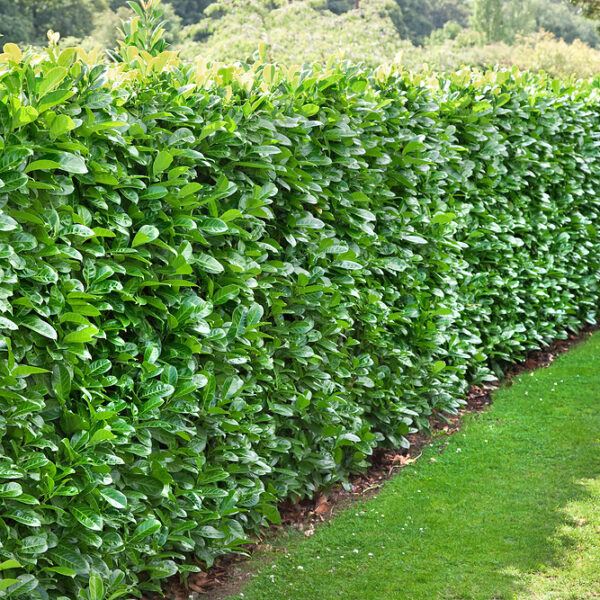
| Cherry laurel | April to August | 1 to 2 times per year | Use secateurs to avoid slicing large leaves; grows fast in summer. |
| Portuguese laurel | April to August | 1 to 2 times per year | Similar to cherry laurel but slower growing; tolerates harder cuts. |
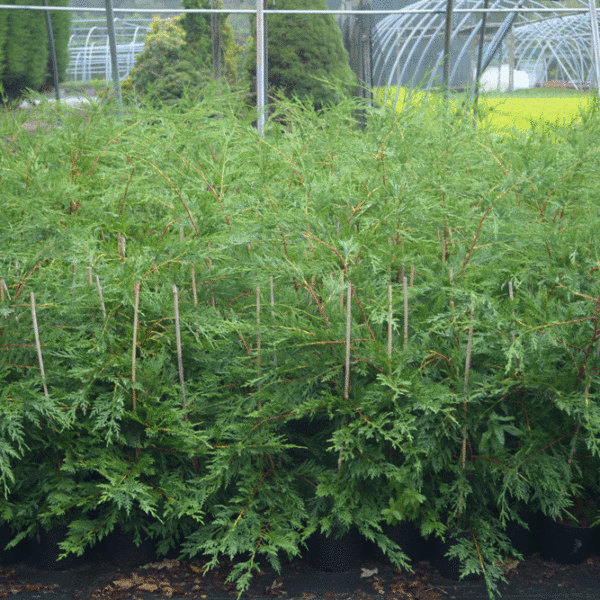
| Green Leylandii | April to August | 2 to 3 times per year | Never cut into old brown wood; it will not regrow. |
| Castlewellan Gold | April to August | 2 to 3 times per year | Same rule as green Leylandii; golden foliage needs full light. |
| English yew | June to September | Once per year | Can regrow from old wood; renovation possible but slow. |
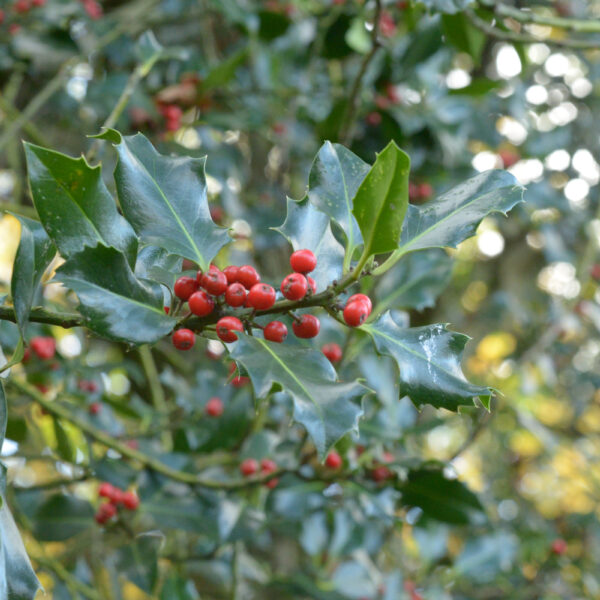
| English holly | July to September | Once per year | Spiny leaves; wear gloves. Slow growing; avoid heavy cuts. |
| Box (Buxus) | June to August | 1 to 2 times per year | Trim on a dry, cloudy day to avoid leaf scorch. |
| Green beech | August to September | Once per year | Deciduous but holds brown leaves in winter; trim after growth hardens. |
| Common hawthorn | June to August | Once per year | Thorny; wear gloves. Can be renovation pruned in winter. |
| Privet | May to September | 2 to 3 times per year | Fast growing; tolerates hard cutting. Semi-evergreen in mild areas. |
How to trim a hedge safely and effectively
If you are learning how to trim a hedge, begin with one short section and check the shape from a few steps back. Keep the base slightly wider than the top so the lower branches receive light. Take off small amounts at a time, particularly with conifers that cannot recover from cutting into bare wood. For large hedges, consider spreading the work over two days to maintain concentration and safety.
- Check for nests every time you cut, even outside the main nesting season.
- Use sharp shears, secateurs or a hedge trimmer; blunt tools tear stems and leave ragged cuts.
- Trim the sides first, then the top, to avoid loose clippings sitting on the cut surface.
- Keep the base slightly wider than the top so light reaches the lower branches.
- Collect clippings from the base and dispose of them; do not leave them to smother the hedge or attract pests.
Is it okay to cut a hedge back hard
Can you cut a hedge back hard? Yew, privet, hawthorn and beech can recover from substantial pruning when the work is timed correctly. Leylandii is different: cutting beyond its green foliage can leave permanent bare areas. Identify the plant and check for nests before beginning renovation.
Deciduous hedges like hawthorn, beech and privet can be cut back hard in late winter or early spring while they are dormant. This encourages strong new growth from the base. Evergreen hedges are more variable. Yew is unusual among conifers in its ability to regenerate from old wood. A hard cut on yew in mid-spring can produce new shoots from bare branches, though recovery may take two or three years.
Leylandii and most other conifers do not regrow from brown, leafless wood. If you cut a Leylandii hedge back beyond the green foliage, that section will stay bare permanently. The only solution then is to let adjacent green growth slowly cover the gap, which can take many years, or to replace the affected plants.
Laurel hedges can recover from a hard cut, but the large leaves can look ragged if sliced with a hedge trimmer. Use secateurs for renovation work on laurel to make clean cuts just above a leaf node. The best time for hard pruning of laurel is mid-spring, after the risk of frost has passed.
- Safe to cut hard: yew, privet, hawthorn, beech (in dormant season).
- Cut with caution: laurel (use secateurs, mid-spring), holly (slow recovery).
- Avoid hard cuts: Leylandii, Castlewellan Gold, most conifers (will not regrow from old wood).
- Always leave some green growth on evergreens unless you are certain the species can regenerate.
Hedge cutting and the law: nesting birds
The most common legal question is "when can hedges be legally cut". The answer is that you can cut a hedge at any time of year, as long as you do not harm nesting birds. The Wildlife and Countryside Act 1981 protects active nests, not the hedge itself.
There is no single last day for cutting ordinary domestic hedges across the UK. However, in England, qualifying agricultural hedgerows are generally protected by a cutting ban from 1 March to 31 August, subject to specified exceptions. Other restrictions may apply to protected trees, conservation areas and particular sites. The legal requirement is to check for nests before cutting, regardless of the date. If you find an active nest, you must postpone work until the young have fledged and the nest is no longer in use.
To reduce the risk of disturbing nesting birds, carry out deciduous hedge renovation in late winter and consider early autumn for routine clipping where the species allows it. However, some birds, such as woodpigeons and collared doves, can nest well into September. Always inspect the hedge on the day you plan to cut.
If you employ a contractor to cut your hedge, they have the same legal responsibility. A reputable contractor will check for nests and may refuse to work if they find one. You cannot transfer the legal obligation by hiring someone else.
- No fixed hedge cutting season in UK law; the Wildlife and Countryside Act 1981 protects active nests.
- Check for nests every time you cut, including outside the typical March to August period.
- If you find a nest, delay cutting until the young have left and the nest is empty.
- The responsibility applies to homeowners and contractors alike.
Tools, clean-up and aftercare
Using the right tools makes the job safer and gives a cleaner cut. Hand shears are ideal for small hedges and give the most control. A powered hedge trimmer speeds up work on long or tall hedges but requires careful handling. Always wear eye protection and sturdy gloves. For holly and hawthorn, use gauntlet-style gloves to protect your forearms.
After trimming, clear all clippings from the base of the hedge. A thick layer of cuttings can block light and air, encouraging fungal problems. Rake up fallen leaves and stems, and check the ground for any debris that could harbour pests.
If you have cut a yew hedge, dispose of the clippings carefully. All parts of yew except the red aril (the fleshy part of the berry) are toxic to humans and many animals. Do not leave yew clippings where livestock, pets or children can access them. The same caution applies to laurel clippings, which contain cyanogenic compounds.
After a significant trim, water the hedge thoroughly if the soil is dry. A light mulch of well-rotted compost around the base (keeping it clear of the stems) helps retain moisture and feeds the plants. Avoid feeding with a high-nitrogen fertiliser immediately after a late summer trim, as this can encourage soft growth that is vulnerable to frost.
- Use sharp, clean tools; disinfect blades between hedges if disease is suspected.
- Wear eye protection, gloves and sturdy footwear.
- Clear all clippings from the base and dispose of yew and laurel waste safely.
- Water after trimming if the soil is dry; mulch to conserve moisture.
- Avoid high-nitrogen feeds after August to prevent frost-tender growth.
Common questions
When can hedges be legally cut?
You can cut hedges at any time of year in the UK, provided no active bird nests are present. The Wildlife and Countryside Act 1981 makes it an offence to damage or destroy a nest while it is in use or being built. Always inspect the hedge thoroughly before cutting, regardless of the date.
Is it okay to cut hedges in June?
It is not automatically illegal to cut hedges in June, but June falls within the main bird nesting season. The risk of disturbing an active nest is high. Inspect the hedge carefully before any work. If you find a nest, you must delay cutting until the young birds have fledged and left the nest.
When to cut hedges to avoid nesting birds?
The safest periods are late winter (for renovation pruning of deciduous hedges) and late summer to early autumn (for routine trimming). The main nesting season runs from March to August, but some birds nest outside these months. Always check the hedge on the day you plan to cut, even in winter.
What is the last day for hedge cutting?
There is no universal last cutting date for domestic garden hedges. You must avoid offences involving nesting birds, and additional rules may apply. In England, qualifying agricultural hedgerows generally cannot be cut from 1 March to 31 August, subject to specified exceptions. Check which rules cover your hedge before starting.
When can I cut my hedge?
You can cut your hedge whenever it needs it, provided no birds are nesting in it. For most species, routine trimming is best from late spring to early autumn. Renovation pruning of deciduous hedges is done in the dormant season, roughly November to March. Always inspect for nests first.
Is it okay to cut a hedge back hard?
It depends on the species. Deciduous hedges like hawthorn, beech and privet respond well to hard pruning in winter. Yew can regenerate from old wood. Leylandii and most conifers will not regrow if cut into brown, leafless wood. Always check the species' tolerance before cutting back hard.
How many times a year should I trim my Leylandii hedge?
A Leylandii hedge typically needs trimming two to three times a year to keep it neat. The main growing season is April to August. Regular light trims are better than one heavy cut, as Leylandii does not regrow from old wood. Never cut beyond the green foliage.
Can I trim a hedge while birds are nesting?
No, you must not trim a hedge if you find an active nest. Disturbing or damaging a nest is an offence under the Wildlife and Countryside Act 1981. Postpone the work until the young have fledged and the nest is empty. Check again before restarting, as birds may nest again.