Check the species before the first cut
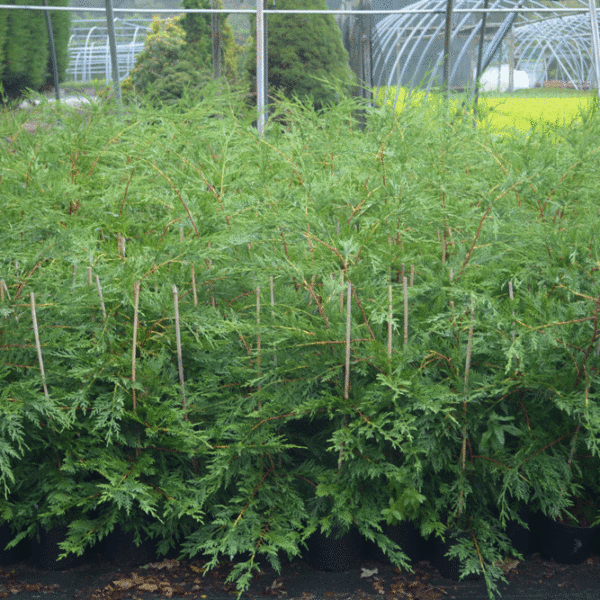
A young laurel, an established Leylandii and an overgrown yew need different treatment. Identify the hedge and decide the outline you want to keep before removing leading shoots or cutting into older branches.
Routine trimming shortens recent growth to hold the shape. Renovation is a larger reduction of an overgrown hedge and may leave bare stems while the plant recovers. Check whether the species can recover from that sort of cut before beginning.
Check for active birds’ nests
Inspect the hedge carefully before using shears, secateurs or powered tools. Nests can be hidden well inside dense growth, so check beyond the front surface. Postpone work that could affect an active nest until the birds have finished using it.
Where possible, plan routine trimming outside the main nesting period, then check again on the day. Birds can nest outside the usual season, so a calendar date alone does not establish that the hedge is clear.
Routine trimming for common garden hedges
The table covers routine care of established hedges. Take account of the plant’s condition, weather and nesting activity, and leave trimming until later if severe heat or drought is stressing the foliage.
| Hedge | Routine approach | Main caution |
|---|---|---|
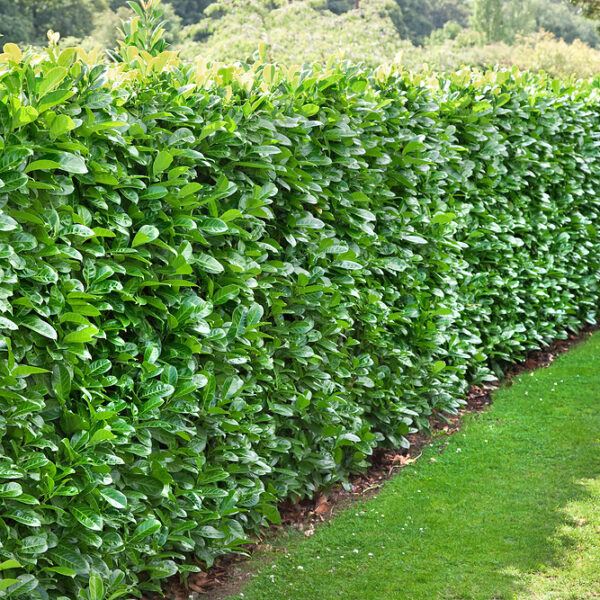
| Cherry laurel | Trim during the growing season to retain the chosen outline | Secateurs avoid slicing through its large leaves |
| Green Leylandii and Castlewellan Gold | Regular light trimming during active growth | Keep cuts within green foliage; bare old wood does not normally resprout |
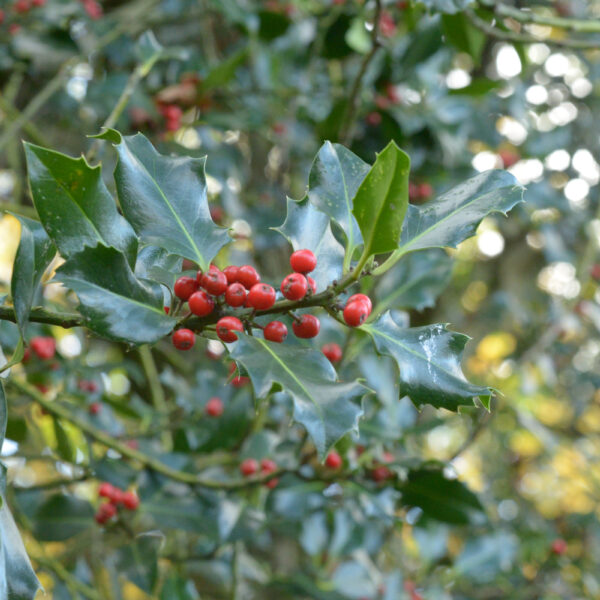
| Holly | A routine trim in late summer can maintain a formal hedge | Wear suitable protection against spiny foliage and check for nests |
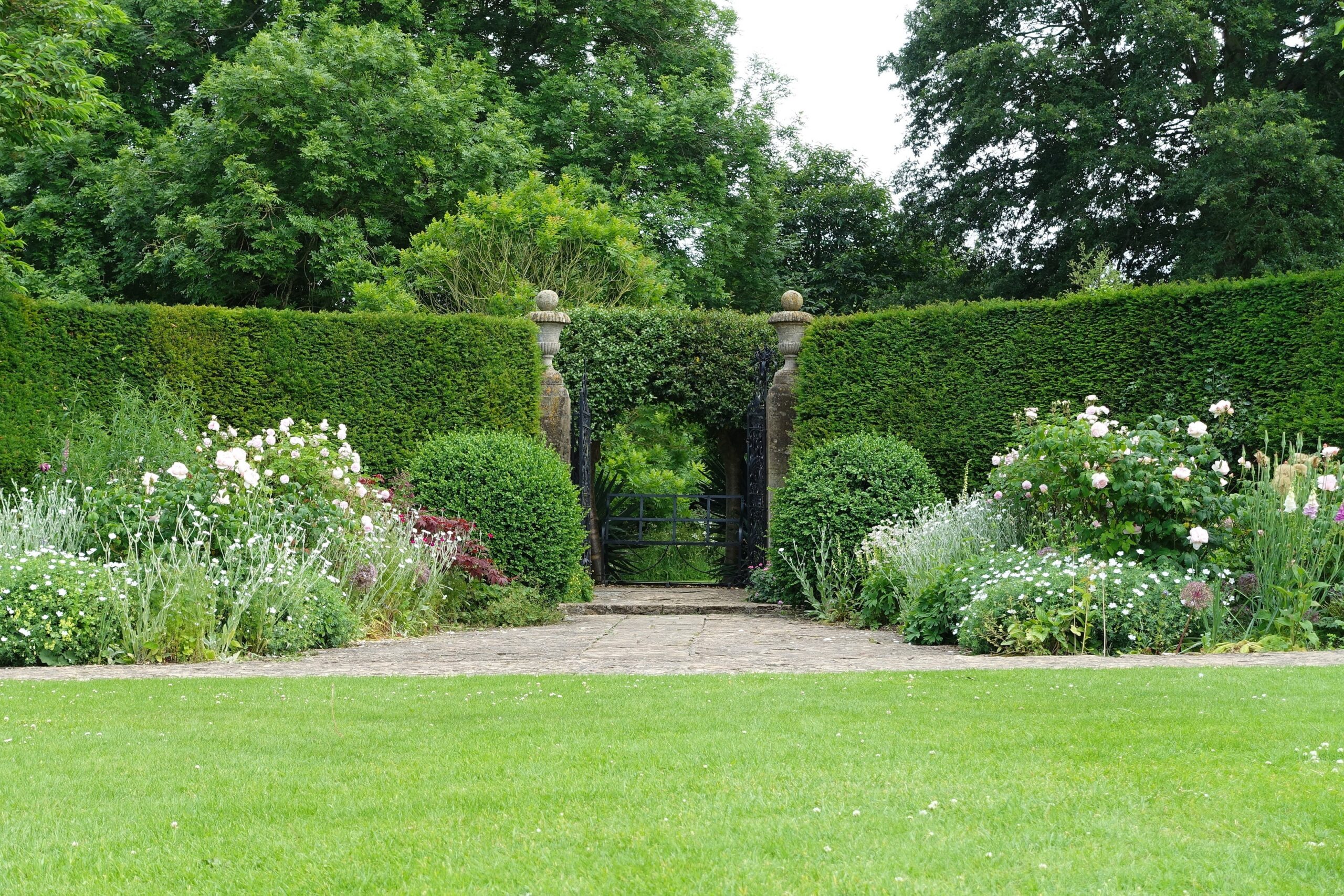
| Yew | Trim in summer or early autumn to maintain a neat outline | Major renovation is a separate job with a longer recovery period |
Keep the lower hedge in the light
A hedge that is a little wider at its base than at the top allows more light to reach the lower growth. Avoid repeatedly trimming the front straight upward while allowing the top to widen out. Over time, the upper branches can shade the lower surface.
Use a line or another clear reference for an even finish, and step back regularly to check from both ends. Cut small amounts at a time. Removing an extra strip to correct an uneven cut can quickly take you past the leafy surface, especially on conifers.
Training a new hedge
Young plants need training for their species and the shape of the future hedge. For many evergreens, including conifers, the leading shoot is left to develop towards the required height while the sides are managed to encourage density. Cutting every top level at planting can interfere with that training.
Some deciduous hedge species need a different early pruning approach. Check the advice for the plant you have bought and allow for any pruning already carried out in the nursery. Our species guides and product care notes can help you plan the first cuts.
Reducing an overgrown hedge
Leylandii and most other common hedge conifers do not reliably regrow from bare old wood. A hard cut into the brown interior can leave a side that stays bare. If you need to reduce a large conifer hedge, get advice on the amount of green growth available before cutting.
Yew can regenerate from older wood, but a major reduction still takes time to recover. Consider the health of the hedge and the amount to remove. Spreading renovation over several seasons may be more suitable than cutting all sides at once.
Tools, clippings and the finished outline
Use sharp tools and a stable working position. Where height or access makes the job awkward, arrange suitable help. Collect clippings from the base of the hedge so they do not smother growth, and keep them away from animals. Yew clippings are toxic if eaten.
Step back as you work to check the outline from both ends. If brown patches appear, look at the pattern and recent growing conditions as well as the cuts. Drought, excess water, pests and cutting damage can give similar symptoms. For advice, send photographs of the full hedge and explain when and how it was trimmed.
Common questions
Can I trim a hedge while birds are nesting?
Delay work that could affect an active nest. Always check before cutting, including outside the main nesting period.
Why has a conifer hedge stayed brown after trimming?
Cutting behind the green foliage can leave branches that do not regrow, particularly on Leylandii. Brown patches can also have other causes, so consider growing conditions and the pattern of damage.
Should I cut the top off new Leylandii plants straight away?
Not as a general rule. Training usually retains the leader until the intended height is reached while managing side growth. Check the supplied plants and the intended outline before cutting.