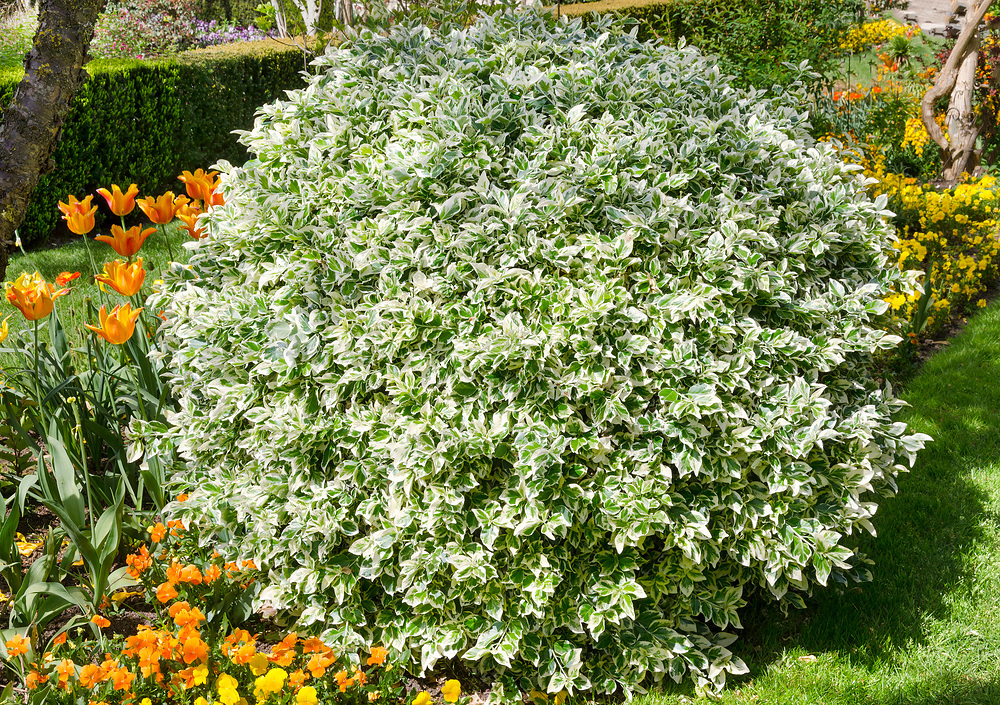
Emerald Gaiety is a compact evergreen shrub to compare for a low border where a tall screen is unnecessary. Check its mature spread against the bed and keep it clear of entrances. Its variegated foliage suits a consistent planting line.
View plants and sizesSectors we supply
Office hedging for commercial premises and business sites
A low hedge beside an office entrance can define the path without hiding the reception door. Around a staff seating area, taller evergreen planting may provide privacy from a neighbouring building. Before choosing plants, look at how people and vehicles move around the premises and identify the views that must remain open.
Compare hedge plantsCompare plants for your project
All hedge plantsStart with the site conditions and intended height. Compare the supplied size and minimum quantity before you order.
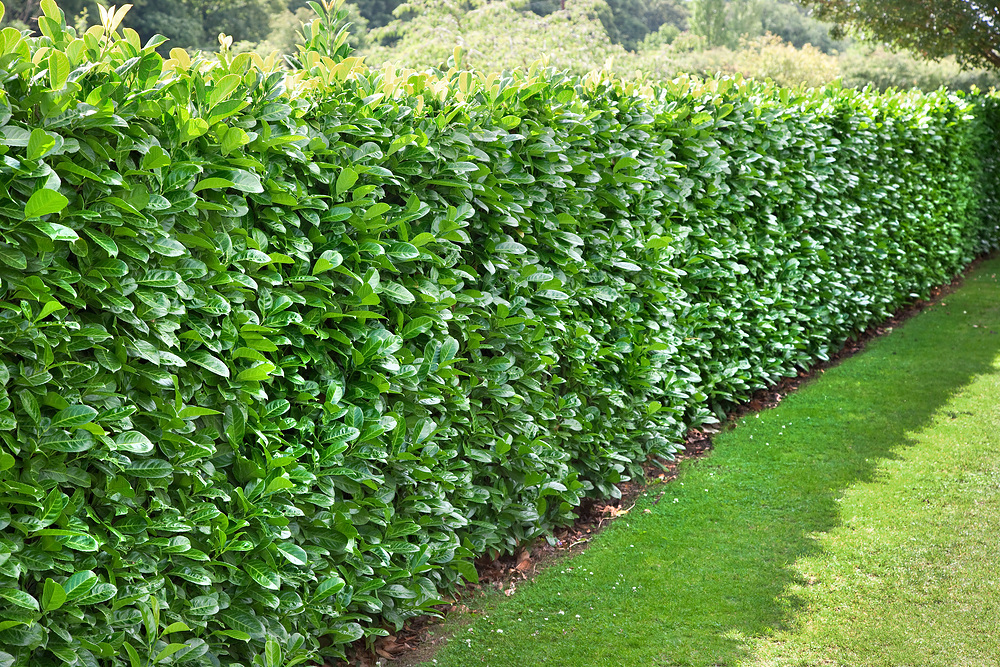
Compare cherry laurel for an evergreen boundary beside a staff area or service space with sufficient soil width. Allow access to control its broad growth. Check the eventual hedge against neighbouring land, signs and the site’s security sightlines.
View plants and sizes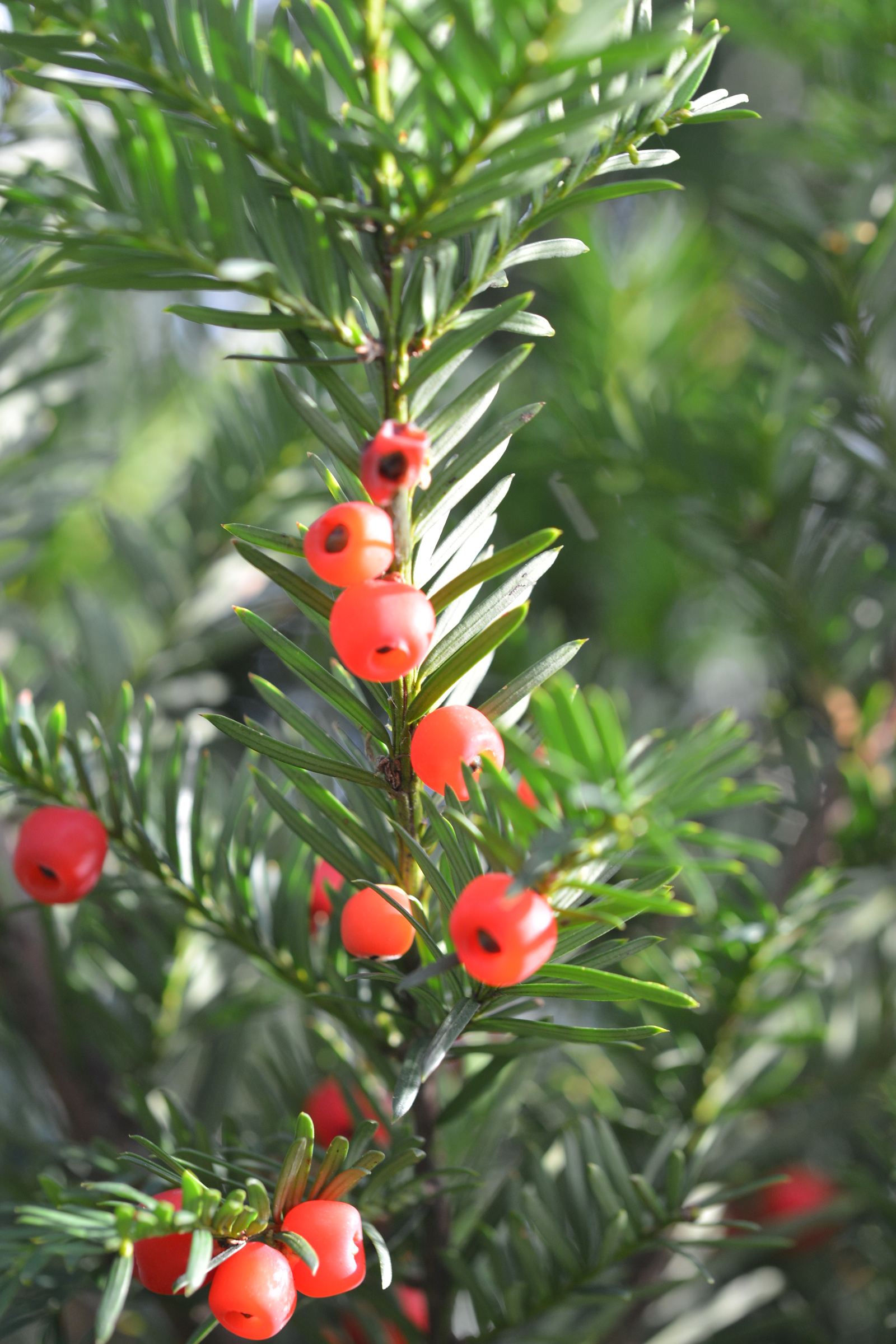
Yew can suit a formal boundary where the ground drains well and regular clipping is planned. Assess access to the planting and disposal of cuttings because it is toxic if eaten. It should be chosen for the individual site, not appearance alone.
View plants and sizesWalk the site during a busy period. Note where customers enter, staff cross the forecourt and delivery vehicles stop. Keep planting low around doors, crossings and signage. Where a service area or seating space needs screening, measure the available width before considering larger plants such as cherry laurel or English yew.
Plan entrance hedging that keeps sightlines clear
Stand at the point a first-time visitor reaches the premises and look towards the entrance, any signage and the reception window. Choose a maintained hedge height that leaves these features fully visible. Remember that branches spread beyond the planting line as the hedge fills out, so allow extra width beside narrow paths and doorways. Even a compact Euonymus can spread well beyond its original pot width, so leave room for its mature growth and for trimming.
Low, compact shrubs work well for defining a border without enclosing the approach. Use the same plant along a continuous frontage where a uniform appearance is needed, then treat a shaded return or a narrow corner according to its own light and soil conditions. Avoid planting right up to the edge of paving if that leaves no space to trim the face of the hedge cleanly.
- Match the maintained height to the sightline from a visitor’s eye level
- Allow at least 50cm of working width beyond the mature face of the hedge
- Keep reception windows, doorways and signage fully visible
Position screening where staff need privacy
A staff seating area often benefits from a screen on the side that faces a public path or a neighbouring window, while staying open towards the main building. Mark the seating position and look at the proposed hedge line from that exact spot. The height needed to hide a parked car may be quite different from the height needed to block an upstairs window, so define the problem before you pick a tall-growing species.
Service yards and refuse areas need clear access for staff, collections and cleaning. Draw the working space on a plan and set the hedge outside it. Where security cameras, lighting or controlled entrances are already in use, check that future growth will not block them. The planting should support the way the site is supervised, not create blind corners.
Match the plant to the width you can spare
Cherry laurel makes a broad evergreen screen, so reserve it for areas where that scale is appropriate and there is enough soil width. Yew is worth comparing for a formal clipped line on well-drained ground. For a lower frontage border, compact Euonymus cultivars can work well, but check the mature spread of the specific variety against the available bed. Euonymus may need only light shaping, while vigorous cherry laurel requires more space and more frequent attention to its width.
Assess the soil in every bed, including any newly created strip beside paving. Look for buried rubble, surface compaction and spots that stay wet after rain. Record the sunlight and exposure too. A species chosen for its appearance still has to establish in that particular soil, and repeated replacements will not fix an unresolved ground problem.
| Species | Typical maintained hedge height | Approximate mature width | Suitable for narrow beds |
|---|---|---|---|
| Euonymus Emerald Gaiety | 60cm to 1m | 1m to 1.2m | Yes, with regular trimming |
| Cherry laurel | 1.5m to 3m+ | 2m to 3m | No, needs space to develop |
| English yew | 1m to 2.5m+ | 1.5m to 2.5m | Yes, if clipped formally |
Choose a hedge your grounds team can maintain
Agree the trimming access, collection of clippings and working times before you plant. On a busy frontage the team may need to work around opening hours or set up a protected pedestrian route. Leave enough space to maintain both faces of the hedge without relying on access through an adjoining business that has not been formally agreed.
Give one person responsibility for checking new plants between routine grounds visits. During warm, dry spells, young plants may need watering between scheduled grounds visits, including when the premises is closed. Keep the planting plan and product information in the premises file, so a new facilities manager can identify the plants and continue the same care routine.
Questions about business premises
Which hedge is best for security?
A dense, thorny or stiffly branched hedge can deter casual intrusion. Common hawthorn is a traditional choice for a rural business boundary, forming a stock-proof barrier with sharp thorns. For urban sites, English holly offers prickly evergreen foliage that is hard to push through. Both need regular trimming to keep the lower branches tight. Cherry laurel provides a thick visual screen but has no thorns, so it works best alongside other security measures such as lighting and cameras.
What is the lowest maintenance hedge for a business site?
Low maintenance usually means a hedge that needs trimming only once a year and does not cast heavy shade or drop sticky debris. English yew is slow growing and holds a formal shape with one annual clip. For a lower border, Euonymus Emerald Gaiety or Emerald 'n' Gold need a light trim to keep them neat but rarely demand heavy cutting. Avoid fast-growing conifers such as Leylandii in small frontages, because they need two or three cuts a year to stay manageable.
Can you supply plants for a planning condition landscaping scheme?
Start with the approved planting schedule and check every required species, height, root type and quantity against the listed options. If a specified plant or size is unavailable, obtain approval for any substitution before ordering. Bare root hedging is normally supplied and planted during the dormant season, roughly November to March.
Do you invoice businesses?
Contact us with your company details, plant list and quantities if your purchasing team needs to discuss payment documentation or a formal quotation. Check the prices and ordering units shown for each selected product, and confirm any invoicing requirements and delivery charges before placing the order.
Which hedge is suitable outside an office entrance?
Begin with the space and view of the entrance. A low shrub border may be sufficient where the purpose is to mark a path. Compare compact plants with the maintained height you need, leaving signs, doors and reception sightlines clear.
Can a hedge screen bins at business premises?
A hedge can provide a visual screen if it has enough space to grow and be maintained. Keep the collection route, lid-opening space and access for cleaning clear. Measure the whole working area before setting the planting line.
Will evergreen hedging provide immediate privacy?
That depends on the size and density of the plants supplied and their spacing. Young stock will need time to fill out. Compare the actual supplied sizes rather than assuming the photograph shows the appearance the hedge will have on arrival.
What should we consider on a shared business site?
Confirm the planting boundary, maintenance responsibility and access with the site manager or other occupiers. Check that the hedge will not narrow a shared route or obstruct visibility. Record the agreed finished height and width so future maintenance stays consistent.