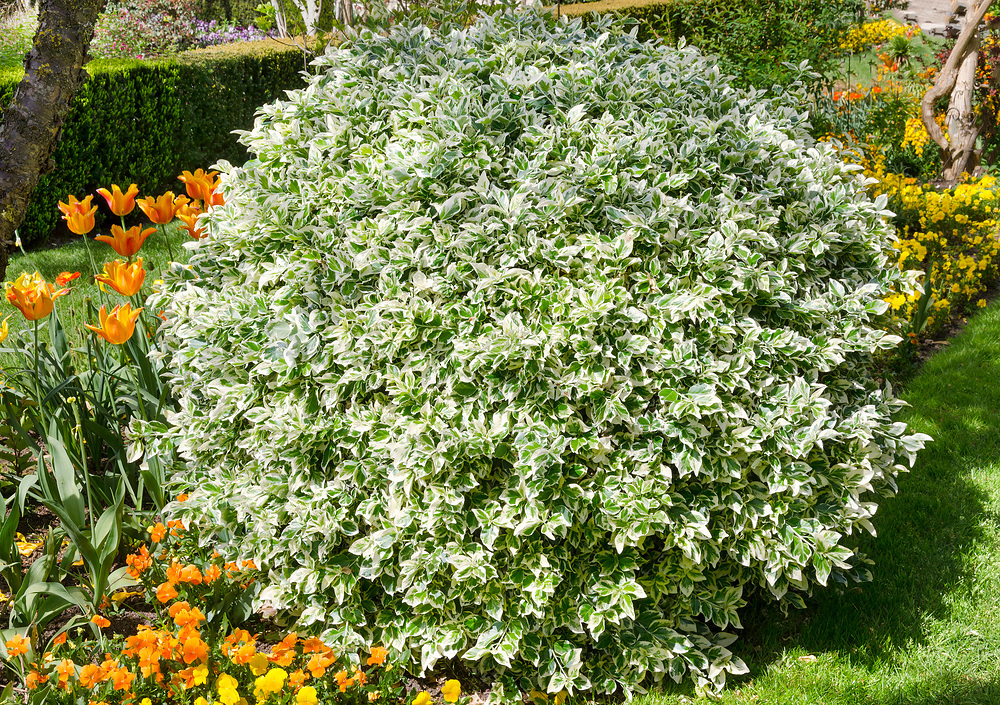
Compact evergreen with good salt tolerance, ideal for low borders beside bays and paths. Keep it trimmed to 40 to 80cm and check the bed width allows for its spread.
View plants and sizesSectors we supply
Car park hedging: boundaries, sightlines and low-maintenance planting
Low hedging can define parking bays and pedestrian paths without hiding approaching vehicles. Along an outer boundary, taller evergreen planting may provide privacy and some shelter from the wind. The planting position, eventual width and maintenance height need to suit the layout of the car park, particularly around entrances and crossings.
Compare hedge plantsCompare plants for your project
All hedge plantsStart with the site conditions and intended height. Compare the supplied size and minimum quantity before you order.
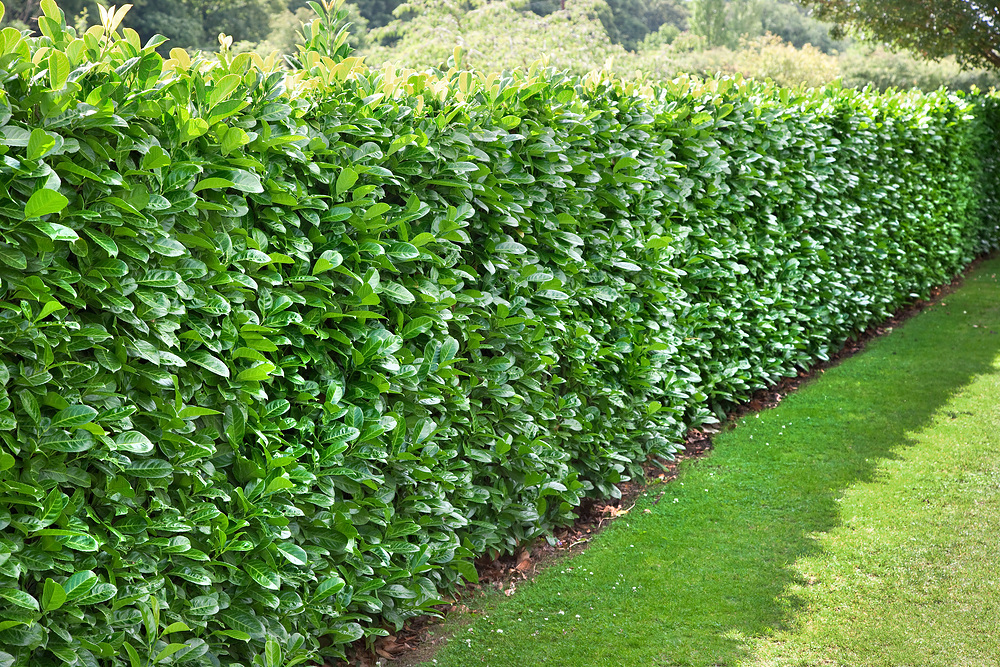
A fast, broad evergreen screen for wider perimeters. Needs room for its spreading growth and access to trim both faces. Keep it well back from sightlines and crossings.
View plants and sizes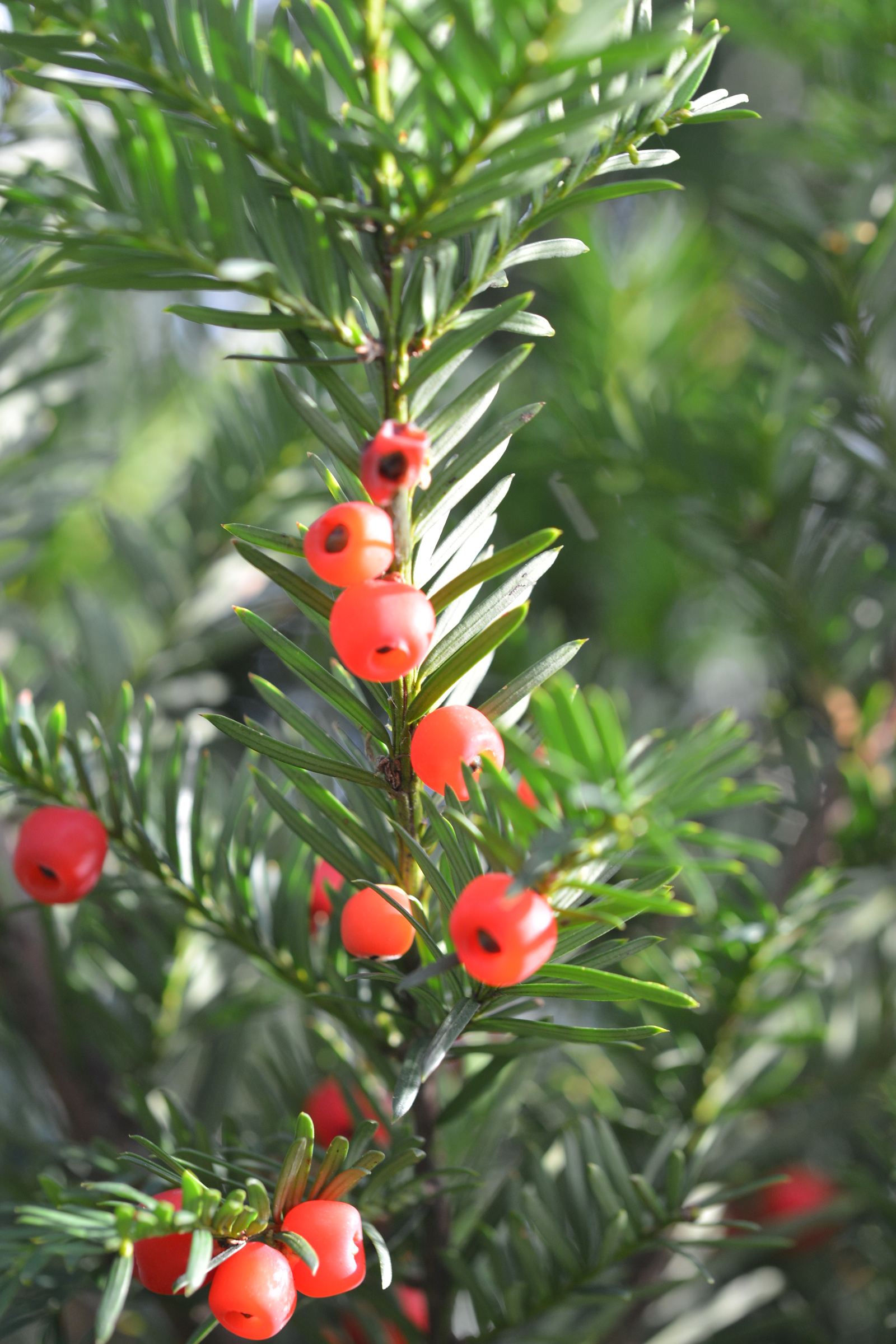
Slow-growing, clipped formal boundary for well-drained soil. Avoid heavily salted edges. Toxic if eaten, so account for public access and disposal of clippings.
View plants and sizesStart by marking every entrance, exit, crossing and camera view on a plan. A hedge that sits in a visibility splay can hide a child or a wheelchair user from a driver, so the maintained height and width must stay within the limits agreed with the site designer or highways authority. Where a clear view is essential, a hedge may not be the right answer at all.
Plan the working car park as well as the planted edge. Allow room for car doors, vehicle overhang and people walking beside bays. A hedge is a living boundary, not a vehicle restraint, so keep any bollards, kerbs or barriers separate. Budget for regular trimming and inspection from the start: a hedge that grows into a sightline between visits creates a risk that is easy to avoid with a realistic maintenance schedule.
Which hedges work beside a car park
Car park planting often has to cope with heat reflected from paving, dry soil and occasional salt spray. No hedge will establish reliably in badly compacted or persistently waterlogged ground, so prepare the planting strip before choosing stock. Look for species that tolerate the site's exposure and can be trimmed to the required height and width.
Evergreens such as cherry laurel and Portuguese laurel retain foliage through winter, although trimming needs vary with the species and conditions. Common hawthorn can suit an outer rural boundary where winter leaf loss is acceptable. The table compares individual plants available from the range, including their likely uses and relative tolerance of roadside exposure.
| Species | Evergreen | Salt tolerance | Typical car park use | Maintained height range |
|---|---|---|---|---|
| Cherry laurel | Yes | Moderate | Perimeter screen, wide beds | 1.5 to 4m |
| Portuguese laurel | Yes | Moderate | Perimeter screen, narrower beds | 1.2 to 3m |
| English yew | Yes | Low | Clipped formal boundary | 0.8 to 2.5m |
| Euonymus Emerald Gaiety | Yes | Good | Low border, defined edges | 0.4 to 0.8m |
| Euonymus Emerald 'n' Gold | Yes | Good | Low border, brighter foliage | 0.4 to 0.8m |
| Green Leylandii | Yes | Moderate | Tall fast screen, large sites | 2 to 5m |
| Common hawthorn | No | Good | Rural outer boundary, wildlife | 1.5 to 3m |
| Privet | Semi-evergreen | Good | Urban boundary, frequent clipping | 1 to 2.5m |
How tall should a car park hedge be for visibility
There is no single safe height. The right maintained height depends on the layout, traffic speeds, ground levels and the sightline standards that apply to that entrance or junction. Ask the site designer or highways authority to confirm the permitted planting envelope before you order plants.
As a working guide, low hedges kept at 40 to 80cm can often work beside internal parking bays and pedestrian routes, because they sit below the eye line of a seated driver. Perimeter screens at 1.5m and above are usually placed well back from vehicle routes, behind a visibility splay or a service strip. Always check the view from a driver's seat and from a footpath, and allow for foliage growth between maintenance visits.
- Confirm sightline requirements with the site designer or highways authority
- Keep internal bay hedges low, typically 40 to 80cm maintained height
- Place taller perimeter screens behind a visibility splay or service strip
- Check views from both driver and pedestrian eye levels
- Allow extra trimming margin for growth between visits
How far from a kerb should a hedge be planted
A setback of 60 to 90cm from the kerb face to the main stem line may be a useful early planning allowance for some parking layouts, with 1.2m or more potentially needed around larger vehicles or faster roads. These are not universal safety clearances. Confirm the actual setback with the site designer, allowing for vehicle overhang, door opening, pedestrian space and the hedge's maintained width.
The finished width of the hedge matters as much as the planting line. A cherry laurel hedge trimmed to 1m wide needs a bed at least 1.2m across to give maintenance access behind it. If the available strip is narrower, choose a naturally compact shrub such as Euonymus Emerald Gaiety or a clippable upright like Portuguese laurel, which can be kept slimmer.
- Minimum 60 to 90cm from kerb face to stem centre
- Increase to 1.2m or more for larger vehicles or faster roads
- Allow bed width for the finished hedge plus maintenance access
- Choose compact or upright species for narrow strips
What is the lowest maintenance hedge for a car park
Low maintenance starts with choosing a species that naturally grows at roughly the size you need. A hedge that wants to reach 4m will fight you if you try to keep it at 60cm, demanding frequent cuts and producing woody, bare stems. Match the plant to the space.
Euonymus Emerald Gaiety and Emerald 'n' Gold are worth considering for low evergreen edging. Their variegated leaves brighten a planting strip, and light clipping can help maintain a compact shape. They offer some tolerance of coastal exposure, although direct road salt runoff and poor soil conditions can still damage them. Portuguese laurel is an option for a taller screen where there is sufficient width. It generally grows more slowly than cherry laurel, but trimming frequency depends on the maintained shape and local growing conditions. Yew is also slow-growing and can be clipped once annually, provided the soil drains well and the site is not heavily salted in winter.
Whatever you plant, the first two growing seasons need regular watering and weed control to get roots established. After that, a well-chosen hedge on a prepared bed should settle into a routine of one or two trims a year, with occasional checks for damage from vehicles or winter conditions.
| Species | Trims per year (typical) | Growth rate | Notes |
|---|---|---|---|
| Euonymus Emerald Gaiety | 1 to 2 | Slow to moderate | Very compact, good salt tolerance |
| Euonymus Emerald 'n' Gold | 1 to 2 | Slow to moderate | Brighter variegation, same habit |
| Portuguese laurel | 1 | Moderate | Narrower than cherry laurel, glossy leaves |
| English yew | 1 | Slow | Best on well-drained soil, avoid heavy salt |
| Cherry laurel | 2 | Fast | Needs width, good for large screens |
| Green Leylandii | 2 to 3 | Very fast | Only for large sites with regular maintenance |
Dealing with road salt, pollution and tough ground
Car park planting strips often suffer from compacted soil, poor drainage and winter salt spray from passing traffic or gritting. Before planting, break up any compacted layers and dig in organic matter to open the soil structure. If water remains in the planting strip after rain, investigate where it is coming from and whether the surrounding ground can drain. Improving the soil structure, correcting levels or installing properly designed drainage may be necessary. A layer of gravel at the bottom of a planting trench will not, by itself, solve waterlogging.
Species with waxy or leathery leaves tend to shrug off salt spray better than soft-leaved plants. Euonymus, privet and hawthorn all cope well with roadside conditions. Cherry laurel and Portuguese laurel are moderately tolerant but may show leaf scorch in very exposed salted locations. Yew is more sensitive and is best kept away from areas that receive direct salt-laden runoff.
Roadside dust can settle on foliage, particularly beside busy entrances. Inspect plants for leaf scorch, poor growth and damage after winter gritting rather than assuming every problem is caused by pollution. Keep mulch away from the stems, top it up as needed and maintain watering during dry spells while the roots establish.
- Break up compaction and add organic matter before planting
- Improve drainage if water stands after rain
- Choose salt-tolerant species for exposed roadside edges
- Rinse foliage occasionally in dry weather to remove grime
- Mulch annually to support soil health
Planting and spacing for car park hedges
Spacing depends on the species, the stock size and how quickly you need a continuous screen. The table below gives a practical guide for the hedging plants we supply. Measure each planting strip separately, deduct gaps for crossings and signs, and calculate quantities per section so the planting team can match the order to the drawing.
Bare root plants are supplied in the dormant season, roughly November to March, and are a cost-effective way to plant longer runs. Pot-grown plants can be planted at any time of year provided you can water them while they establish. For a car park, pot-grown stock often makes sense because planting can happen when the site is quiet, rather than being tied to winter weather.
| Species | Stock size example | Plants per metre (single row) | Plants for 5m | Plants for 10m | Plants for 20m |
|---|---|---|---|---|---|
| Cherry laurel | 60-90cm 2L pot | 2 to 3 | 10 to 15 | 20 to 30 | 40 to 60 |
| Portuguese laurel | 60-90cm 2L pot | 2 to 3 | 10 to 15 | 20 to 30 | 40 to 60 |
| English yew | 40-60cm bare root | 3 to 4 | 15 to 20 | 30 to 40 | 60 to 80 |
| Euonymus Emerald Gaiety | 2L pot | 3 to 4 | 15 to 20 | 30 to 40 | 60 to 80 |
| Green Leylandii | 60-90cm 2L pot | 2 to 3 | 10 to 15 | 20 to 30 | 40 to 60 |
| Privet | 40-60cm bare root | 4 to 5 | 20 to 25 | 40 to 50 | 80 to 100 |
| Common hawthorn | 40/60 bare root | 4 to 5 | 20 to 25 | 40 to 50 | 80 to 100 |
Questions about car parks
Which hedges tolerate road salt and pollution?
Euonymus, privet and common hawthorn all cope well with roadside salt spray and exhaust pollution. Their waxy or tough leaves resist scorch better than soft-leaved species. Cherry laurel and Portuguese laurel are moderately tolerant but may show leaf damage in very exposed salted locations. Yew is more sensitive and should be planted away from direct salt-laden runoff. A rinse with a hose during dry spells helps keep foliage clean.
How tall should a car park hedge be for visibility?
There is no universal safe height. Low hedges beside bays and paths are often kept at 40 to 80cm to sit below a seated driver's eye line. Taller perimeter screens at 1.5m and above should be placed well back from vehicle routes, behind a visibility splay or service strip. Always confirm the permitted planting height with the site designer or highways authority for each entrance, exit and crossing.
How far from a kerb should a hedge be planted?
Plant the stem centre at least 60 to 90cm back from the kerb face. Increase that to 1.2m or more where larger vehicles or faster traffic are expected. The finished hedge width also needs room: a 1m-wide hedge requires a bed at least 1.2m across to allow maintenance access behind it. For narrow strips, choose a compact or upright species that can be kept slimmer.
What is the lowest maintenance hedge for a car park?
Euonymus Emerald Gaiety and Emerald 'n' Gold are compact evergreen shrubs that can often be maintained with one or two light trims a year. They have some tolerance of exposed conditions but still need properly prepared, free-draining soil and protection from concentrated road salt runoff. For a taller boundary, Portuguese laurel is slower-growing than cherry laurel and usually needs just one annual trim. Yew is also low maintenance once established on well-drained soil, provided it is not exposed to heavy winter salt. The key is matching the species to the space so you are not fighting its natural growth habit.
Can hedging replace bollards or vehicle barriers?
No. A hedge is a living boundary and should not be relied on to stop or redirect a vehicle. Keep any specified bollards, kerbs, barriers or traffic-management measures as separate parts of the car park design. Position the planting so it does not obstruct those safety features or prevent them from working as intended.
How do we calculate plants for several parking strips?
Measure each planting strip separately and record gaps for crossings, signs, lighting columns and access points. Apply the recommended spacing for your chosen species and stock size to each length. Keep quantities grouped by area on the order so the planting team can match the delivery to the landscape drawing without confusion.
When is the best time to plant a car park hedge?
Pot-grown hedging can be planted at any time of year as long as you can water it regularly during establishment. Bare root plants are only available in the dormant season, roughly November to March, and are a cost-effective choice for longer runs. For busy car parks, pot-grown stock often suits better because planting can be scheduled when the site is quiet.