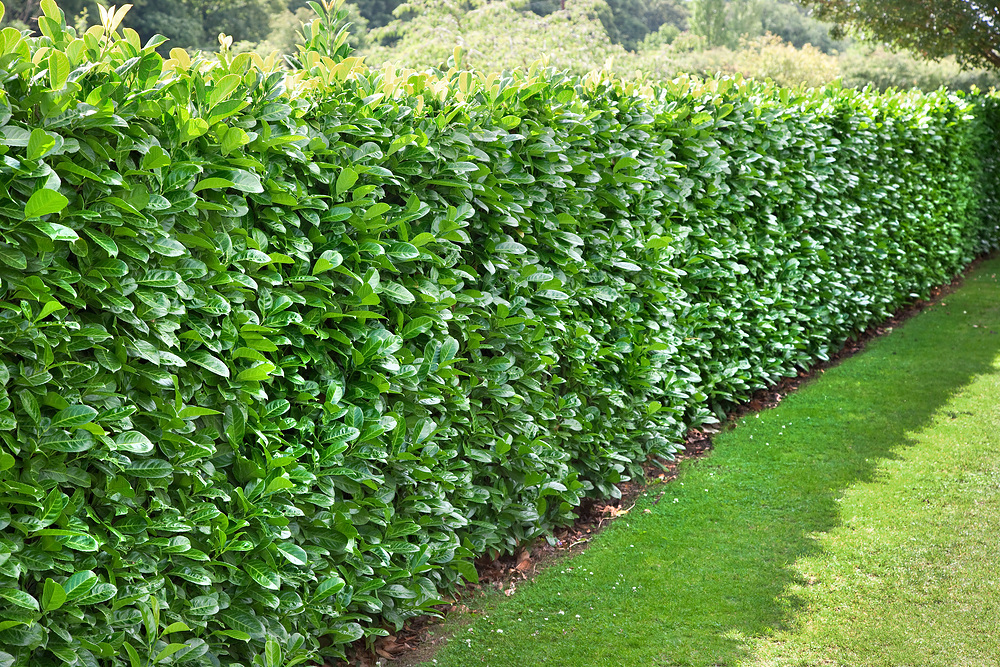
Compare cherry laurel for broad evergreen boundaries on suitable ground where there is enough space for its spreading growth. Allow access for maintenance on both faces. It should not be chosen for a narrow pitch divider simply because small plants initially leave plenty of room.
View plants and sizesSectors we supply
Hedging for holiday parks and campsites
A low hedge between pitches can mark out individual spaces without cutting off the view, while taller planting may help screen a park's perimeter. Leave clear sightlines around touring vehicle entrances, keep pedestrians away from manoeuvring areas and allow enough room for mowing and hedge trimming.
Compare hedge plantsCompare plants for your project
All hedge plantsStart with the site conditions and intended height. Compare the supplied size and minimum quantity before you order.
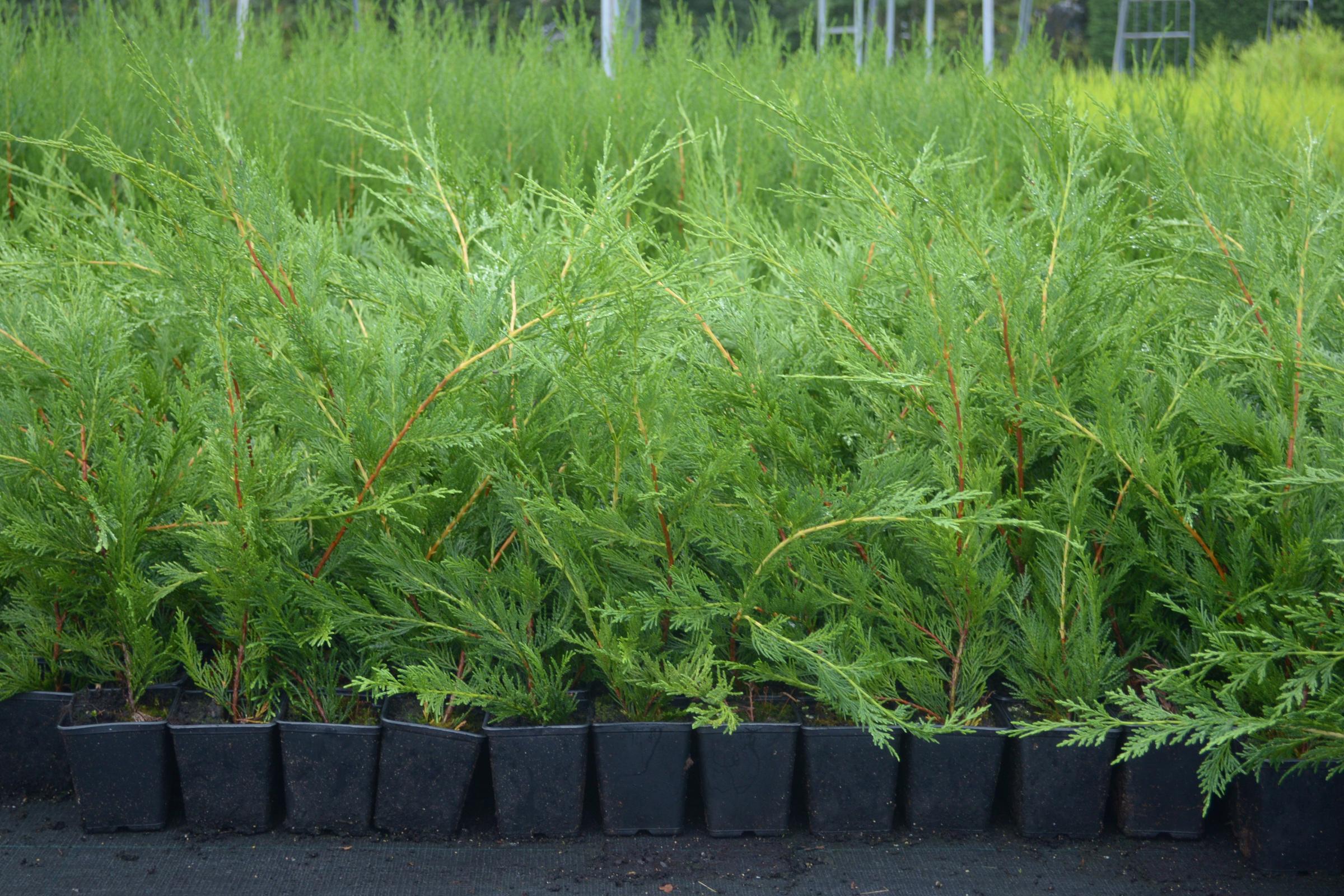
Leylandii is an option to assess for larger evergreen perimeter planting, with a regular trimming commitment. Check exposure and available width for the particular run. Avoid planning a hedge that will need to be cut back into bare wood to remain within its allotted space.
View plants and sizes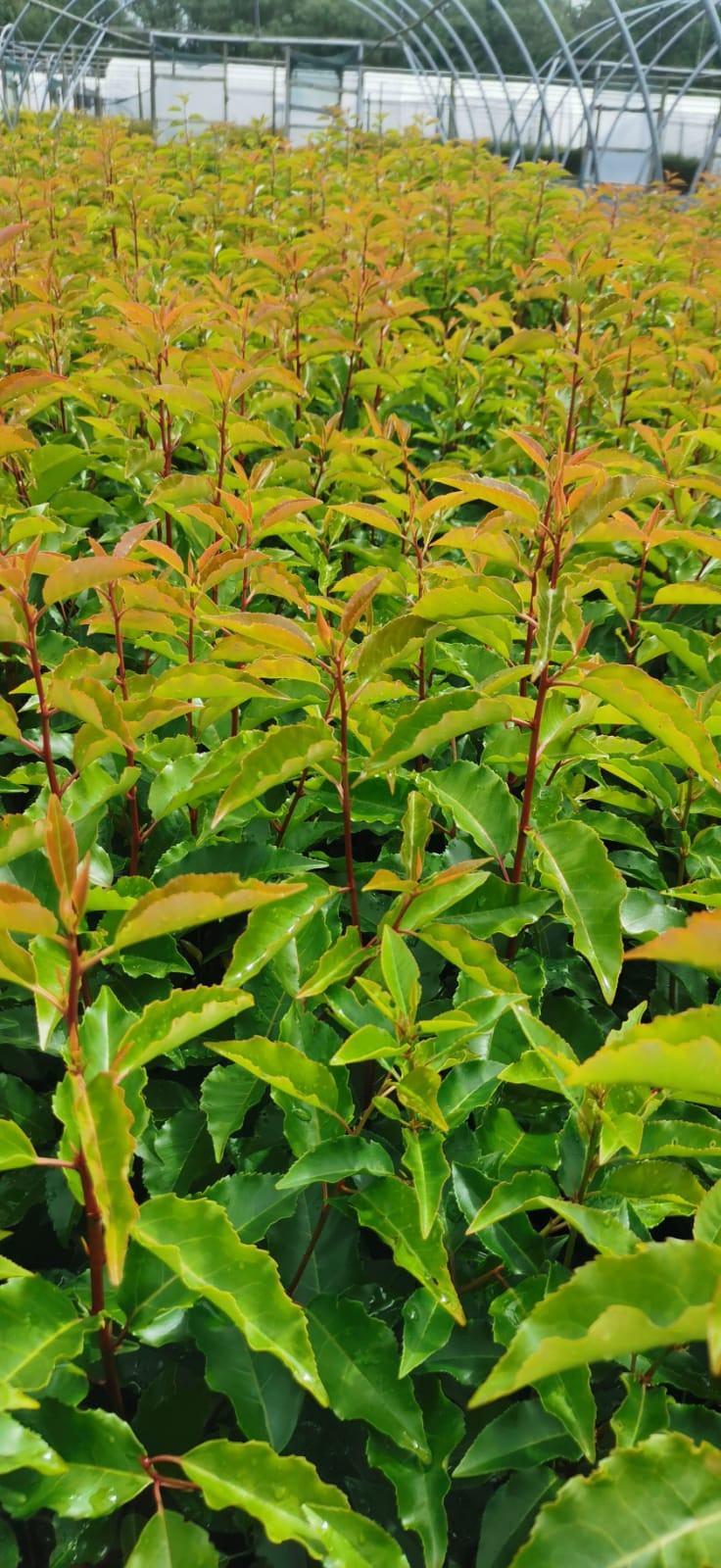
Portuguese Laurel
Check the range for availability.
Portuguese laurel has a neater habit than cherry laurel and copes better with drier soils once established. Its smaller, darker leaves give a finer texture. Check the supplied sizes and allow the same access for trimming as any broadleaf evergreen.
View plants and sizes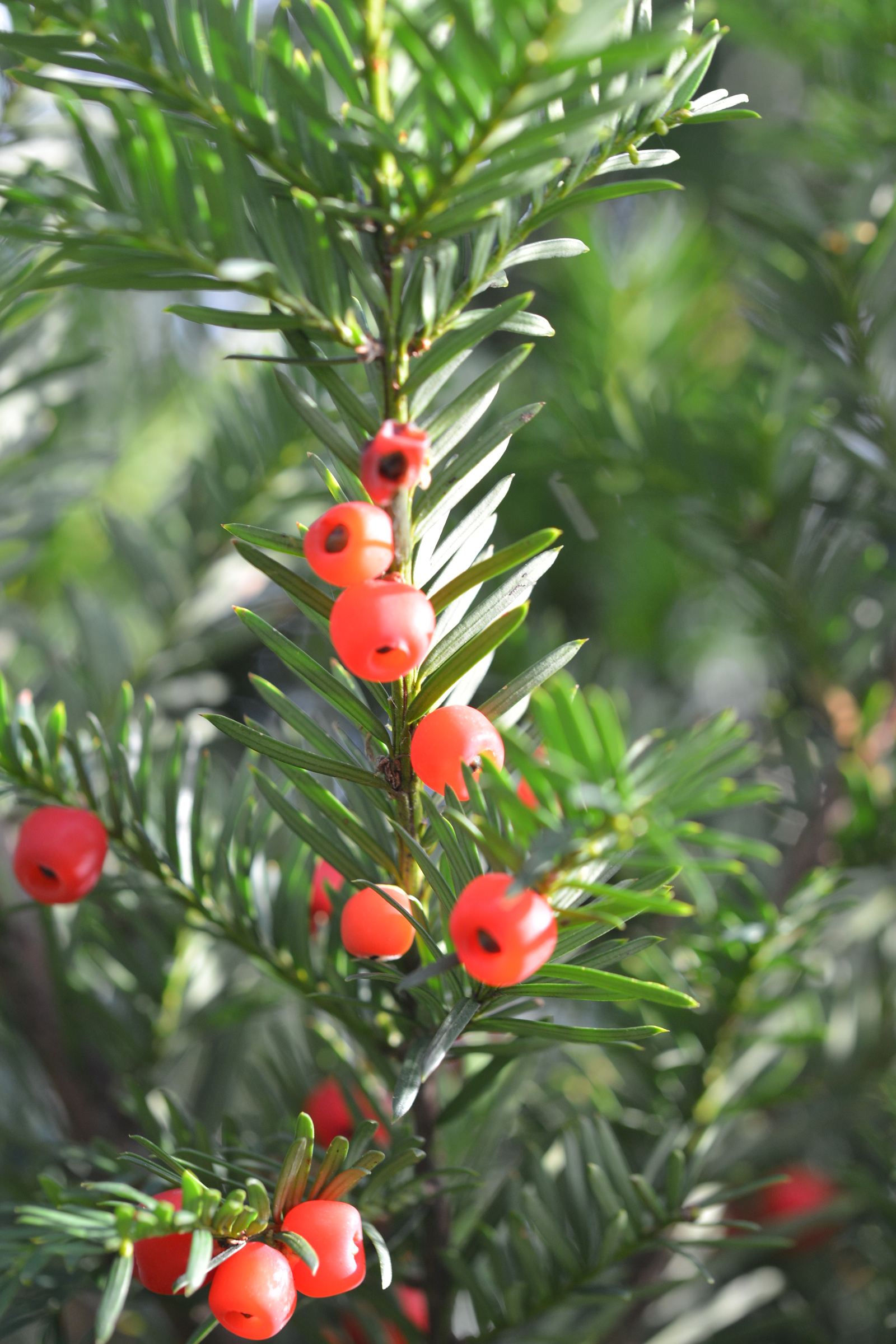
English yew makes a dense, long-lived formal hedge that can be kept narrow with regular clipping. It tolerates shade well. Note that all parts are toxic to livestock, so keep it away from grazing areas and inform grounds staff.
View plants and sizes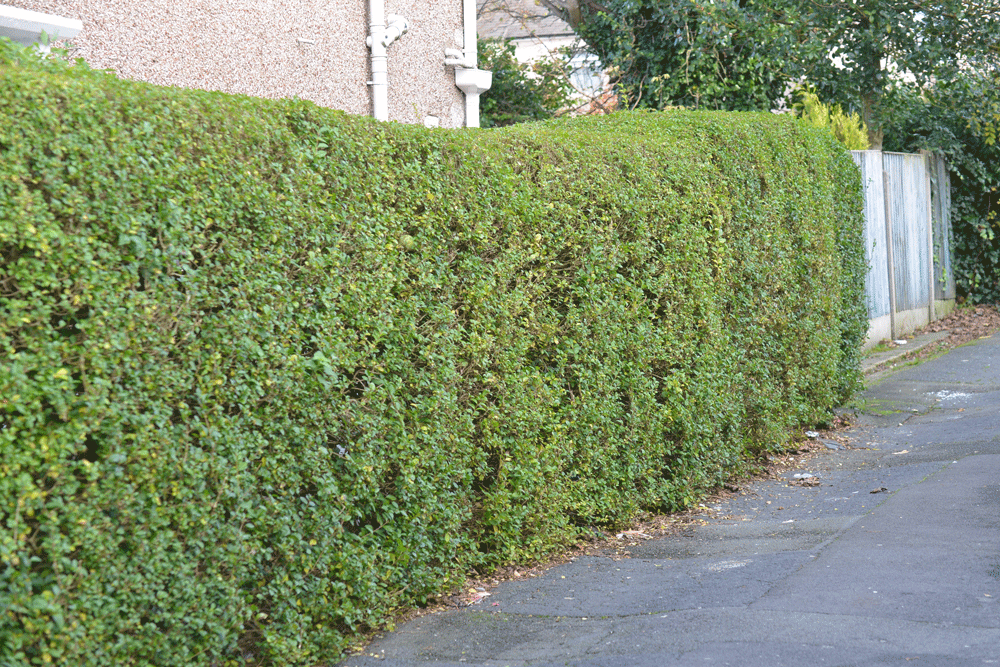
Privet
Check the range for availability.
Privet is a useful semi-evergreen choice for pitch boundaries where regular clipping is practical. Its small leaves and branching growth allow a fairly narrow, tidy hedge, although it may lose more foliage in cold or exposed conditions. Established plants generally respond well to renovation pruning. Bare root plants are available in the dormant season, roughly November to March, which helps with large orders.
View plants and sizesCommon hawthorn
Check the range for availability.
Hawthorn is a tough native option for exposed or coastal sites. It is deciduous but thorny, which can deter shortcuts across pitches. Plant bare root in the dormant season and trim after flowering to keep it bushy.
View plants and sizesMixed hebes
Check the range for availability.
Mixed hebes offer low, evergreen mounds with summer flowers. They suit coastal gardens and sheltered pitch borders where a formal hedge is not needed. Choose from several pack sizes to cover small or large areas.
View plants and sizesBefore selecting plants, mark the hedge line on the site's working plan. Keep access routes and required clear areas open, then assess the soil, exposure and available width. Compare the species, supplied sizes and quantity needed for each run before ordering.
Start with the park layout and operating requirements
A hedge should fit the operator's approved layout and any site conditions that apply. Caravan site licences can include layout requirements, so check the particular arrangements for your park before adding planting between units or moving a boundary. Do not choose a separation distance from a generic planting guide.
Keep fire access, emergency routes and required clear spaces free of planting. A hedge does not replace the site's fire precautions. On the working plan, show where vehicles turn, where pedestrians cross and where staff need an open view. Review those points at the hedge's intended mature dimensions.
Choose how much enclosure each area needs
A short hedge can mark a pitch without enclosing it completely, while a taller boundary may suit the outer edge of the park. Decide where guests need a garden feel and where staff need to see across the site. Keep entrance signs, wayfinding and turning areas readable.
Compare the supplied starting height with the finished effect you have in mind. Gaps between young plants will take time to close. For year-round foliage, compare compact English yew, the broader leaves of cherry laurel and the smaller, darker foliage of Portuguese laurel. Each needs enough growing room to stay within the planned boundary without obstructing neighbouring pitches.
Check different parts of the park separately
A sheltered reception garden and an open touring field can have very different conditions. Note wind exposure, shade, drainage and the soil beneath the grass. On coastal sites, consider the actual exposure to salt-laden wind rather than assuming a plant that grows inland will suit every pitch.
Check which established hedges are growing well in similar parts of the park. Look for wind scorch, sparse growth, waterlogged ground and sections where roots compete with existing trees before choosing the species. Where a hedge runs across several soil conditions, deal with those differences before ordering one long row. Keep the planting strip separate from the area vehicles use so young plants have space to establish.
Make the care practical during the busiest months
Pitch hedges create many separate runs to water, weed and trim. Count the access gaps as well as the total hedge length when planning the work. Leave a sensible route for grounds equipment and a way to reach both faces without using occupied pitch space unnecessarily.
Allocate establishment checks before the first guests arrive. Plants can need water during dry weather even when the grass still looks green, so check the root area. Record the intended height for each zone and review growth before branches narrow paths or obscure the view at road junctions.
Quick guide to spacing and quantities
Use the table below as a starting point for common hedging choices. Spacing per metre depends on the size supplied and how quickly you need a closed screen. A double staggered row can produce a deeper, denser hedge, provided the bed has enough width. It uses more plants than a single row, so calculate quantities using the double-row figures rather than simply doubling the single-row total.
Measure each run in metres, subtract openings and multiply by the plants per metre for your chosen species and size. Check the final quantity against the available product sizes and root types, and consider allowing a small number of spare plants where replacements may be needed during establishment.
| Species | Supplied height | Root type | Plants per metre (single row) | Plants per metre (double row) | For 10m run (single row) |
|---|---|---|---|---|---|
| Cherry laurel | 40 to 60cm | 9cm pot | 3 to 4 | 6 to 7 | 30 to 40 |
| Cherry laurel | 60 to 90cm | 2 litre pot | 2 to 3 | 4 to 5 | 20 to 30 |
| Cherry laurel | 90 to 120cm | 2 litre pot | 2 to 3 | 4 to 5 | 20 to 30 |
| Portuguese laurel | 40 to 60cm | 9cm pot | 3 to 4 | 6 to 7 | 30 to 40 |
| Portuguese laurel | 60 to 90cm | 2 litre pot | 2 to 3 | 4 to 5 | 20 to 30 |
| Green Leylandii (pot grown) | 40 to 60cm | 9cm pot | 2 to 3 | 4 to 5 | 20 to 30 |
| Green Leylandii (pot grown) | 60 to 90cm | 2 litre pot | 2 | 3 to 4 | 20 |
| Green Leylandii (pot grown) | 90 to 120cm | 2 litre pot | 1 to 2 | 2 to 3 | 10 to 20 |
| Green Leylandii (bare root) | 40 to 60cm | Bare root | 3 to 4 | 6 to 7 | 30 to 40 |
| Green Leylandii (bare root) | 60 to 90cm | Bare root | 2 to 3 | 4 to 5 | 20 to 30 |
| English yew | 20 to 40cm | Potted | 3 to 4 | 6 to 7 | 30 to 40 |
| English yew | 40 to 60cm | Bare root | 3 to 4 | 6 to 7 | 30 to 40 |
| English yew | 60 to 80cm | Rootball | 2 to 3 | 4 to 5 | 20 to 30 |
| English yew | 80 to 100cm | Rootball | 2 | 3 to 4 | 20 |
| Privet | 40 to 60cm | Bare root | 4 to 5 | 7 to 9 | 40 to 50 |
| Privet | 60 to 90cm | Bare root | 3 to 4 | 5 to 7 | 30 to 40 |
| Hawthorn | 40 to 60cm | Bare root | 4 to 5 | 7 to 9 | 40 to 50 |
| Hawthorn | 60 to 90cm | Bare root | 3 to 4 | 5 to 7 | 30 to 40 |
| Box (Buxus) | 20 to 40cm | Bare root | 5 to 6 | 9 to 11 | 50 to 60 |
| English holly | 30 to 40cm | 9cm pot | 3 to 4 | 6 to 7 | 30 to 40 |
Questions about holiday parks & campsites
Which hedge gives the quickest screen between pitches?
Green Leylandii can grow around 60 to 90cm annually in favourable conditions once established, while cherry laurel commonly makes around 30 to 60cm of annual growth. Both need sufficient width and regular trimming. Green Leylandii and cherry laurel are available at 90 to 120cm in 2 litre pots, with smaller sizes also offered. A double staggered row can help close gaps where space permits, but the time needed for a continuous screen depends on plant size, spacing and growing conditions.
Which hedges cope with coastal wind and salt?
Common hawthorn can cope with exposed positions, including some coastal sites, although severe salt spray and poor ground conditions can still damage young plants. Hebe Red Edge and some varieties in the mixed hebe packs tolerate coastal conditions, but their suitability varies by variety and exposure. They are better considered for low borders than tall pitch screens. Portuguese laurel can work in milder coastal areas with some shelter. Always check the actual exposure on each part of the park rather than assuming one plant suits the whole site.
When should a holiday park plant hedging to be ready for the season?
Plant container-grown hedging any time the soil is workable, ideally in autumn or early spring so roots settle before the main guest season. Bare root plants, such as privet, hawthorn and some yew, are only available in the dormant season, roughly November to March. Order early and have the planting strips prepared so the job can be done as soon as plants arrive.
Can you supply mixed native hedging for wildlife areas?
There is no pre-mixed native hedging pack in the current range, but you can order common hawthorn and English holly separately to create a varied boundary. Hawthorn provides spring blossom and autumn berries, while evergreen holly adds winter cover. Hawthorn is supplied bare root at 40/60 and 60/90, while English holly comes in 9cm pots at 30 to 40cm, 40 to 60cm or 60 to 80cm. Plant bare root hawthorn during the dormant season and allow adequate spacing for both species.
Can hedges be planted between caravan pitches?
Check the individual site's layout, licence conditions and fire arrangements before planting. The appropriate position depends on those requirements as well as growing space. Do not use a general hedge spacing recommendation to decide the separation between caravans or the width of an emergency route.
Will the same hedge work across the whole park?
Check each area. Open fields, sheltered lodge gardens and the entrance may have different soils, exposure and working widths. One species may fit several areas, but it should be chosen from those conditions rather than used to simplify the order at the expense of the planting.
How should we plan a phased hedge order?
Measure the usable length for each phase, deduct openings and use the agreed spacing for that species and size. Record quantities by zone and check minimum orders on the listings. Prepare each planting area and assign watering responsibility before the plants are brought into use.
Do you offer delivery on large commercial orders?
For a large commercial order, send us the planting postcode, preferred planting period and a list of species, sizes and quantities. Include any access restrictions for the site, particularly where deliveries need to avoid busy arrival areas or narrow internal roads. We can then discuss the available delivery arrangements and what your planting team needs to prepare before the plants arrive.