× Cuprocyparis leylandii
£1.65 per plant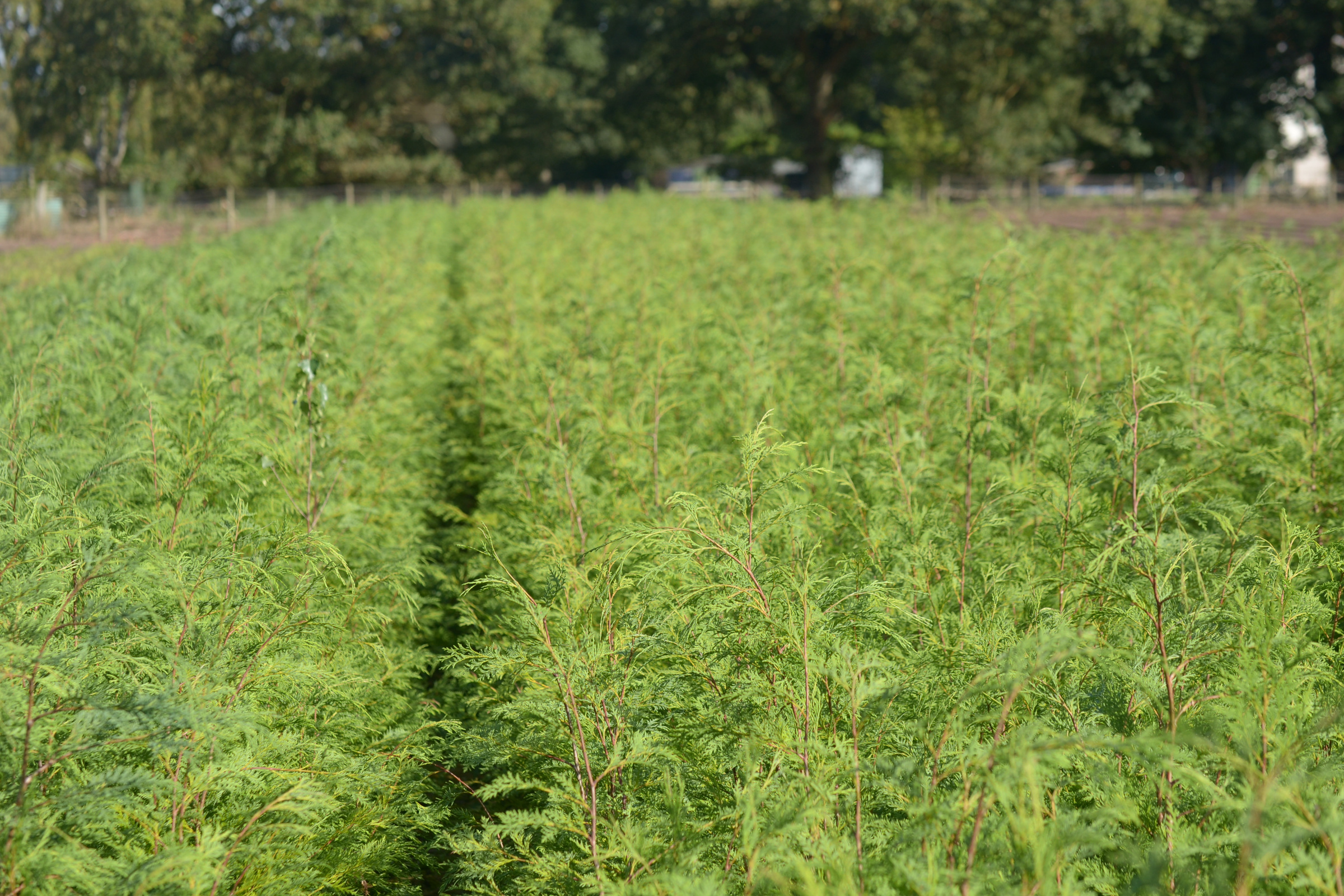
- UK Nursery Grown
- Planting Advice
Green Leylandii Bare Root Hedging Plants (× Cuprocyparis leylandii)
× Cuprocyparis leylandii
£1.65 per plant
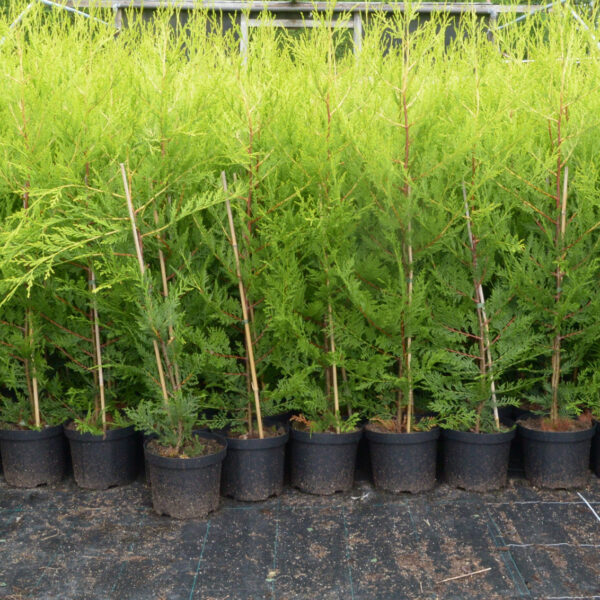
Bare root Leylandii is a cost-effective choice for a tall, dense evergreen hedge, particularly when planting a long boundary. Its fine, dark green foliage provides year-round screening, while the young plants establish their roots and begin to fill out. Trim regularly from the first year to develop a thick, manageable hedge.
- Fast-growing evergreen hedging for year-round privacy
- Soft sprays of fine, dark green foliage
- Bare root plants for economical winter planting
Step 1: Choose Your Root Type
Bare-root plants are lifted and sent in the dormant season, roughly November to March. Plant promptly and keep the roots moist. Ask about this plant
Understanding root types
- Bare root
- Lifted with little or no soil around the roots. Keep the roots moist and plant during the dormant season.
- Rootball
- Supplied with soil around the roots. Handle the rootball carefully and follow its planting instructions.
- Potted
- Grown in a nursery container. The pot size and supplied height are shown with each plant option.
Step 2: Choose Your Plant
Need help with your planting?Ask about sizes, root types and quantities
Position
Full sun to partial shade
Soil
Well-drained soil; avoid waterlogged sites
Supplied size
40-60cm, Bare root
Ordering
Minimum order 20
Description
Green Leylandii Bare Root Hedging Plants (× Cuprocyparis leylandii)
What is bare root Leylandii?
Bare root Leylandii is supplied without a pot, with the roots protected from drying out before planting. Its fine sprays of dark green foliage gradually knit together to form a thick evergreen hedge, giving privacy and shelter from the wind throughout the year. Bare root plants are lifted while dormant, usually between November and March, making them lighter to handle and generally less expensive than pot-grown alternatives. Once planted in prepared soil, they begin developing new roots before making stronger top growth as they establish.
Why choose bare root Leylandii for your hedge?
For a long boundary, bare root Leylandii lets you plant a substantial length of evergreen hedging without the higher cost of larger pot-grown plants. Young conifers are also easier to position and shape as the hedge develops. Begin trimming the sides early to encourage dense branching, keeping each cut within the green foliage. Leylandii rarely regrows from old, leafless brown wood, so an overgrown hedge cannot simply be cut hard back to its original width. Regular light trimming is much easier than correcting a hedge that has become too tall or wide.
Eventual height, spread and growth rate
Unclipped Leylandii can eventually exceed 30 metres, although a regularly maintained hedge is often kept between 2 and 4 metres tall. Once established, growth can reach 60 to 90cm a year in favourable conditions. A managed hedge may spread 1 to 2 metres across, depending on its age and how closely it is trimmed. Moist, well-drained soil and a sunny position encourage the strongest growth; heavy shade and prolonged dryness slow it down. Allow for the finished width when marking out your planting line, leaving enough room to reach both sides with the hedge trimmer.
Using Leylandii in the garden
Leylandii suits long boundaries, larger gardens and exposed plots where a tall evergreen screen can provide privacy and shelter. Its closely packed branches also help obscure neighbouring buildings and other unwanted views as the hedge fills out. Allow plenty of space around it: mature Leylandii casts considerable shade, and narrow borders can make trimming awkward. A distance of 2 to 3 metres from a house or wall may provide useful working space, although the right position depends on the intended hedge width, soil and nearby structures. For warmer foliage colour, Castlewellan Gold (golden Leylandii) has a similar upright habit with bright yellow-green growth.
Choosing a size
Our standard bare root Leylandii comes in three supplied sizes: 40-60cm, 60-90cm and 3-4ft. Smaller plants keep the initial cost down when covering a long boundary, while taller plants provide more height from the outset. All need time to develop roots and grow together into a continuous screen. Bare root Leylandii is a dormant-season product, generally available from November to March. For planting outside this period, pot-grown Green Leylandii is another option, provided the soil is suitable for planting.
| Option | Supplied size | Root type | Best for | Plants per metre (single row) |
|---|---|---|---|---|
| 40-60cm | 40-60cm | Bare root | Budget screens, long runs | 3 |
| 60-90cm | 60-90cm | Bare root | Good balance of cost and height | 2.5 to 3 |
| 3-4ft | 3-4ft (approx. 90-120cm) | Bare root | Tallest bare root option for faster screening | 2 |
Planting bare root Leylandii
Plant bare root Leylandii promptly after delivery, ideally between November and March while the plants are dormant. If the soil is frozen or waterlogged, temporarily heel the roots into damp compost in a sheltered spot until you can plant. Remove grass and weeds along the hedge line, then dig a trench wide enough for the roots to spread without bending. Position each plant at its original growing depth, using the soil mark on the stem as a guide. Backfill with loose soil, firm gently to remove air pockets and water thoroughly. A mycorrhizal treatment such as RHS Rootgrow can be applied according to the pack instructions when planting.
| Hedge length | Plants needed (40-60cm at 3 per metre) | Plants needed (60-90cm at 2.5 per metre) | Plants needed (3ft at 2 per metre) | Plants needed (3-4ft at 2 per metre) |
|---|---|---|---|---|
| 5 metres | 15 | 13 | 10 | 10 |
| 10 metres | 30 | 25 | 20 | 20 |
| 20 metres | 60 | 50 | 40 | 40 |
Watering and feeding
Give newly planted Leylandii a thorough watering, then check the soil regularly during dry weather for the first two growing seasons. Water slowly around the roots so moisture penetrates the soil rather than simply wetting the foliage. Keep a weed-free strip at least 30cm wide on either side of the hedge, as grass and weeds compete with young conifers for moisture. Apply a general-purpose granular fertiliser or suitable conifer feed in early spring, following the manufacturer's instructions. Finish with a layer of composted bark or well-rotted compost to help retain moisture, leaving the stems clear.
Trimming calendar
Plan routine trimming between April and late August, avoiding any active bird nests. Established Leylandii may need two or three light cuts during the growing season, particularly in favourable conditions. Keep the blades within the green foliage, as bare brown branches rarely produce fresh shoots. Shape the sides from the first year, leaving the base slightly wider than the top so sunlight reaches the lower growth. Allow the leading shoots to gain height gradually, checking carefully for nesting birds before each cut. Active nests must not be disturbed.
Grade B stock: what to expect
Grade B Leylandii is a separate bare root option, supplied at 80-100cm. These plants may be less bushy or more uneven in shape than standard-grade stock, making them useful where initial appearance matters less than covering a long boundary. Check the plants on arrival and give them the same careful planting, watering and early trimming as standard Leylandii. Their final shape will depend on growing conditions and ongoing maintenance.
Planting and care
Planting and aftercare
When and how to plant bare root Leylandii
Bare root Leylandii is planted during dormancy, generally from November to March. Choose a day when the ground is workable rather than frozen or saturated. First clear weeds and grass from the planting line. Dig a trench around 30 to 40cm wide, making it wider if necessary so the roots can spread naturally without curling upwards. Use the spacing guide above to set out your plants, then position each one at its original soil depth. Return the excavated soil around the roots, firm gently with your heel and water the entire planting line thoroughly.
Spacing and quantities
For a single-row hedge, allow 3 plants per metre at 40-60cm, or around 2.5 to 3 per metre at 60-90cm. The taller 3-4ft plants can be spaced at approximately 2 per metre. These distances give the branches room to develop while encouraging the plants to meet as they grow. If you want a thicker screen, consider a staggered double row with 30 to 40cm between the rows. The quantity table above shows how many plants to allow for hedge lengths of 5, 10 and 20 metres.
Aftercare: watering, feeding and weeding
Keep an eye on soil moisture through the first two summers, particularly during prolonged dry spells. Give the root zone a thorough soak once or twice a week when needed, adjusting for rainfall and soil conditions. Avoid frequent shallow watering, which may leave the deeper roots dry. Clear weeds along the hedge so young Leylandii plants do not have to compete for water and nutrients. In March, apply a suitable slow-release conifer fertiliser at the recommended rate. Spread a 5cm layer of mulch over the surrounding soil, leaving a clear gap around each stem.
Trimming and maintenance
Check the hedge regularly between April and late August and trim when the new growth needs tidying, provided no active bird nests are present. Light cuts help maintain an even outline without exposing the brown, leafless wood underneath. Begin shaping the sides during the first year to encourage branching near the base. Leave the main leading shoots to grow until the hedge approaches your chosen height, then trim the tops to encourage a level finish. Inspect the foliage carefully for nesting birds before starting any work.
Choose and maintain conifer hedging Plan a garden privacy hedge When and how to trim hedges Compare hedge sizes
Read our planting guideFurther growing advice: RHS plant and growing guidance
Sizes and prices
Green Leylandii, bare root sizes, prices and minimum orders
| Option | Supplied height | Pot or root | Plants | Price | Minimum order | Availability |
|---|---|---|---|---|---|---|
| 40-60cm | Bare root | 1 plant | 40-60cm | Bare root | 1 | £1.65 per plant | 20 | Unavailable |
| 60-90cm | Bare root | 1 plant | 60-90cm | Bare root | 1 | £2.50 per plant | 10 | Unavailable |
| 3-4ft | Bare root | 1 plant | 3-4ft | Bare root | 1 | £3.95 per plant | 10 | Unavailable |
The price is for the selected plant or pack. Pack size tells you how many plants are included, and the minimum order is the smallest quantity we can send.
Plant sizes and quantities explainedDelivery
Delivery for your plant order
Delivery options and charges are shown in your basket and confirmed before you place your order.
Plants are living products. Unpack promptly after delivery, check moisture around the roots and keep them in a sheltered spot until you can plant.
Delivery informationPlant questions
Before you order
How many 40-60cm bare root Leylandii plants do I need per metre?
Allow 3 bare root Leylandii plants per metre for a single-row hedge using the 40-60cm size. For a thicker screen, you can plant a staggered double row, placing 3 plants per metre in each row with approximately 30cm between the rows. That means 6 plants for every metre of hedge length. As the plants develop side branches, the staggered arrangement helps create a fuller screen across the planting line.
When should you plant bare root hedging?
Plant bare root hedging while it is dormant, usually between November and March. During this period, the plants have little active top growth and can develop new roots as soil conditions improve. Avoid planting when the ground is frozen or waterlogged. Aim to plant promptly after delivery, keeping the exposed roots covered, cool and moist until they are safely in the soil.
How fast do Leylandii grow?
Established Leylandii can put on around 60 to 90cm of new growth each year in favourable conditions. A sunny position and moist, well-drained soil generally produce the strongest growth. Newly planted bare root Leylandii may grow more slowly in its first year while developing roots. Keeping the soil moist during dry spells, controlling weeds and feeding appropriately in spring will support healthy growth as the hedge establishes.
When to plant Leylandii?
The usual planting period for bare root Leylandii is November to March, when the plants are dormant. Bare root stock is seasonal, so plan your planting around this window. If you need to plant at another time of year, pot-grown Green Leylandii is available as an alternative. Container-grown plants can be planted outside the dormant season, provided the ground is not frozen or waterlogged and you can keep them watered while they establish.
How far should Leylandii be from a house?
A distance of 2 to 3 metres from a house or wall is a useful starting point for planning a Leylandii hedge, but the appropriate clearance depends on the intended hedge size, soil and nearby structures. Leave enough room for the foliage to spread and for safe access when trimming both sides. On shrinkable clay soils, established trees and large hedges can contribute to soil movement, so seek site-specific advice if planting close to foundations.
Can I cut Leylandii back into brown wood?
Keep your cuts within the green foliage. Leylandii rarely sends out fresh shoots from old, leafless brown branches, so cutting too deeply can leave a bare patch that does not recover. If the hedge has become too wide, reduce it gradually where there is still green growth rather than cutting straight back into the older wood. Frequent light trimming is the safest way to maintain a dense, even hedge.
Ask a plant question