Crataegus monogyna
£0.85 per plant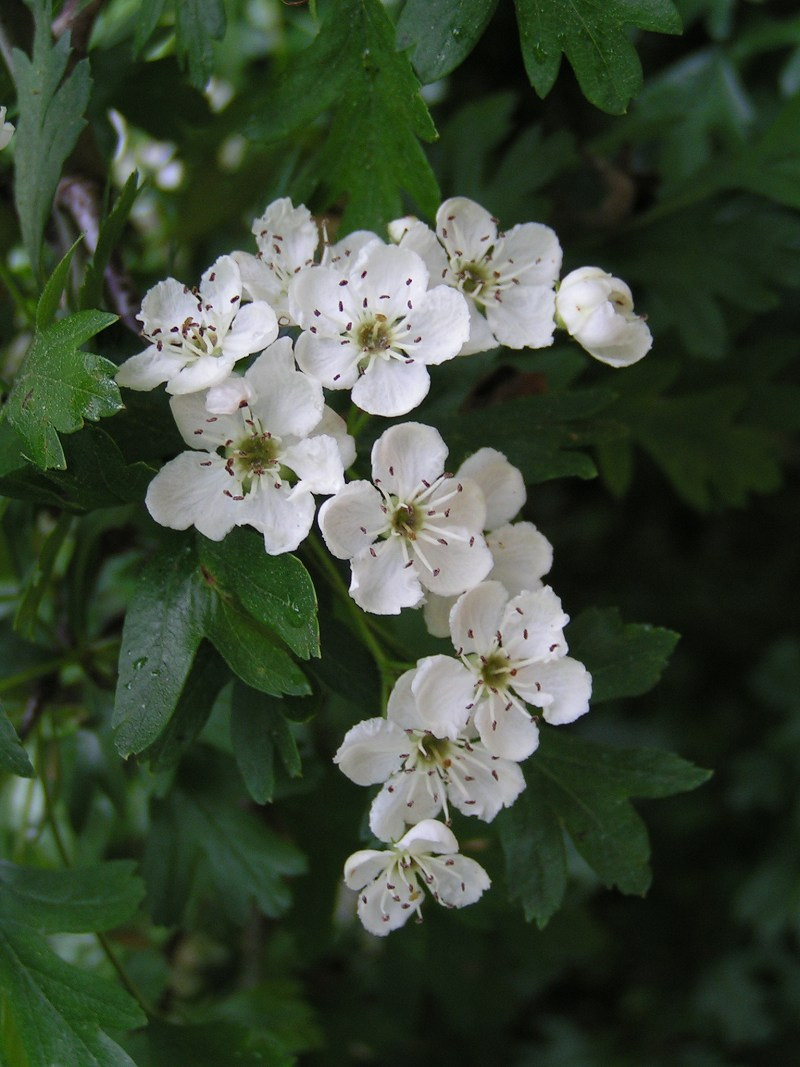
- UK Nursery Grown
- Planting Advice
Common Hawthorn Hedging Plants (Crataegus monogyna)
Crataegus monogyna
£0.85 per plant
Common hawthorn is a native deciduous hedge with thorny branches, white spring blossom and red autumn haws. It works well along country boundaries and in mixed wildlife hedges, especially where there is room for flowering branches to develop. The leaves fall in winter, leaving a network of thorny stems rather than a leafy privacy screen.
- Native deciduous hedging
- Thorny stems form a secure boundary
- Spring blossom and autumn berries
Step 1: Choose Your Root Type
Bare-root plants are lifted and sent in the dormant season, roughly November to March. Plant promptly and keep the roots moist. Ask about this plant
Understanding root types
- Bare root
- Lifted with little or no soil around the roots. Keep the roots moist and plant during the dormant season.
- Rootball
- Supplied with soil around the roots. Handle the rootball carefully and follow its planting instructions.
- Potted
- Grown in a nursery container. The pot size and supplied height are shown with each plant option.
Step 2: Choose Your Plant
Need help with your planting?Ask about sizes, root types and quantities
Position
Sun or partial shade
Soil
Most soils, avoid waterlogged ground
Supplied size
40/60, Bare root
Ordering
Minimum order 20
Description
Common Hawthorn Hedging Plants (Crataegus monogyna)
What is a common hawthorn hedge?
Common hawthorn, Crataegus monogyna, grows throughout the British countryside, often forming the backbone of old field hedges. Also known as quickthorn or whitethorn, it has deeply lobed green leaves, sharp thorns and a naturally branching habit that suits both mixed and single-species hedges. Clusters of white flowers open in late spring, attracting pollinating insects, before small red haws develop in autumn. Birds feed on the fruit and shelter among the dense branches.
Hawthorn sheds its leaves in autumn, exposing the closely branched, thorny framework beneath. This still marks out a boundary, although it offers less privacy during winter than an evergreen hedge. Allow enough space beside narrow paths, gates and play areas so the thorny growth does not become a nuisance.
Why choose a hawthorn hedge?
Hawthorn earns its place along a garden boundary with spring blossom, autumn haws and dense, thorny branches that shelter wildlife. It grows in sun or partial shade and handles most soils, provided the ground does not remain waterlogged. Established plants cope well with exposed conditions. Clip regularly for a tidy outline, or leave some flowering growth uncut to encourage more blossom and fruit.
Bare root hawthorn whips are an economical choice when planting a long boundary or several stretches of hedging. Hawthorn also grows well alongside native species such as field maple, hazel and dog rose, giving a mixed hedge a varied structure and a longer season of interest.
Eventual height, spread and growth rate
Common hawthorn can reach 5 to 8 metres in height if left to grow freely, with a spread of several metres. Garden hedges are usually maintained at 1.5 to 3 metres. Once established, expect around 30 to 45cm of new growth a year, depending on soil, moisture and growing conditions. Regular trimming encourages side shoots and keeps the hedge thick from the base.
Using hawthorn in your garden
Hawthorn suits field boundaries, cottage gardens and areas set aside for wildlife. Its thorny branches make a useful boundary hedge, while white spring flowers and red autumn haws bring changing colour through the year. Keep it closely clipped for a defined shape, or allow a looser outline where flowering matters most. Frequent hard trimming removes flower-bearing growth and reduces the number of haws that follow.
In a mixed native hedge, pair hawthorn with species suited to the same soil and light conditions. Think about the width of the mature hedge before setting out the plants. A double staggered row fills out across a wider strip than a single row and helps develop a thick, interwoven boundary.
Choosing a size
Common hawthorn hedging plants come in two bare root sizes: 40 to 60cm (40/60) and 60 to 90cm (60/90). Both are field-grown and lifted during the dormant season, with a minimum order of 20 plants per size. Smaller whips suit extensive new hedges, while the taller plants give you a little more height from the outset. Compare their recommended planting densities below.
Bare root hawthorn is available during dormancy, generally from November to March. Plant while the soil is workable and keep the roots from drying out before planting. Bare root whips are economical for longer hedges and can establish well when given enough moisture and kept free from competing weeds.
| Option | Supplied size | Root type | Best for | Plants per metre (single row) |
|---|---|---|---|---|
| 40/60 | 40 to 60cm | Bare root | Economical new hedging, large plantings | 5 to 7 |
| 60/90 | 60 to 90cm | Bare root | Quicker impact, slightly taller start | 4 to 5 |
Planting and care
Planting and aftercare
When and how to plant a hawthorn hedge
The best time to plant bare root hawthorn is during dormancy, roughly November to March. Choose a day when the soil is neither frozen nor waterlogged. Unpack the plants promptly, keeping their roots damp and protected from drying winds. Dig a trench or individual planting holes wide enough to spread the roots without bending them back. Position each whip at its original growing depth, using the soil mark on the stem as a guide. Return the soil around the roots, firm gently to remove air pockets and water thoroughly.
Clear a strip at least 50cm wide of grass and weeds before planting. This reduces competition while the young hedge establishes. Wearing gloves is sensible when handling thorny stems.
Spacing and quantities
For a single row of hawthorn, spacing plants 20cm apart encourages a thick hedge to develop sooner. You can widen the gaps to 30cm if you have time to let the plants fill out. For a broader boundary, plant two staggered rows 30cm apart, positioning the plants in one row between those in the other. This gives the developing branches room to overlap and form a dense hedge.
These quantities are based on 5 hawthorn plants per metre in a single row. A 5-metre hedge needs 25 plants, while a 10-metre stretch takes 50. Allow 100 plants for 20 metres. Use the table for a quick reference, adjusting your order if you choose wider spacing or a double staggered row.
| Hedge length | Plants needed (at 5 per metre) |
|---|---|
| 5 metres | 25 |
| 10 metres | 50 |
| 20 metres | 100 |
Watering, feeding and mulching
Water young hawthorn hedges during dry spells in the first growing season. Aim the water at the root zone rather than the foliage. A mulch of bark or well-rotted organic matter helps hold moisture and suppress weeds, but keep the mulch a few centimetres away from the stems to avoid rot.
Hawthorn generally needs little additional feeding once its roots are established. In reasonably fertile garden soil, concentrate on watering and keeping weeds down. If the ground is particularly poor, a light dressing of balanced general fertiliser in early spring can help support new growth.
Trimming calendar
One or two trims a year will usually keep an established hawthorn hedge in shape. Late summer or early autumn is a useful time for the main cut, once growth has slowed, provided no birds are still nesting. In early spring, you can shorten any straggling shoots before fresh growth begins. Check carefully for active nests before every cut and leave occupied sections undisturbed.
To encourage plenty of spring blossom and autumn haws, leave some flowering shoots untrimmed rather than cutting every stem back each year. During the first couple of winters, formative pruning helps young hawthorn develop low branches, building a thicker hedge from ground level upwards.
Choose a hedge for the setting Planting bare-root hedging Trimming for shape and wildlife
Read our planting guideFurther growing advice: RHS plant and growing guidance
Sizes and prices
Common hawthorn hedging sizes, prices and minimum orders
| Option | Supplied height | Pot or root | Plants | Price | Minimum order | Availability |
|---|---|---|---|---|---|---|
| 40/60 | Bare root | 1 plant | 40/60 | Bare root | 1 | £0.85 per plant | 20 | Unavailable |
| 60/90 | Bare root | 1 plant | 60/90 | Bare root | 1 | £0.90 per plant | 20 | Unavailable |
The price is for the selected plant or pack. Pack size tells you how many plants are included, and the minimum order is the smallest quantity we can send.
Plant sizes and quantities explainedDelivery
Delivery for your plant order
Delivery options and charges are shown in your basket and confirmed before you place your order.
Plants are living products. Unpack promptly after delivery, check moisture around the roots and keep them in a sheltered spot until you can plant.
Delivery informationPlant questions
Before you order
How many 40/60 hawthorn hedging plants do I need per metre?
Allow 5 to 7 hawthorn plants per metre for a single row. At 5 plants per metre, the spacing is 20cm, giving the branches room to fill out into a dense hedge over the next few years. Planting 7 per metre brings the gaps down to around 14cm for a closer initial planting, although you will need more whips. For a double staggered row, double these quantities and offset the plants between rows.
When should you plant bare root hedging?
Bare root hedging plants are planted during the dormant season, roughly from November to March. The ground needs to be workable: not frozen, waterlogged or baked dry. Plant as soon as possible after delivery, keeping the roots covered and moist until they go into the ground. Dormant planting gives roots time to settle before the spring growth starts.
How quickly does a hawthorn hedge grow?
An established common hawthorn hedge typically grows around 30 to 45cm each year, although soil and weather conditions affect the rate. Newly planted bare root whips may show limited height growth in their first season while their roots settle. Keep the planting strip weed-free and water during dry periods to help the hedge develop stronger, bushier growth through its second and third seasons.
What are the disadvantages of a hawthorn hedge?
The main drawback of hawthorn is its lack of leafy screening in winter. Sharp thorns can also make pruning awkward and may cause problems beside narrow paths, gates or children's play areas. Close clipping limits the spring flowers and autumn haws, so there is a balance between keeping a formal shape and encouraging wildlife. Hawthorn can suffer from fireblight or leaf spot, making it sensible to watch for unusual dieback or damaged foliage.
Does hawthorn make a good hedge?
Yes. Hawthorn is a hardy native species that grows in most well-drained soils and tolerates exposed positions once established. Its densely branching, thorny stems create a useful boundary and provide shelter for birds and other wildlife. With suitable management, it can also form part of a livestock boundary, although fencing may still be needed. White spring blossom and red autumn haws add interest, particularly when the hedge is allowed to grow a little more freely.
How to plant a hawthorn hedge?
Prepare a weed-free strip at least 50cm wide. Soak the bare roots for an hour before planting. Dig a trench deep and wide enough for the roots to spread out. Set each plant at the nursery soil mark, backfill with crumbled soil, firm gently and water in. Space plants 20 to 30cm apart in a single row, or use a double staggered row for a wider hedge.
Ask a plant question