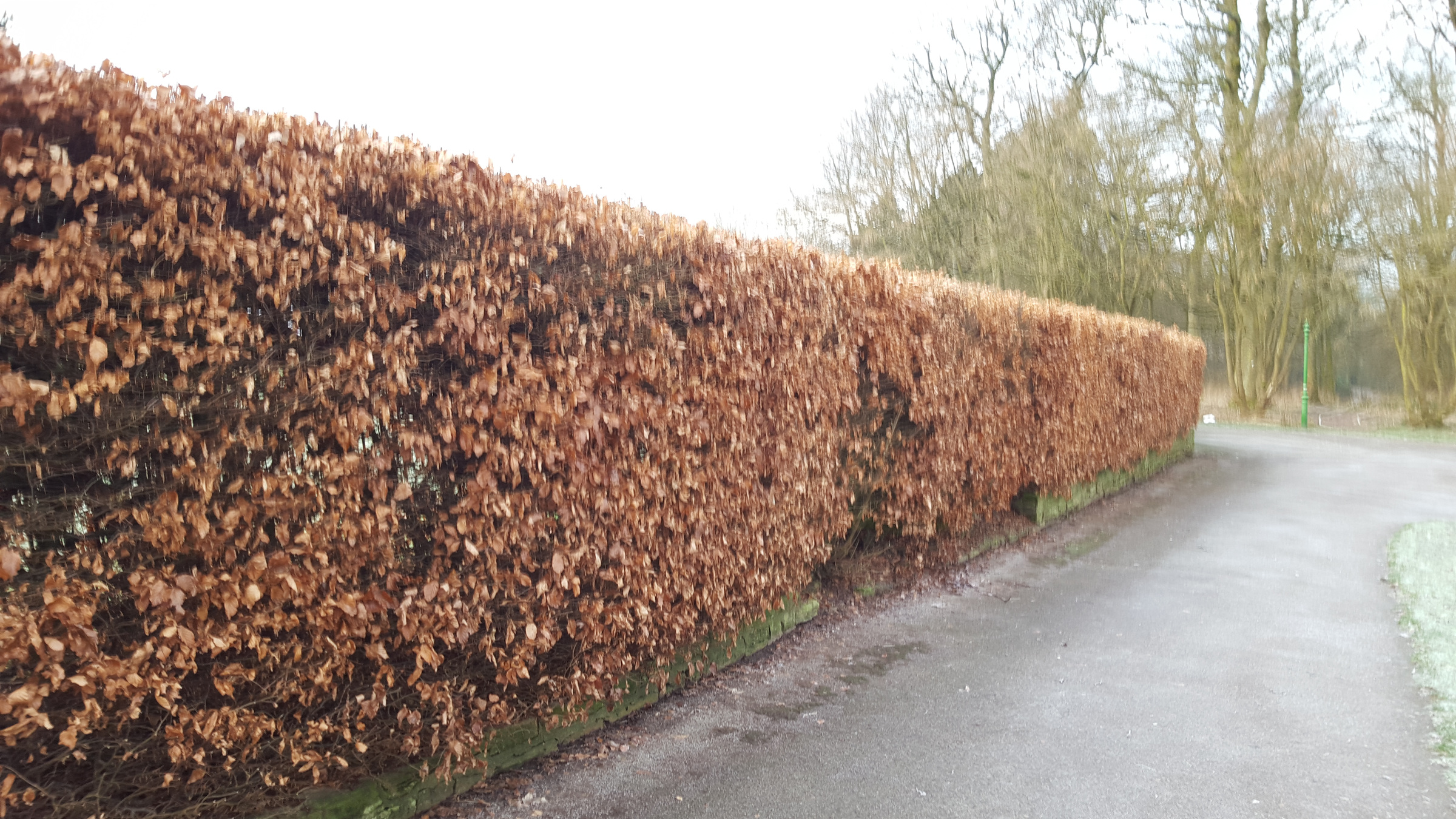
When to trim a beech hedge: the straightforward answer
The best time to trim a beech hedge (Fagus sylvatica) is late August. A single cut at this point in the year keeps a hedge neat while allowing it to hold its russet winter leaves. For a more formal, crisp outline you can make two cuts: one in early June and the second in late August. Check carefully for active birds' nests before every trim, particularly between March and August. If birds are nesting, leave that part of the hedge untouched until the nest is no longer in use. Avoid trimming during very hot, dry weather or immediately before a hard frost.
Best month to trim beech and what happens if you cut at other times
August is the ideal month for the main trim because the hedge has completed its main flush of growth. An August trim removes the long summer shoots while leaving a network of short, leafy growth. Regular trimming helps maintain the dense branching that allows a beech hedge to retain much of its coppery-brown foliage through winter. If you trim much earlier (May or early June), you remove the soft new growth but may need a second cut later. Trimming after September risks leaving soft cuts exposed to early frosts, which can cause dieback.
A light clip in early June, followed by a final trim in late August, suits gardeners who want a very tight, formal hedge. The June cut checks the first surge of growth and prompts a second, more compact flush. By August the hedge has hardened off enough to be shaped for winter. If you only have time for one cut, make it in late August, once you have checked that no active nests are present. This gives the hedge a tidy outline before growth slows in autumn.
| Trimming time | What it achieves | Risks and notes |
|---|---|---|
| Early June (light trim) | Controls first growth flush; sets up a dense second flush | Needs a second cut in August for a tidy winter look |
| Late August (main trim) | Shapes the hedge for winter; encourages twiggy growth that holds leaves | Avoid cutting in very hot, dry weather |
| September to October | Tidies late growth on established hedges | Cuts may not heal before frost; risk of dieback on young hedges |
| November to February | Hard pruning and renovation only | Never trim lightly in frosty weather; sap flow is minimal, so healing is slow |
Keeping the winter leaves (marcescence)
Beech hedges often retain their dry, coppery-brown leaves well into winter, especially on young, regularly trimmed growth. This leaf retention is called marcescence. It gives a deciduous hedge useful winter screening even after the leaves have changed colour. Regular late-summer trimming develops the short, closely spaced shoots associated with good winter leaf retention. Exposed hedges may still lose leaves in strong winds, so the amount of cover varies between gardens.
If you trim too late in autumn, you remove the very growth that would have carried the winter leaves. The hedge may still retain some foliage, but the display will be thinner. A beech hedge left completely unpruned for several years will gradually lose its winter leaf-holding habit, becoming more open and bare from December to March. Regular August trimming is the simplest way to keep that warm winter screen.
Hard pruning and renovation: when to cut a beech hedge back hard
Hard pruning or renovation of an overgrown beech hedge is best done in late winter (February), just before the sap begins to rise. At this time the plant is fully dormant and a severe cut causes the least stress. Established beech can produce new shoots from older wood, allowing substantial reductions in height and width. A reduction of up to half may be possible on a healthy hedge, but spreading heavy renovation over two winters is usually kinder to old or neglected plants. Cut back one side and the top first, then tackle the other side the following winter.
After a hard prune, feed the hedge with a balanced general-purpose fertiliser in early spring and mulch well with organic matter. Water deeply during dry spells in the following growing season. New shoots may emerge from older branches as spring growth gets under way, although recovery can take longer after severe pruning or on a weak hedge. A renovated beech hedge will need its first light trim the following August to begin rebuilding a dense, formal shape.
Tools and technique for a clean beech hedge cut
Sharp tools make the difference between a clean cut and a ragged tear that lets in disease. For young or small beech hedges, sharp hand shears give excellent control and a precise finish. For longer hedges, a well-maintained electric or petrol hedge trimmer speeds up the job. Always wipe blades with a disinfectant solution before starting, and again if you move between different hedges.
Cut the sides so the hedge is slightly narrower at the top than at the bottom: this 'batter' or taper lets light reach the lower branches and prevents the base from thinning out. Use a taut string line as a guide for the top, stepping back frequently to check your line. On a mature beech hedge, aim to cut back to just beyond the previous year's growth, leaving a finger's width of new wood to encourage dense regrowth.
- Sharpen blades before you start; blunt tools crush stems
- Set up a string line for a level top
- Cut sides with a slight inward taper from bottom to top
- Remove all clippings from the top of the hedge to prevent rot
- Disinfect blades between hedges to avoid spreading fungal spores
Nesting season and the law
Under the Wildlife and Countryside Act 1981, it is an offence to intentionally damage or destroy an active bird's nest. The main nesting season runs from March to August inclusive. Before you trim any hedge during this period, you must check carefully for nests. If you find one, delay cutting that section until the young have fledged.
An early June trim should only go ahead after a thorough nest check. Active nests can be hidden deep inside a hedge at any point in the breeding season, so postpone work wherever there is a risk of disturbing nesting birds. Many gardeners with beech hedges simply plan their main trim for late August, when the nesting season is winding down and the risk is much lower. This single August cut also fits neatly with the plant's growth cycle, making it the most practical choice for both the hedge and the wildlife using it.
- Main nesting season: March to August
- Always check for active nests before cutting
- Delay trimming if a nest is found, until chicks have fledged
- A late August trim naturally avoids the peak nesting period
Common questions
Can you cut a beech hedge in winter?
Yes, but only for hard pruning or renovation. Light trimming in winter is not recommended because the cuts will not heal until spring, leaving the wood vulnerable to frost damage and dieback. The best window for a hard cut is February, just before the sap rises. Avoid cutting when the wood is frozen or during very wet weather, as this can damage the plant and compact the surrounding soil.
How many times a year should you trim a beech hedge?
A beech hedge does well with one trim a year in late August. If you want a very formal, crisp hedge, you can trim twice: once lightly in early June to control the first growth flush, and again in late August for the final shape. More than two cuts a year is rarely necessary and can weaken the hedge over time.
What happens if you trim a beech hedge too early?
Trimming too early (April or early May) removes the soft new growth before it has had a chance to strengthen. The hedge may produce another flush of shoots, leaving you with a second trimming job later in the summer. Early cuts also increase the risk of disturbing nesting birds. It is better to wait until June for a light trim or August for the main cut.
Can you trim a beech hedge in September?
You can trim a beech hedge in early September if you missed the August window, but it is riskier. The cuts may not heal fully before the first frosts, which can cause tip dieback. If you must trim in September, do it as early in the month as possible and avoid cutting if a cold snap is forecast. A light tidy-up is safer than a heavy cut at this time of year.
How do you keep a beech hedge thick at the bottom?
Trim the sides so the hedge tapers inwards from bottom to top, allowing sunlight to reach the lower branches. Avoid letting the top grow wider than the base, which shades out the bottom growth. Regular August trimming encourages dense twiggy growth right down to ground level. If the base is already thin, a hard renovation prune in late winter can stimulate new shoots from low down.
When should you hard prune an overgrown beech hedge?
Hard prune an overgrown beech hedge in late winter (February), while the plant is fully dormant. You can reduce the height and width by up to half in one go, but for very old hedges it is safer to spread the work over two winters. After a hard prune, feed and mulch the hedge in spring and water well during dry spells to support strong regrowth.