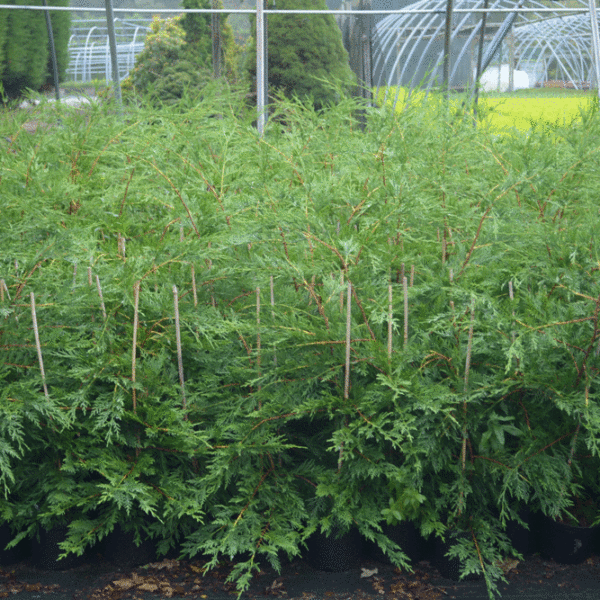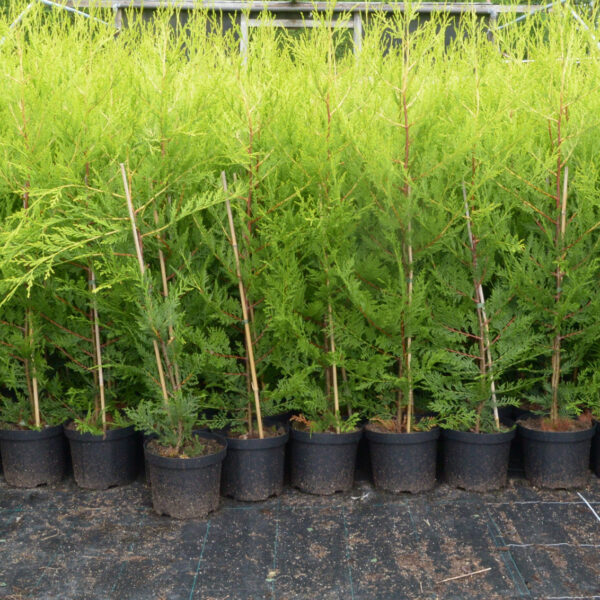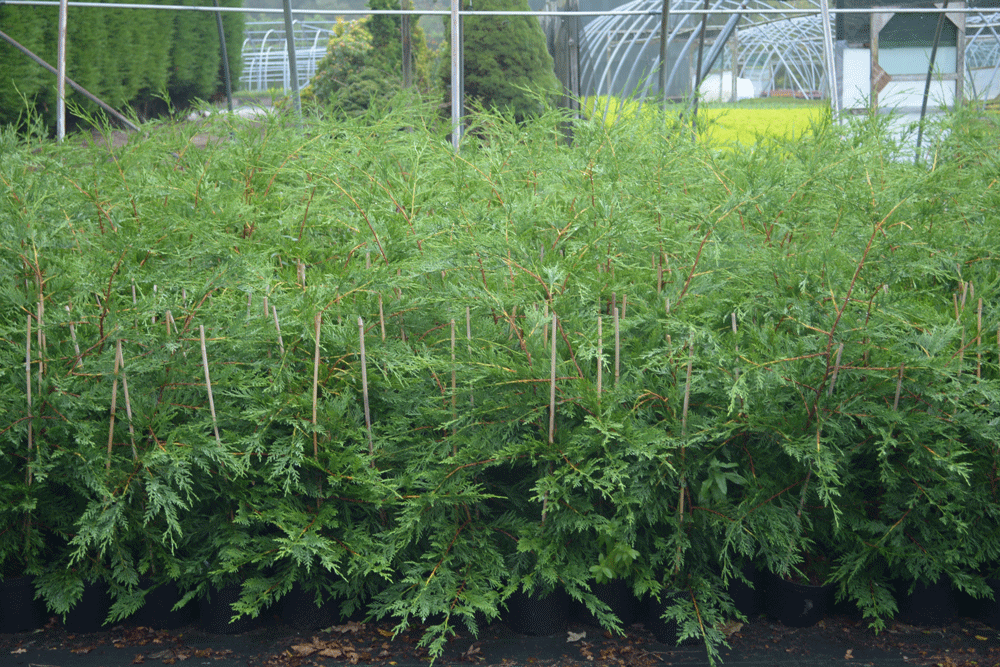
When to trim Leylandii
Trim Leylandii two to three times during the growing season, generally between April and early September. Check for active birds' nests before cutting, particularly from spring through late summer, and postpone work if nesting birds may be disturbed. The first trim of the season can start once the risk of hard frost has passed, usually in April. A second trim in late June or July tidies the new growth, and a final light trim in late August or early September sets the shape before winter. Avoid trimming after September, because soft regrowth can be damaged by early frosts.
Leylandii grows vigorously in spring and summer, so leaving long gaps between cuts makes the hedge harder to manage. Regular light trims are better than one severe cut. If you only cut once a year, the hedge can quickly become too tall and wide, and you risk cutting into old brown wood, which stops regrowth.
- Start in April after the last hard frost
- Second trim in late June or July
- Final light trim in late August or early September
- Avoid cutting between October and March
Never cut into brown wood
Leylandii will not regrow from old, brown wood. The green outer layer is the only part that produces new shoots, so if you cut back beyond the green into the bare, brown centre of the plant, that section stays bare permanently. Once the green outer foliage has been removed, fresh shoots are unlikely to emerge from that bare section.
To keep the hedge dense and green, trim lightly and often, removing just the soft new growth each time. If the hedge has already become too wide and you need to reduce its width, do it gradually over two or three growing seasons, taking back only to the edge of the green growth each time. Once a Leylandii hedge has been cut into brown wood, the only way to restore a green face is to wait for adjacent green shoots to slowly grow over the gap, which can take several years, or to replace the affected plants.
How tall and how fast
Leylandii is a vigorous hedging conifer. In favourable conditions, an established plant can grow 60 to 90cm in a year, although growth varies with soil moisture, exposure and the amount of trimming. Young plants may grow more slowly while their roots establish. Left unpruned, a Leylandii tree can eventually reach 30 to 35 metres tall, but as a hedge it is usually kept between 2 and 4 metres.
To establish a dense screen quickly, plant Leylandii at 60 to 90cm apart for a single row, or 75 to 90cm apart in a staggered double row. With regular trimming from an early stage, you can hold the hedge at a manageable height indefinitely. Start clipping the sides lightly while the plants are young to encourage branching near the base. Let the leading shoots grow towards the intended height, then trim the tops once they reach it. Do not wait for the hedge to become oversized before starting regular maintenance.
| Age of hedge | Typical height if trimmed twice yearly | Typical height if left unpruned |
|---|---|---|
| 1 year after planting | 80 to 120cm | 1.2 to 1.8m |
| 3 years after planting | 1.8 to 2.5m | 3.5 to 5m |
| 5 years after planting | 2 to 3m | 6 to 9m |
| 10 years after planting | 2.5 to 4m (maintained) | 12 to 18m |
Brown patches: causes and fixes
Brown patches on Leylandii need careful inspection because the cause determines what can be done. Drought stress or an early pest problem may be manageable, but foliage lost through cutting into old brown wood will not regrow from that point. The most common cause is cutting into brown wood, which leaves permanent bare areas. Other causes include drought stress, waterlogged soil, aphid infestations (particularly cypress aphid), fungal canker, and damage from winter winds or heavy snow.
If you see browning, first check whether the affected shoots are dead or just stressed. Scrape a little bark with your fingernail: green underneath means the branch is alive. For drought stress, water deeply at the base during dry spells. For cypress aphid, inspect the green shoots and stems for insects, shed skins and areas of browning. Encourage natural predators and seek current RHS guidance before using any plant protection treatment, as products and approved uses can change. Patches caused by canker or root rot are harder to treat, and badly affected plants may need removing to stop the problem spreading. Always cut out dead patches back to healthy green growth, but never into brown wood.
Roots and foundations
Leylandii roots are often blamed for damaging foundations and drains, but the risk is lower than many people think. On most UK soils, a Leylandii hedge has a relatively shallow, fibrous root system that spreads sideways rather than deep down. The roots spread laterally and can extend beyond 2 to 3 metres from the trunk, particularly on suitable soils. Sound foundations are generally less vulnerable than existing cracks or defective drains, but risk also depends on soil type, foundation depth and the size of the trees.
Problems can occur on shrinkable clay soils, where the roots draw significant moisture from the soil and cause it to contract. This can lead to subsidence in buildings with shallow foundations. If you are planting Leylandii near a house, assess the soil, foundations, drains and likely mature hedge size before choosing a position. A 2 to 3 metre separation is not a universal safe distance, especially on shrinkable clay. Where buildings are close to the proposed hedge, seek site-specific advice rather than relying on a fixed planting distance.
Keeping a Leylandii hedge neighbour friendly
Leylandii hedges can cause disputes between neighbours if they grow too tall and block light. Under the Anti social Behaviour Act 2003, local councils can investigate high hedge complaints and issue remedial notices if a hedge is over 2 metres tall and significantly reduces light to a neighbour's property. To keep things friendly, agree a sensible height with your neighbour and trim regularly to maintain it.
An overgrown Leylandii hedge needs a different approach for height and width. You can reduce the height by cutting the main stems to a suitable level, but the exposed top may look bare until surrounding green shoots develop. Avoid cutting the sides back into old brown wood, as they will not regenerate. For a very tall hedge, plan the reduction carefully and use a qualified tree professional where the work cannot be carried out safely from ground level.
Planting and early care
The best time to plant pot grown Leylandii is in spring or early autumn, when the soil is warm and moist. Bare root Leylandii should be planted during the dormant season, roughly November to March, while the plants are not actively growing. Prepare the ground by clearing weeds and digging in organic matter, and water thoroughly after planting.
For the first growing season, water regularly during dry spells to help the roots establish. A mulch of bark or compost around the base keeps moisture in and suppresses weeds. Feeding is not essential, but a balanced slow release fertiliser applied in April can boost growth. Established Leylandii can cope with some dry weather, but prolonged drought may cause browning, particularly in shallow soil or exposed positions. Water during extended dry spells and keep up with light, regular trimming.
- Plant pot grown Leylandii in spring or early autumn
- Plant bare root Leylandii between November and March
- Water regularly in the first growing season
- Apply a mulch to retain moisture
- Feed with a balanced fertiliser in April if desired
Common questions
Will Leylandii grow back after cutting into brown wood?
No, Leylandii will not regrow from old brown wood. Only the green outer shoots can produce new growth. If you cut back into the brown, bare centre, that area stays bare permanently. The only way to cover the gap is to wait for adjacent green shoots to slowly grow over it, which can take several years.
How many times a year should I trim my Leylandii hedge?
Trim Leylandii two to three times a year to keep it tidy. Aim for a first trim in April, a second in late June or July, and a light final trim in late August or early September. Regular light trims are far better than one heavy cut, which risks exposing brown wood.
How fast do Leylandii grow?
Leylandii can grow 60 to 90cm per year in good conditions, making it one of the fastest hedging plants available. Young plants often grow even faster. With regular trimming you can control this vigorous growth and maintain a dense, manageable hedge.
What causes brown patches on Leylandii?
Brown patches can be caused by cutting into brown wood, drought stress, cypress aphid, fungal canker, waterlogged roots or winter wind damage. Check if the shoots are alive by scraping the bark. Treat drought with deep watering, and aphids with a winter wash. Cut out dead patches back to healthy green growth.
Can Leylandii roots damage my house?
On most UK soils, Leylandii roots are shallow and fibrous, and unlikely to damage sound foundations. On shrinkable clay soils, roots can draw moisture from the ground and contribute to subsidence. Keep a hedge at least 2 to 3 metres from walls and drains to minimise any risk.
How tall will a Leylandii hedge grow if I leave it?
Left unpruned, a Leylandii tree can eventually reach 30 to 35 metres. As a hedge, it is usually kept between 2 and 4 metres with regular trimming. Start trimming when the plants reach about 15cm above your desired final height to encourage a dense, bushy shape.