What Ericaceous Compost Is
Ericaceous compost is a lime-free growing medium made for plants that need acidic conditions around their roots. It is particularly useful for azaleas, rhododendrons, pieris and acid-loving heathers, which can develop yellow leaves and poor growth in alkaline compost. It typically has a pH between 4.0 and 5.5, which mirrors the conditions found in woodland floors where these plants naturally thrive. Standard multi-purpose compost contains lime and usually has a neutral to slightly alkaline pH, which can lock up iron and other nutrients, causing yellowing leaves and poor growth in acid loving plants.
The mix itself is based on materials that break down slowly and maintain an open, moisture-retentive structure. You will find ingredients such as sphagnum moss peat or a peat-free alternative (often composted bark, coir, or wood fibre), along with added fertilisers formulated for ericaceous plants. Many blends also include a wetting agent to help re-wet the compost if it dries out in a pot.
| Feature | Ericaceous Compost | Standard Multi-Purpose Compost |
|---|---|---|
| Typical pH range | 4.0 to 5.5 | 6.0 to 7.5 |
| Lime content | Lime-free | Contains added lime |
| Primary use | Acid loving (ericaceous) plants | General garden plants and vegetables |
| Nutrient availability | Optimised for iron and manganese uptake | Can lock up iron in ericaceous plants |
Which Plants Need Ericaceous Compost
Acid loving plants include spring-flowering azaleas, rhododendrons and pieris, along with many garden heathers. In pots, an ericaceous compost gives their roots the acidic conditions they need. In garden borders, start by checking the existing soil pH so you know whether planting directly into the ground is suitable.
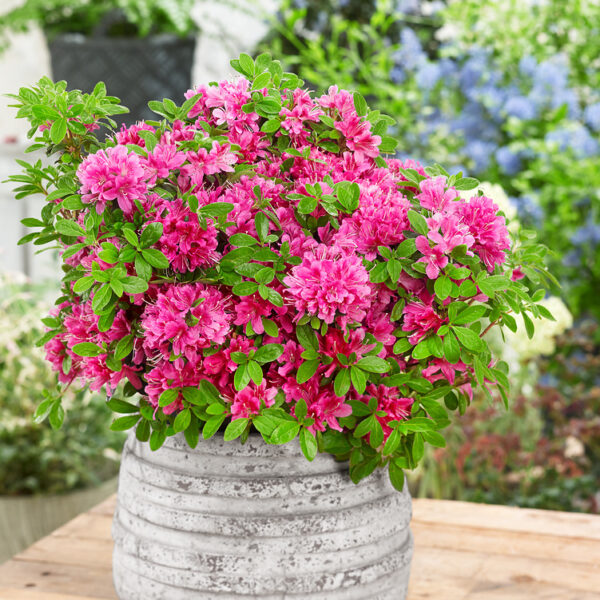
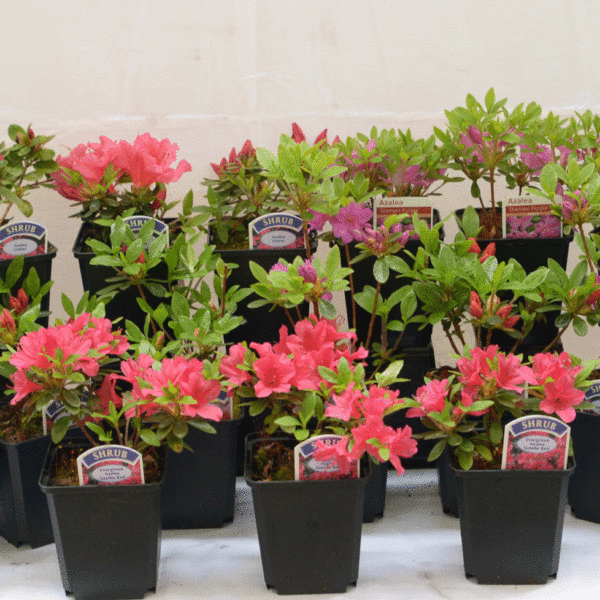
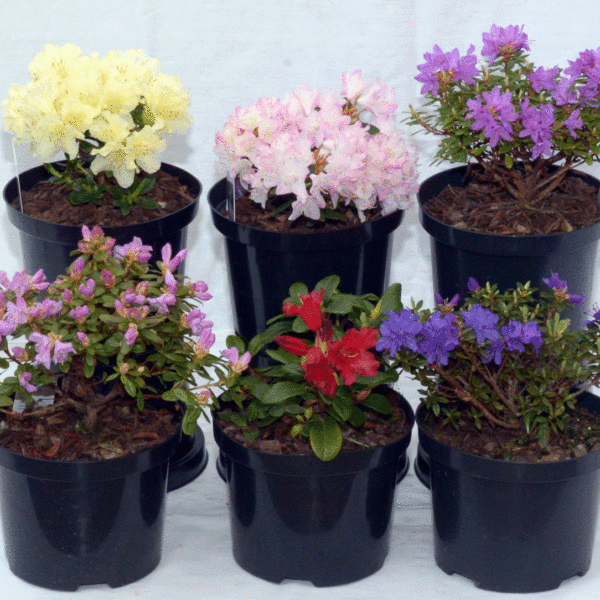
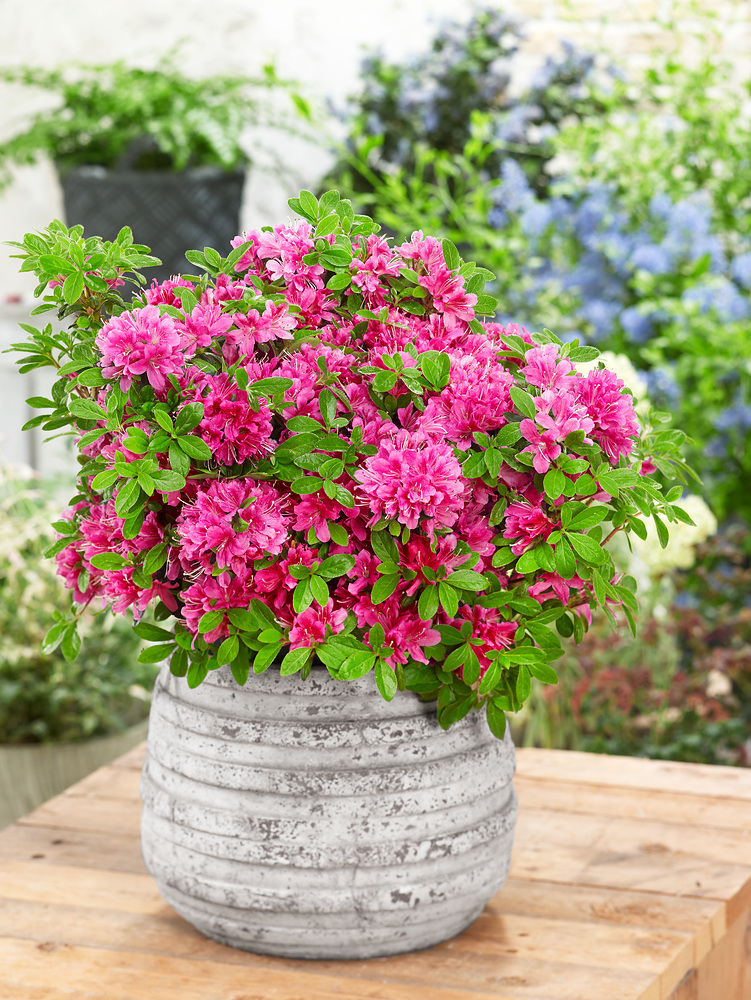
Plants in the Garden Hedges range that benefit from acidic growing conditions include Dwarf evergreen azalea (single colours), Mixed Japanese azaleas, Mixed dwarf rhododendrons, Pieris Forest Flame and Pieris Mountain Fire. Mixed garden heathers should also be matched to suitable soil, although their exact requirements depend on the heather species included in the mix. These ericaceous shrubs have evolved in acidic soils and will quickly show signs of stress if planted into ordinary compost or chalky garden soil.
Other well-known acid lovers include camellias, blueberries, and most summer-flowering heathers. If you are adding any of these to your garden, the same rules apply: test your soil first, then choose the right compost or planting method.
- Azaleas: Dwarf evergreen azalea (single colours), Mixed Japanese azaleas
- Rhododendrons: Mixed dwarf rhododendrons
- Pieris: Pieris Forest Flame, Pieris Mountain Fire
- Heathers: Mixed garden heathers
Using Ericaceous Compost in Pots vs Borders
How you use ericaceous compost depends on whether you are growing in a container or planting directly into the ground. In pots, you have full control. Fill the container entirely with fresh ericaceous compost, leaving a 3 to 5cm gap at the top for watering. Choose a pot with good drainage holes and place a crock or gravel at the base to stop the holes blocking. Potted ericaceous shrubs will need repotting every two to three years as the compost breaks down and loses structure.
In borders, the decision is driven by your existing soil pH. If your garden soil is naturally acidic (pH 5.0 to 6.0), you can plant ericaceous plants directly into the ground with no need for compost replacement. Simply dig in some ericaceous compost or leaf mould at planting time to help the roots establish. If your soil is neutral to alkaline (pH 6.5 and above), azaleas, rhododendrons and pieris are generally easier to grow in large containers filled with ericaceous compost. A properly constructed raised bed with suitable acidic growing medium is another option, provided alkaline soil and water do not continually affect it. Avoid filling an isolated planting hole with ericaceous compost in chalky ground. The surrounding soil can quickly influence the pH, and the difference between the two growing media may also cause drainage problems.
| Growing Method | Best For | What to Do |
|---|---|---|
| Pots and containers | All ericaceous plants, especially where soil is alkaline | Use 100% ericaceous compost; repot every 2 to 3 years |
| Borders (acidic soil) | Azaleas, rhododendrons, pieris, heathers | Plant directly; mix ericaceous compost into backfill |
| Borders (alkaline soil) | Pieris, dwarf rhododendrons | Grow in pots, or create a lined planting pocket with ericaceous compost |
Testing Soil pH Before You Plant
A simple soil pH test tells you whether ericaceous compost is essential or just a helpful addition. You can buy a liquid test kit or a digital pH meter from most garden centres. Both are straightforward to use: take a small sample of soil from about 10 to 15cm below the surface, mix it with the testing solution or insert the probe, and check the reading.
A pH of 7.0 is neutral. Values below 7.0 are acidic, and values above are alkaline. Most ericaceous plants grow best between pH 4.5 and 6.0. If your reading is 6.5 or higher, growing acid loving plants in the ground will be a constant battle. In that situation, containers filled with ericaceous compost are the most reliable choice.
Test the soil in several spots across the planting area, as pH can vary within a garden. Avoid testing immediately after heavy rain or adding fertiliser, as both can give a false reading. For a more detailed analysis, the RHS offers a postal soil testing service that also checks nutrient levels.
Watering Ericaceous Plants with Rainwater
Tap water in many parts of the UK is hard, meaning it contains dissolved calcium and magnesium that make it alkaline. Watering ericaceous plants regularly with hard tap water can gradually raise the pH of the compost, undoing the benefits of using ericaceous compost in the first place. The first sign is often a pale, yellowish cast between the leaf veins, known as lime-induced chlorosis.
Rainwater is naturally soft and slightly acidic, making it the ideal choice for all acid loving plants. Install a water butt connected to a downpipe and use this for your azaleas, rhododendrons, pieris, and heathers throughout the growing season. If rainwater is unavailable, use tap water rather than allowing the compost to dry out. Boiling does not reliably remove all the minerals responsible for water hardness, so it is not a dependable long-term treatment. Where hard water is used regularly, check the compost pH from time to time and apply an ericaceous fertiliser according to the manufacturer's instructions.
Feeding Acid Loving Plants
Ericaceous plants are not heavy feeders, but they do benefit from a regular supply of the right nutrients. Use a fertiliser specifically labelled for ericaceous plants or rhododendrons. These feeds contain chelated iron and other trace elements that remain available to the plant at low pH. Apply them from March to August, following the dilution rates on the pack.
For container-grown shrubs, a liquid ericaceous feed every two to four weeks during the growing season keeps leaves green and supports flower bud formation. In borders, a granular ericaceous fertiliser applied in early spring and again after flowering is usually enough. Choose a fertiliser formulated for ericaceous plants rather than relying on a general-purpose or tomato feed. The main concern is using a product with an unsuitable nutrient balance or liming effect, rather than potassium itself.
Mulching is an important part of feeding, too. Each spring, spread a 3 to 5cm layer of ericaceous compost, leaf mould, or composted bark around the base of the plant, keeping the mulch away from the stem. This conserves moisture, suppresses weeds, and slowly releases organic acids into the root zone.
- Use a liquid ericaceous feed for container plants every 2 to 4 weeks from March to August
- Apply a granular ericaceous fertiliser to border plants in early spring and after flowering
- Mulch annually with ericaceous compost, leaf mould, or composted bark
- Avoid tomato feeds and general fertilisers that can raise soil pH
Month-by-Month Care for Ericaceous Plants
Most ericaceous shrubs need the closest attention in spring and summer, when new shoots develop and pots dry out quickly. Through autumn and winter, concentrate on drainage, frost protection and keeping the roots from drying out. The monthly tasks below cover the main jobs.
| Month | Task |
|---|---|
| January | Check pots for waterlogging; move containers to a sheltered spot during hard frosts |
| February | Top up mulch with ericaceous compost or leaf mould; prune winter-damaged branches |
| March | Start liquid feeding container plants; repot root-bound shrubs into fresh ericaceous compost |
| April | Test soil pH if planting new shrubs; plant new ericaceous plants in pots or prepared borders |
| May | Continue liquid feeding; watch for greenfly on new growth; water with rainwater |
| June | Deadhead spent azalea and rhododendron flowers; maintain consistent watering |
| July | Feed after flowering if using granular fertiliser; check for signs of chlorosis |
| August | Last liquid feed of the season; take semi-ripe cuttings of heathers and pieris |
| September | Plant new container-grown ericaceous shrubs while soil is still warm |
| October | Reduce watering as growth slows; clean up fallen leaves around plants |
| November | Move vulnerable pots to a sheltered position; mulch borders to protect roots |
| December | Minimal care; ensure pots do not dry out completely in windy weather |
Common questions
Can I use ericaceous compost for all plants?
Ericaceous compost is specifically for acid loving plants. Using it for plants that prefer neutral or alkaline soil, such as lavender, box, or beech hedging, can cause nutrient imbalances and poor growth. Stick to multi-purpose or soil-based composts for those.
How do I know if my plant needs ericaceous compost?
Check the plant label or online description. If it is listed as an ericaceous, acid loving, or lime-hating plant, it needs ericaceous compost. Common examples are azaleas, rhododendrons, pieris, heathers, camellias, and blueberries. If the plant's soil requirements are unclear, test the soil pH and check the needs of that particular species before planting.
Does ericaceous compost go off or lose acidity?
Over time, the organic materials in ericaceous compost break down and the pH can drift towards neutral, especially if watered with hard tap water. In pots, replace the compost every two to three years. In the ground, an annual mulch of fresh ericaceous compost helps maintain acidity.
Can I make my own ericaceous compost?
A homemade growing medium can be made from suitable composted bark, leaf mould and drainage materials, but these ingredients do not automatically produce an acidic mix. Test the pH before planting and check that the structure holds moisture without becoming waterlogged. Add an ericaceous fertiliser only at the recommended rate. For valuable azaleas, pieris or rhododendrons in containers, a tested peat-free ericaceous compost is usually the more predictable choice.
Why are the leaves on my acid loving plant turning yellow?
Yellowing between the veins, known as chlorosis, is usually caused by a lack of available iron. This happens when the soil or compost pH is too high. Water with rainwater, apply a liquid ericaceous feed containing chelated iron, and mulch with ericaceous compost. In pots, consider repotting into fresh ericaceous compost.
Is ericaceous compost the same as rhododendron compost?
Rhododendron compost is a type of ericaceous compost, formulated specifically for rhododendrons, azaleas, and camellias. All rhododendron composts are ericaceous, but not all ericaceous composts are labelled as rhododendron compost. Either is suitable for the acid loving plants in our range.