Category: Complete guides

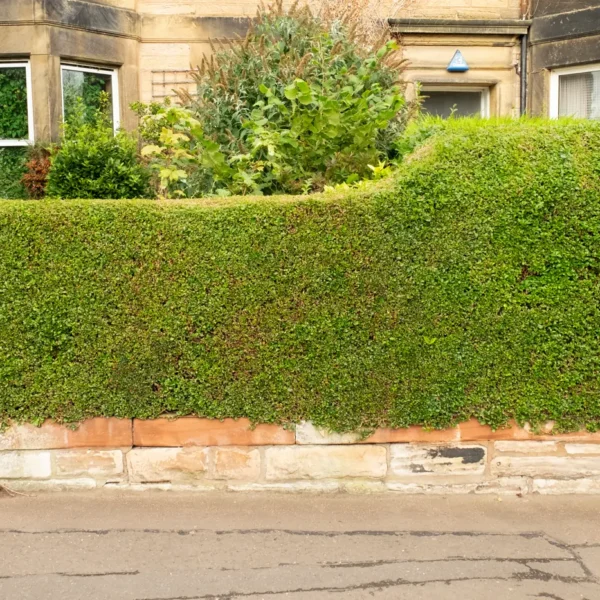
Neatly trimmed privet hedge in front of a stone house

The Complete Guide to Privet Hedging: Planting, Pruning and Caring for a Classic UK Hedge

Privet makes a thick, leafy hedge that stands up well to regular cutting, roadside pollution and the changeable British weather. Its small, oval leaves grow closely together, giving front gardens and boundaries a tidy green outline. Garden privet is semi-evergreen, so it usually keeps much of its foliage through winter, although prolonged frost can leave it bare. This guide covers choosing a planting position, spacing bare root plants, encouraging bushy growth and keeping an established privet hedge in good shape.

Read the guide
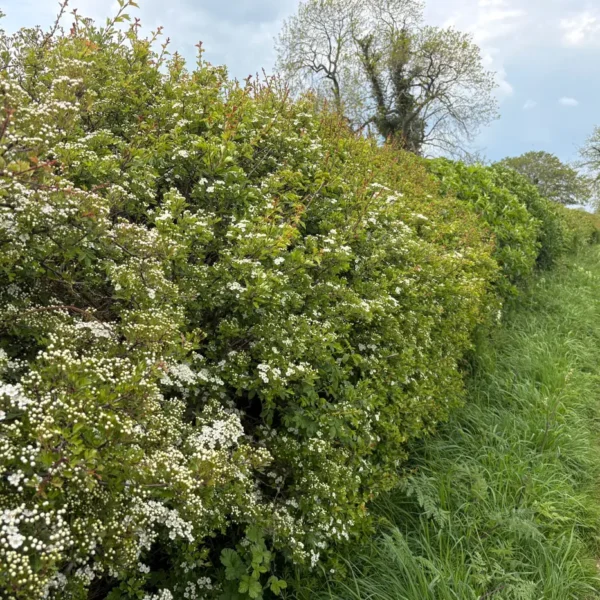
Hawthorn hedge in white May blossom beside a field footpath

Hawthorn Tree Guide: How to Plant, Grow and Care for Crataegus Monogyna Hedging and Trees in the UK

Common hawthorn, also called quickthorn, is a familiar sight in British hedgerows. Its thorny branches make a dense boundary, white blossom appears in May and clusters of red haws follow in autumn. Bare root hawthorn is planted during the dormant season, from November to March. Once established, it takes well to regular trimming and provides nesting cover and food for garden birds.

Read the guide
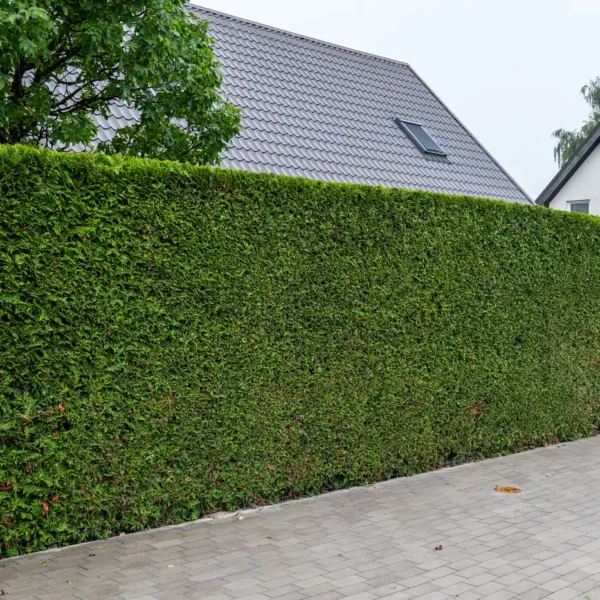
Tall clipped conifer hedge along a suburban pavement

Leylandii: The Complete UK Guide to Growing a Fast Conifer Hedge

Leylandii can put on 60 to 90 cm of growth a year in favourable conditions, making it one of the fastest-growing conifers used for hedging in the UK. That speed makes it useful for screening, but regular trimming is essential. Plant it at the right spacing, keep it watered while young and cut the sides before the green growth becomes too thick to manage.

Read the guide
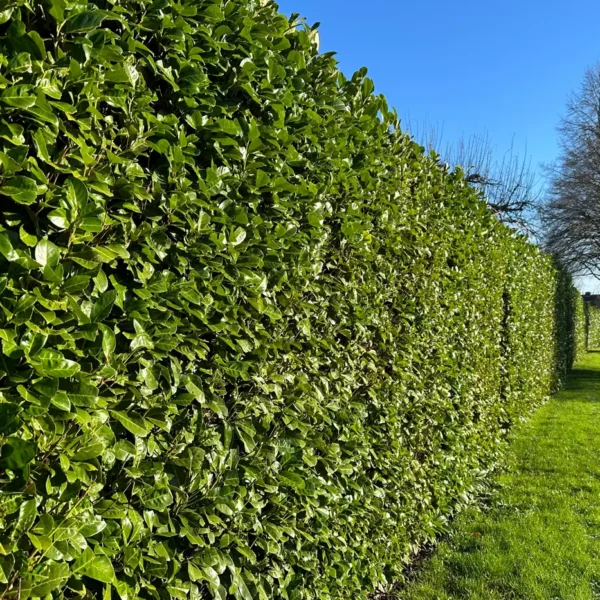
Tall clipped cherry laurel hedge beside a lawn

Cherry Laurel Hedging: A Complete UK Guide to Growing, Planting and Pruning a Laurel Hedge

Cherry laurel (Prunus laurocerasus) grows into a thick evergreen hedge with large, glossy leaves that provide privacy throughout the year. Once established, it can put on 30 to 60cm of growth annually, although dry soil and deep shade may slow it down. Good spacing, regular watering during establishment and careful pruning make a noticeable difference to the finished hedge. Here's how to get those details right and deal with common problems.

Read the guide
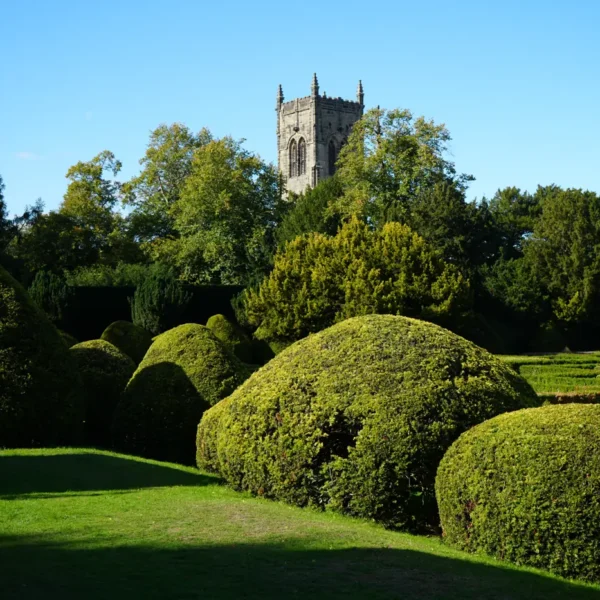
Clipped yew topiary in a formal garden with a church tower behind

Yew Tree Guide: How to Grow a Yew Hedge and Care for Taxus Baccata in the UK

English yew (Taxus baccata) has dark green needles, thick evergreen growth and an unusual ability to recover from heavy pruning. It can form a tightly clipped boundary, a low formal hedge or a specimen tree that lives for centuries. This guide explains where yew grows best, how to plant and space a hedge, when to cut it and how to manage its poisonous foliage and seeds safely.

Read the guide