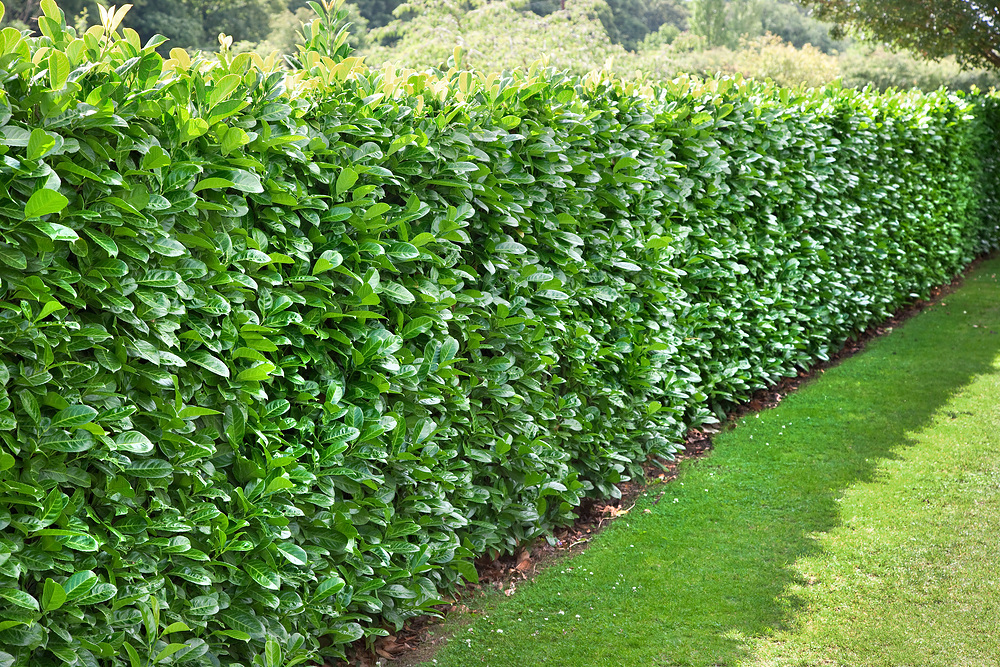
A broadleaved evergreen option for substantial hotel boundaries with adequate planting width. Its glossy leaves can make a strong backdrop to garden planting. Allow for vigorous growth and regular clipping, and check the full route for maintenance access before choosing it.
View plants and sizesSectors we supply
Hotel hedging: evergreen boundaries and guest garden structure
A clipped yew hedge can give a hotel entrance a smart, defined edge, while cherry laurel can screen a car park or provide privacy around outdoor seating. The right planting makes these areas easier to manage without blocking important views or restricting access. Start by walking the grounds at different times of day, noting where you want to keep a view open and where a solid green backdrop would improve the setting.
Compare hedge plantsCompare plants for your project
All hedge plantsStart with the site conditions and intended height. Compare the supplied size and minimum quantity before you order.
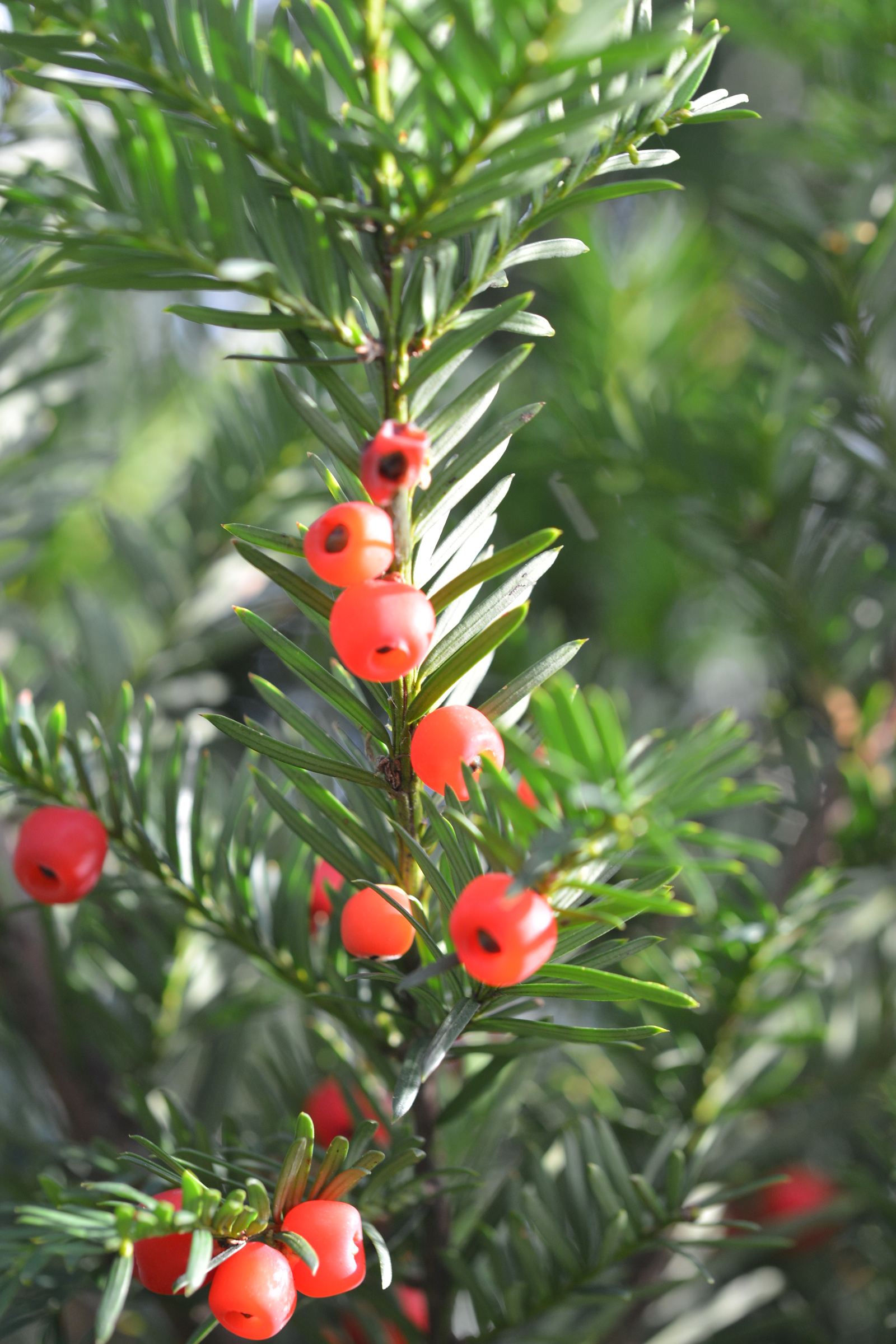
Consider yew where a formal, clipped evergreen hedge suits the building and grounds. It needs well-drained soil and room for the intended shape. Assess the location carefully because yew is toxic if eaten, particularly where children or animals can reach it.
View plants and sizes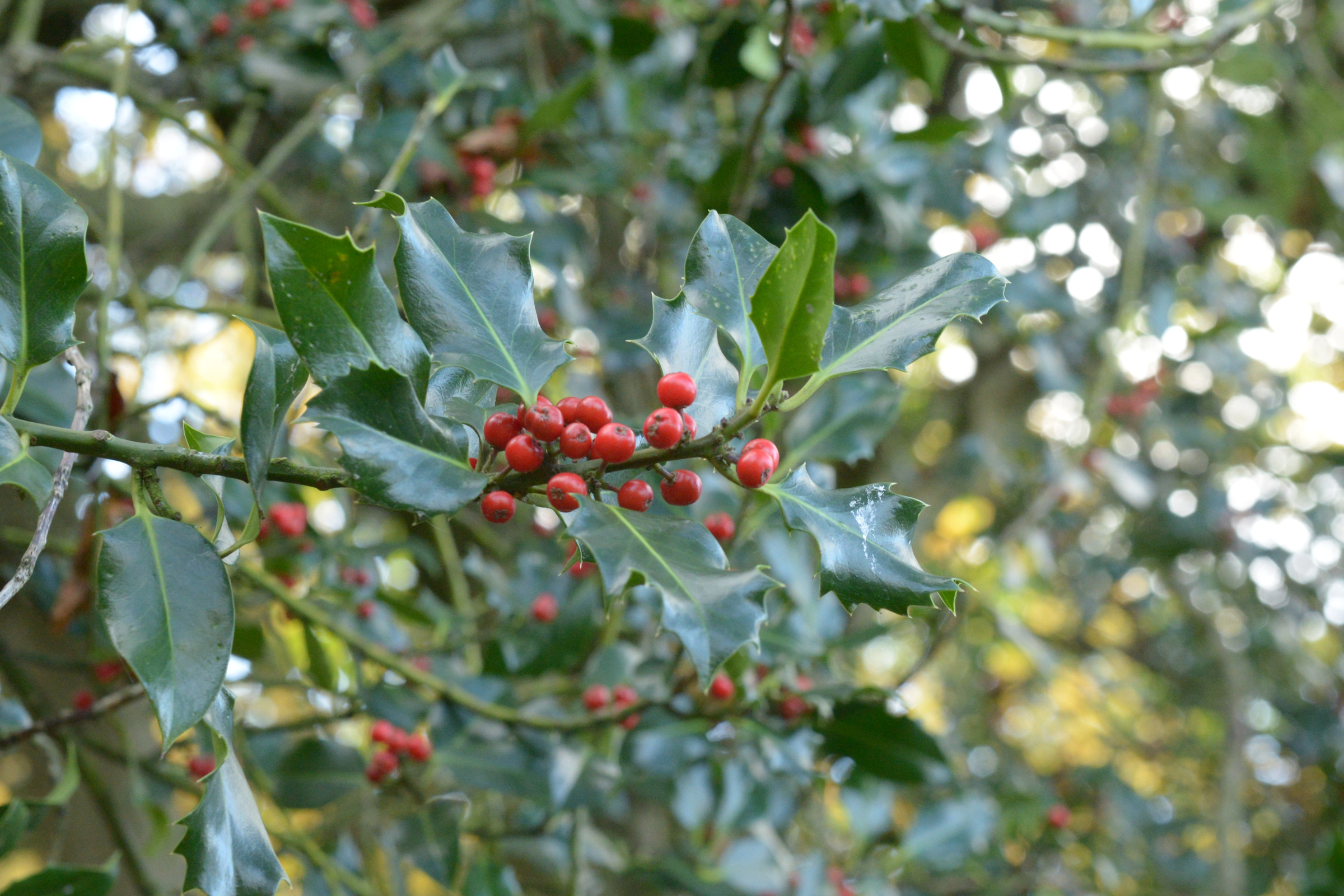
Holly offers evergreen foliage for a boundary away from close contact with guests. Its spiny leaves need thought beside narrow paths, outdoor seating and play areas. Choose it for a suitable position rather than assuming every evergreen plant belongs beside an entrance.
View plants and sizesFor smaller planting, cherry laurel starts at 40 to 60cm in 9cm pots, while English yew is available at 80 to 100cm as rootballed plants for a more established appearance from the outset. Match the species to your soil, planting width and the time your grounds staff can give to clipping. Use a measured plan to check the hedge will still fit once it reaches its maintained height and spread.
Which hedge gives a formal look quickly?
English yew and cherry laurel give quite different results when used for formal hotel hedging. Yew suits close clipping and precise outlines, while cherry laurel produces a fuller boundary with larger leaves. Yew produces a dense, dark green surface that clips into sharp lines. It grows roughly 20 to 30cm a year once settled and suits well drained soil. Cherry laurel is broader leaved, glossy and more vigorous, putting on 30 to 60cm of growth annually. It grows in sun or partial shade and tolerates many garden soils, provided drainage is reasonable. Its large leaves and vigorous shoots need regular attention if the hedge is to keep a straight, tidy outline.
The starting size you pick affects how soon the hedge reads as formal. Rootballed yew at 80 to 100cm provides a taller starting point than bare root yew at 40 to 60cm, although both need time to thicken into a continuous hedge. Cherry laurel at 90 to 120cm in a 2 litre pot provides more initial foliage than the smaller 40 to 60cm plants in 9cm pots. The time needed to close gaps depends on spacing, conditions and aftercare. If you are planting to a fixed opening or event date, choose the largest size your budget allows and order early enough to allow for establishment watering.
| Species | Supplied height | Root type | Growth per year | Formal finish |
|---|---|---|---|---|
| English yew | 80-100cm | Rootball | 20-30cm | Dense, fine textured |
| English yew | 40-60cm | Bare root | 20-30cm | Needs 2-3 years to fill out |
| Cherry laurel | 90-120cm | 2 litre pot | 30-60cm | Broad leaved, clips well |
| Cherry laurel | 40-60cm | 9cm pot | 30-60cm | Establishment phase longer |
Which hedges screen car parks and bin stores?
Around bin stores and service yards, check the height needed to hide equipment and the space available for a mature hedge. Leave access for collections, deliveries and trimming, particularly where planting runs beside paving. Green Leylandii is a vigorous choice that can put on around 60 to 90cm a year in favourable conditions once established, although growth varies with the site and care. It forms a dense evergreen screen and is available as pot grown plants from 40 to 150cm or as bare root plants in the dormant season. Allow for its eventual width: a Leylandii hedge maintained at 2 to 3m tall can spread 1.5 to 2m wide.
Where space is tighter, cherry laurel or Portuguese laurel are good alternatives. Portuguese laurel has smaller, darker leaves on red stems and grows 30 to 50cm a year. It clips into a neat screen and tolerates poorer soils better than cherry laurel. For a lower screen around bin stores, holly hedging works well. Its firm, spiny evergreen leaves can discourage people from walking through a boundary, but those same leaves make it unsuitable for narrow paths where guests, children or staff may brush against the foliage. English holly grows 20 to 40cm a year and is supplied in 9cm pots at 30 to 80cm.
- Green Leylandii: fastest screen, needs width
- Cherry laurel: vigorous, broad leaved
- Portuguese laurel: neater leaf, tolerates poorer soil
- Holly: prickly barrier, slower growing
How often will a formal hedge need clipping?
The clipping schedule depends on how quickly the hedge grows and how sharp an outline the hotel needs. Vigorous Leylandii may need two or three trims during the growing season, while established yew often holds its shape with one carefully timed annual cut. Fast growing species such as cherry laurel and Green Leylandii benefit from a trim in late spring, again in midsummer and a light tidy in early autumn. Slower growers like yew and holly usually need one clip in late summer or early autumn, with a light shaping trim in spring if the outline has softened over winter.
The exact frequency depends on the species, the soil and how much growth you are willing to accept between cuts. Agree the clipping schedule with your grounds team before planting, including how clippings will be collected and removed without crossing guest areas. Regular light trimming can encourage branching and help vigorous hedges retain a tidy outline. Keep the base slightly wider than the top so lower foliage receives light, and avoid leaving excessive growth that later requires hard cutting. Newly planted hedges need formative trimming from the first year to build a solid framework.
| Species | Clips per year (formal) | Best trimming months |
|---|---|---|
| Cherry laurel | 2-3 | May, July, September |
| Green Leylandii | 2-3 | May, August, October |
| English yew | 1-2 | August, April (light shape) |
| Holly | 1-2 | August, April (light shape) |
| Portuguese laurel | 2 | June, September |
Planning the view from both sides of the hedge
Walk the grounds as a guest would: from the car park to reception, along bedroom paths and out to the terrace. Mark any place where foliage should frame a view rather than close it. Consider how the hedge will look from a seated table or a ground floor window, not only from the main path. A boundary that frames the arrival view may be too tall beside a terrace, so vary the height to suit each section.
For privacy planting, identify the view you want to soften and the height needed at that point. Smaller plants will take time to form a continuous hedge. Compare the supplied height with the setting guests will use during establishment. Evergreen foliage is useful beside an entrance used throughout the year: cherry laurel gives a broad leaved effect, while yew has a finer, darker appearance. Check soil drainage and light before settling the choice.
Giving planting room beside paths and service areas
Allow for the finished width near entrance signs, lighting, accessible routes and outdoor seating. Leave space to trim without moving every table or blocking a busy entrance. At the back of the property, keep refuse storage, kitchen deliveries and maintenance access in the layout rather than treating them as leftover gaps.
A hedge can separate the appearance of a service area from the guest garden, but the access arrangements still need to work. Keep inspection covers and gates reachable. Where ground is narrow, choose a species suited to the available growing space instead of relying on repeated hard cutting. Portuguese laurel and yew both tolerate narrower profiles than Leylandii when clipped regularly.
Establishment care around a working property
Identify a usable water point before planting. New hedges need checks during dry weather, including when occupancy is high and staff have other priorities. Record who looks after a new run and who covers days off. A general grounds contract may not include frequent establishment visits, so plan for extra watering in the first growing season.
Agree the intended hedge height and width with whoever trims it. Keep a route for equipment and for removing clippings without carrying them through guest areas. Review the hedge while it is young so growth can be guided before it encroaches on paths, seating or signs. Bare root plants, supplied in the dormant season (roughly November to March), need particularly attentive watering in their first spring and summer.
Questions about hotels & hospitality
Which hedging is suitable for a hotel entrance?
Begin with the available width, the required finished height and the views that must stay open. Compare evergreen plants where winter foliage matters, but check the soil and maintenance requirements. A grand entrance does not necessarily need a tall hedge. Proportion and clear access are more useful starting points. Yew gives a formal look, while cherry laurel provides a broader, glossier presence.
Can you plant to a fixed opening or event date?
You can, but the hedge will not look mature overnight. Choose the largest supplied size your budget allows and order well ahead so the plants have time to settle and be watered in. Rootballed yew at 80 to 100cm or pot grown cherry laurel at 90 to 120cm give the most immediate effect. Bare root plants are only available in the dormant season and take longer to establish.
Can hedging give privacy around a guest terrace?
It can create a more enclosed garden setting as it establishes. Measure the particular view you want to soften and allow room for the hedge without narrowing the usable terrace. Compare starting sizes carefully, since young plants do not provide the same cover as a mature photograph. Cherry laurel and Leylandii screen fastest, while yew takes longer but gives a finer finish.
What should a hotel include in a planting enquiry?
Send the lengths to be planted, the width of the beds, desired maintained height and any species already chosen. Include the site postcode and planting period. Photos can help explain the layout, especially near entrances, guest windows or service routes that need to remain open. This allows us to check quantities and suggest suitable starting sizes.
Is there a hedge that needs no regular attention?
A managed hedge needs care. The workload varies with the species, desired finish and growing conditions, and new planting needs establishment checks. Choose a hedge your grounds team can maintain at the intended height and width rather than relying on a low maintenance label alone. Yew and holly need fewer clips per year than cherry laurel or Leylandii.
How many plants will I need per metre?
Spacing depends on the species and the size you order. As a guide, cherry laurel and Portuguese laurel are typically planted at 2 to 3 plants per metre, yew at 3 to 4 per metre, Leylandii at 2 to 3 per metre and holly at 3 to 4 per metre. Larger potted or rootballed plants may need slightly wider spacing. Measure the total length of your hedge run and we can confirm the exact quantity for your chosen size.