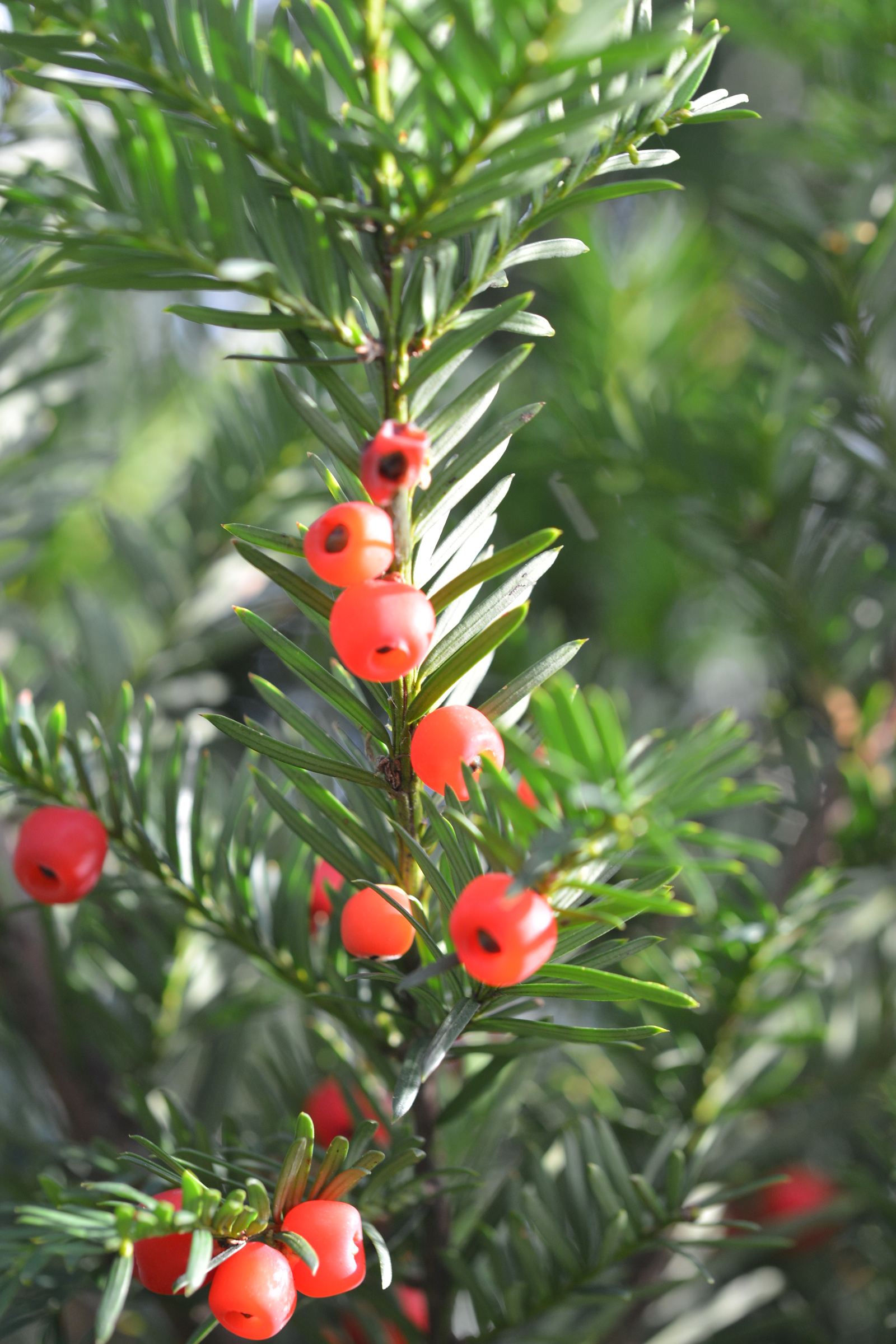
Compare yew where the garden evidence or agreed design calls for a formal evergreen hedge. It needs well-drained ground and an appropriate maintenance routine. Assess its toxicity if eaten, including how cuttings will be handled around people, pets and grazing animals.
View plants and sizesSectors we supply
Hedging for listed buildings
A hedge beside a listed building can be part of the way the house and garden are seen together. It may frame an entrance, divide a formal garden or preserve an established view. Before replacing or adding hedging, establish what the existing planting contributes to the place.
Compare hedge plantsCompare plants for your project
All hedge plantsStart with the site conditions and intended height. Compare the supplied size and minimum quantity before you order.
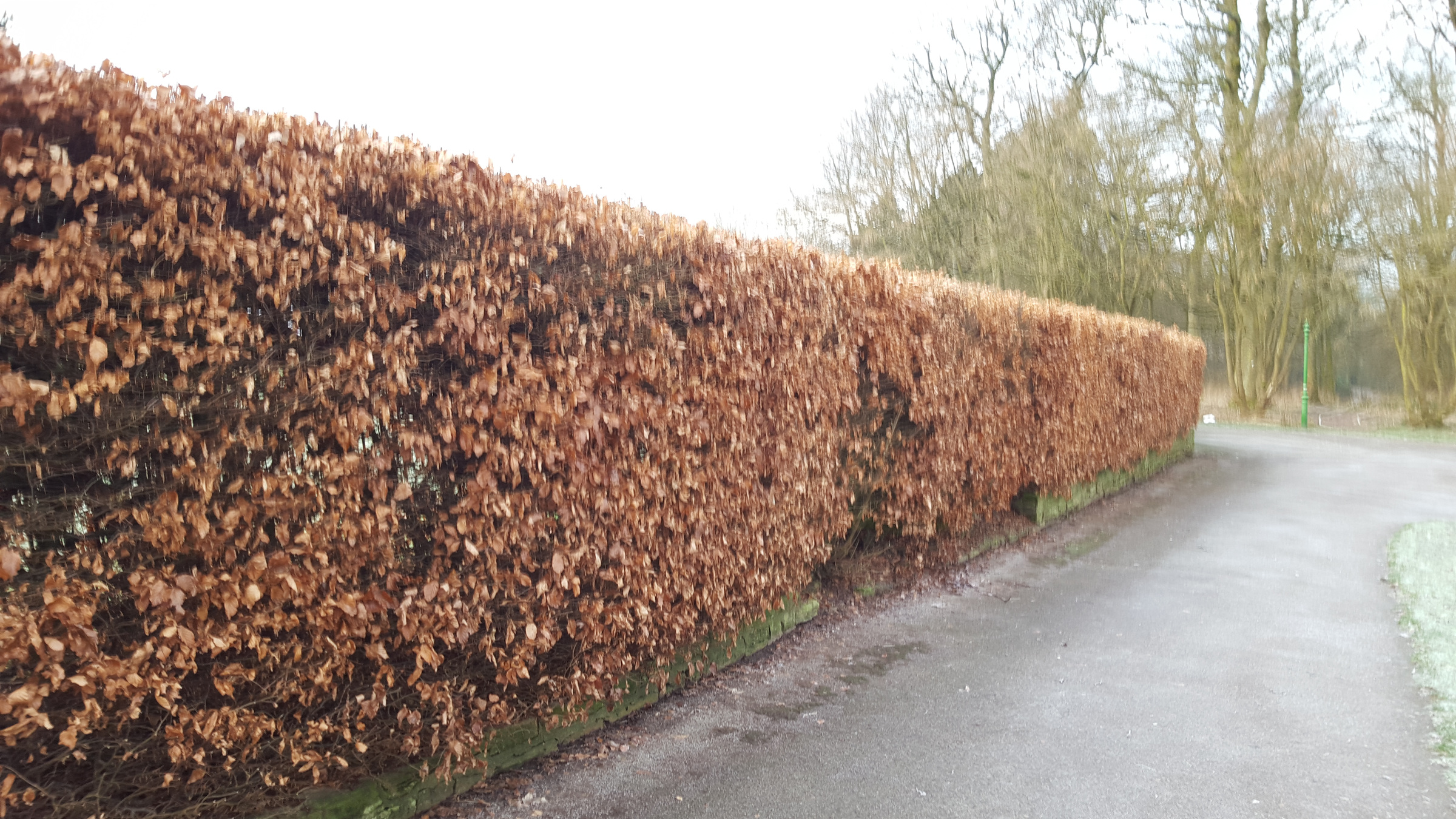
Green Beech
Check the range for availability.
Beech is an option where a deciduous hedge fits the existing garden or approved replacement plan. Check the soil and available room before selecting it. Use the actual historic evidence where available, rather than assuming beech suits every period property.
View plants and sizes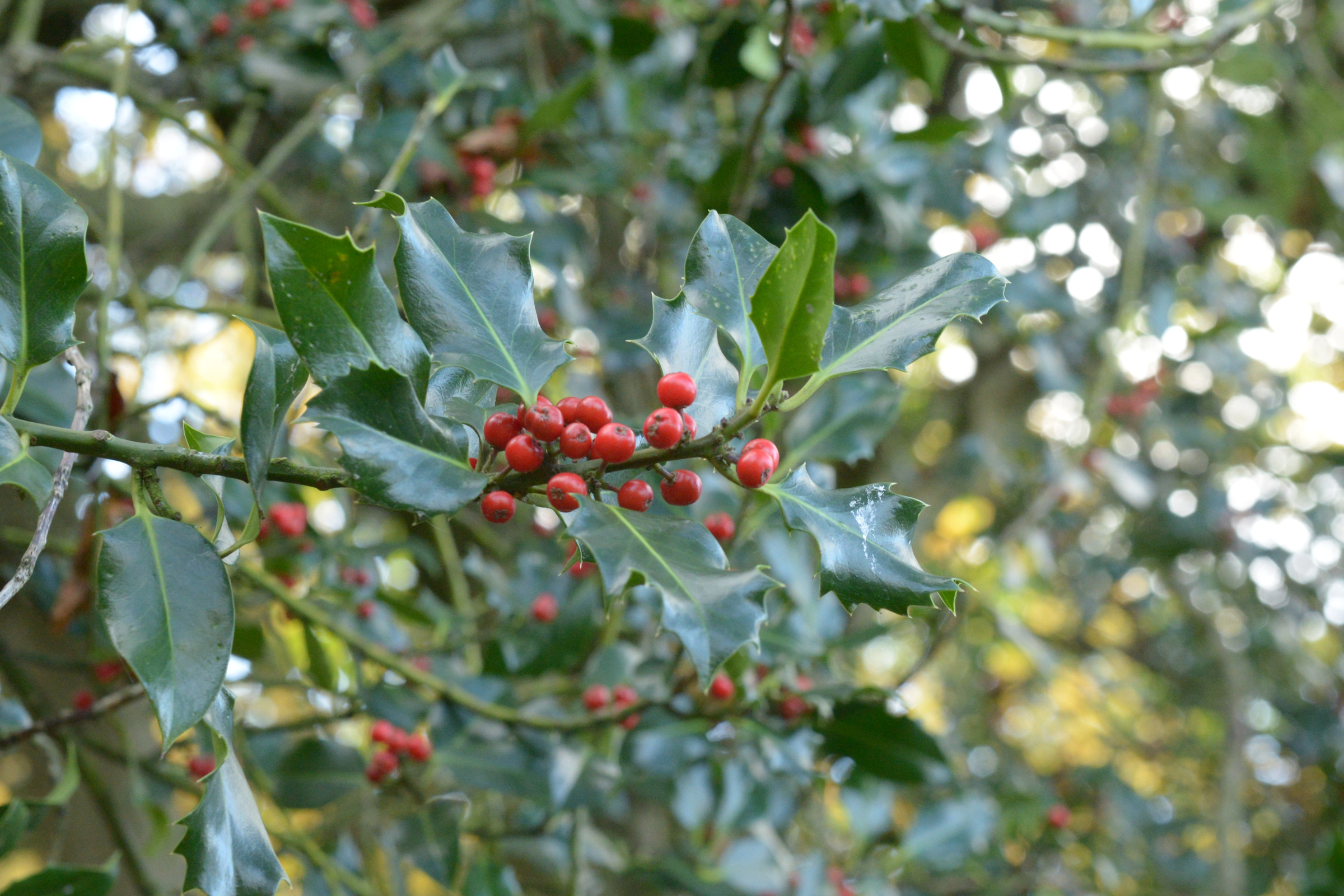
Consider holly when its evergreen character belongs in the garden’s boundary treatment. Check the chosen plants against the evidence for the site and the intended hedge form. Account for prickly foliage, plant hazards and access beside paths when deciding its position.
View plants and sizesThe age of the building alone does not determine the right hedge. Look at the garden’s history, the surviving plants and any agreed conservation or landscape plan. Use that information to prepare a clear specification, then compare the available plants with the conditions on the ground.
Read the existing layout before making changes
Photograph the hedge from the house, entrance and main paths. Record its line, approximate height and width, any openings and the species where known. Old plans and photographs may help explain why a hedge is there, especially where later planting has obscured an earlier arrangement. Keep evidence of what exists before any work begins.
Historic England notes that garden hedges can form enclosures, entrances, parterres and screens, with the species sometimes reflecting the garden’s history. That is a reason to investigate the particular garden rather than select a plant simply because it looks traditional. A small surviving section may provide useful evidence for a replacement length.
Confirm the requirements for this site
Listing does not mean every hedge alteration follows the same consent process. Requirements depend on the site and the proposed work. Check the designation, any relevant landscape plan and the position of the hedge with the local conservation or planning team before committing to removal or a changed layout.
Historic England’s guidance covers England and points to separate controls affecting some hedgerows and scheduled sites. For projects elsewhere in the UK, use the relevant local authority and national heritage advice. Keep the response with the project file so the person ordering the plants works from the same agreed proposal as those carrying out the work.
Decide between repair and a complete new length
Where the intention is to retain a hedge, identify why a gap or weak section has developed before replacing plants. Check drainage, shade from established trees and the room available for new roots. Putting another plant into an unresolved problem area can repeat the same disappointment. A knowledgeable gardener or site adviser can help assess the existing hedge where its condition is uncertain.
For a new length, specify the species, supplied size and maintained dimensions separately. Matching a young replacement to a mature hedge involves time and management; it will not have the same mass on planting day. If several phases are planned, record what was planted in each one so future orders are based on the actual species and sizes used.
Allow for the work a formal hedge needs
Yew can be considered for a clipped evergreen line on well-drained ground. Beech offers a deciduous alternative, while holly may suit a boundary where its foliage and eventual form belong in the garden. These are choices to compare against the evidence and conditions, rather than a standard planting list for every old property.
Leave access for trimming without damaging paths, adjacent planting or historic features. Agree where cuttings will be taken and how watering equipment will reach new plants. A hedge maintained for a crisp outline needs a different routine from a looser boundary, so give the person responsible for the garden a say in the specification.
Questions about listed buildings
Do I need permission to change a hedge at a listed building?
There is no single answer for every site or alteration. Check the proposed work, the relevant designations and any existing permissions or management plan with the local conservation or planning team. Do this before removing a hedge or ordering a substantially different replacement.
Which hedge looks right beside an old building?
Start with evidence from the particular garden. Existing plants, old photographs and the layout may be more useful than the building’s date alone. Yew, beech and holly are options to compare, but the final choice should also suit the ground and planned maintenance.
Can I fill gaps in an established formal hedge?
Replacement planting may be possible, but first identify the plant and the reason for the gap. Established roots, shade and poor drainage can make a replacement difficult to establish. Check the condition and management of the whole length before treating the gap as a simple shopping quantity.
Should replacement plants match the old hedge’s height?
Supplied height is only one part of the decision. Larger plants need suitable root space and careful establishment, while smaller plants may take longer to match the outline. Compare the available sizes with the agreed restoration approach and the care that can be provided.