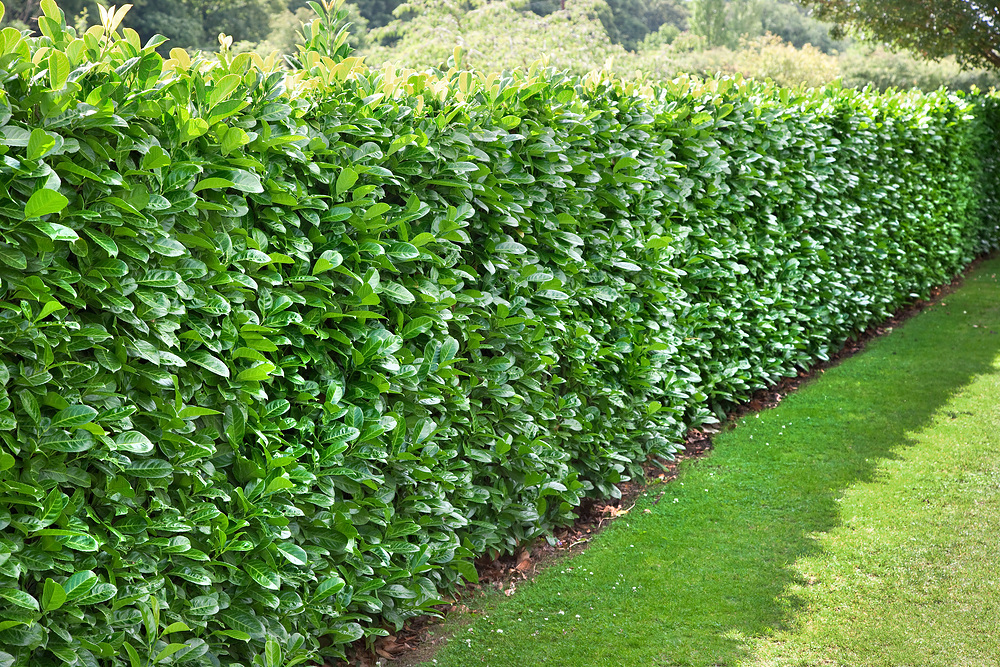
Is laurel poisonous? The short answer
Yes, both cherry laurel (Prunus laurocerasus) and Portuguese laurel (Prunus lusitanica) are poisonous. All parts of the plant, including leaves, berries and seeds, contain cyanogenic glycosides, which release hydrogen cyanide when chewed or damaged. The danger depends on which part has been eaten, how much was chewed and the size of the person or animal. Leaves and crushed seeds can release cyanide, and suspected ingestion should be taken seriously, particularly with children, pets and livestock. Do not use the absence of immediate symptoms as reassurance.
- Cherry laurel and Portuguese laurel both contain cyanogenic glycosides.
- Leaves, stems, berries and seeds are all toxic if chewed or ingested.
- Wilted leaves and crushed seeds release the most hydrogen cyanide.
- Symptoms can include stomach upset, breathing difficulty and, in severe cases, convulsions.
Berries, leaves and seeds
Laurel berries should never be treated as edible. The flesh generally contains less of the toxic compounds than the seed, but the hard stone inside presents a particular danger if crushed or chewed. Cyanogenic compounds can then release hydrogen cyanide during digestion. Birds, however, can eat the berries and pass the seeds undamaged, which is why you often see them feeding on laurel hedges without ill effect.
The leaves are toxic throughout the year, but the risk increases when they are wilted or damaged. Fresh leaves have a bitter, astringent taste that discourages most animals from eating more than a tiny amount. After cutting a hedge or during autumn leaf fall, wilting leaves become more palatable and more dangerous. This is particularly important if you are clearing clippings near livestock or where dogs have access.
The seeds inside laurel berries contain cyanogenic compounds that may release cyanide when chewed. It is not possible to give a reliable safe number of seeds for a child or small dog because exposure and toxicity vary. Any suspected ingestion involving chewed seeds warrants prompt professional advice, even if symptoms have not appeared.
| Plant part | Risk level | Notes |
|---|---|---|
| Fresh leaves | Moderate | Bitter taste deters most animals; risk rises if eaten in quantity. |
| Wilted leaves | High | More palatable and higher cyanide release; common after pruning. |
| Berry flesh | Low | Mildly toxic; birds eat it safely. |
| Seeds (chewed) | Very high | Concentrated cyanide; dangerous for dogs and children. |
Dogs, cats, horses and livestock
Dogs are the most commonly affected pets, partly because they may chew sticks or fallen berries in the garden. Are laurel berries poisonous to dogs? Yes, especially if the seeds are crunched. Signs of poisoning include drooling, vomiting, diarrhoea, rapid breathing and, in severe cases, convulsions or collapse. If you suspect your dog has eaten laurel leaves or berries, contact your vet immediately and mention the plant by name.
Cats are less likely to eat laurel, but the risk is the same. Curious kittens may bat at fallen berries or chew a leaf. Symptoms are similar to those in dogs. Horses and livestock, including cattle and sheep, are at serious risk from laurel clippings. Never dump hedge trimmings in a field or near a fence line where animals can reach them. Wilted laurel is sweet-smelling and more attractive to grazers, and even a small amount can be fatal.
- Dogs: vomiting, diarrhoea, breathing changes, collapse; seek urgent vet care.
- Cats: similar symptoms; less likely to ingest but still at risk.
- Horses and cattle: wilted clippings are extremely dangerous; keep hedges well fenced.
- Always tell the vet the plant name and roughly how much was eaten.
Children and gardens
Laurel berries can attract young children because they resemble small cherries, so teach children never to pick or eat them. The seeds and leaves contain compounds that can release cyanide when chewed, and there is no reliable safe quantity for a child. If a child has swallowed any part of laurel, remove visible pieces from the mouth, do not induce vomiting and seek advice from NHS 111 promptly. Call 999 if the child has difficulty breathing, collapses, has a seizure or becomes unconscious. Follow medical advice before giving anything to eat or drink.
For peace of mind, position laurel hedges away from play areas or choose a non-toxic alternative if you have very young children who put things in their mouths. The risk is low in practice, but knowing the facts helps you make a confident choice for your garden.
Clippings: composting and burning
Can you burn laurel wood? Burning garden waste can create hazardous smoke, and fresh laurel leaves contain cyanogenic compounds that make careless disposal particularly unwise. Avoid burning fresh laurel clippings, especially in a confined space. Burning restrictions may also apply locally. Composting or using an appropriate green waste collection is generally a more practical choice. Well-seasoned laurel wood is different from fresh leafy trimmings and should not be described as inevitably releasing dangerous quantities of cyanide when burned in a properly operated stove.
Composting laurel clippings is safe once the material has fully broken down. The cyanogenic glycosides degrade during decomposition, and the finished compost poses no risk. Shredding the clippings first speeds up the process. Do not add large quantities of fresh laurel to a compost heap that pets or wildlife can access, as the wilting leaves remain toxic for several weeks.
- Avoid burning fresh laurel clippings; use composting or an appropriate green waste collection where possible.
- Stand upwind and avoid breathing the smoke.
- Composting is safe after full decomposition; shred to speed it up.
- Keep fresh clippings away from animals until they have broken down.
Safer alternatives
If laurel toxicity is a concern, consider the alternatives carefully rather than assuming another hedge is harmless. Green beech retains some dry brown foliage through winter, but its mast should not be eaten in quantity by pets or livestock. Privet provides semi-evergreen screening, although its berries and foliage can be harmful if swallowed. English yew is highly poisonous and should not be suggested as a safer choice for gardens where animals may browse the hedge.
Box hedging (Buxus) is useful for low borders and parterres, but it is poisonous if eaten and is not a safe substitute for laurel where pets graze on plants. Mixed dwarf conifers offer compact evergreen foliage, although toxicity depends on the species included. Euonymus Emerald Gaiety has attractive white-edged leaves but can also be harmful if ingested. Check the safety of each plant before choosing a hedge for a garden used by children, pets or livestock.
| Hedging plant | Toxicity | Evergreen | Typical height |
|---|---|---|---|
| Green beech | Non-toxic | Winter leaf retention | Up to 5m |
| Privet | Mildly toxic (berries) | Semi-evergreen | Up to 4m |
| Box (Buxus) | Non-toxic | Evergreen | 0.3 to 1.5m |
| Euonymus Emerald Gaiety | Non-toxic | Evergreen | Up to 1m |
| Mixed dwarf conifers | Non-toxic | Evergreen | 0.5 to 2m |
Common questions
Are laurel berries poisonous to dogs?
Yes, laurel berries are poisonous to dogs, particularly if the hard seeds inside are chewed or cracked. The seeds contain cyanogenic glycosides that release cyanide. Symptoms can include vomiting, diarrhoea, drooling, rapid breathing and, in severe cases, convulsions. If your dog eats laurel berries, contact your vet straight away and tell them the plant name and roughly how many berries were eaten.
Is cherry laurel more poisonous than Portuguese laurel?
Both cherry laurel (Prunus laurocerasus) and Portuguese laurel (Prunus lusitanica) contain similar cyanogenic glycosides. Cherry laurel leaves tend to have a higher concentration of the compound prunasin, but the difference in practical risk is small. The real danger with either species comes from wilted leaves and chewed seeds, so handle both with the same care.
Can you burn laurel wood in a log burner?
Avoid burning fresh, leafy laurel cuttings in a log burner or open fire. Fresh garden waste burns poorly and can produce irritating smoke. Properly seasoned laurel wood is not automatically unsuitable as firewood simply because the living plant contains cyanogenic compounds, although the stove manufacturer's fuel guidance should always be followed. Compost leafy trimmings securely or dispose of them through a suitable green waste service.
What should I do if my child eats a laurel berry?
Remove any visible pieces from the child's mouth and do not try to make them vomit. Contact NHS 111 promptly and explain that the plant may be cherry laurel or Portuguese laurel, including how much might have been eaten and whether the seeds were chewed. Follow medical advice about food and drink. If the child collapses, has a seizure, becomes unconscious or has difficulty breathing, call 999 immediately.
Are laurel leaves poisonous to touch?
Laurel leaves are not poisonous to touch. The toxins are only released when the leaves are chewed, crushed or damaged, which breaks the cell walls and activates the cyanogenic compounds. You can handle laurel safely when planting or pruning, though it is good practice to wash your hands afterwards and avoid touching your face.
Is it safe to compost laurel clippings?
Yes, composting laurel clippings is safe once the material has fully rotted down. The cyanogenic glycosides break down during decomposition and the finished compost is harmless. Shredding the clippings first helps them decompose faster. Keep fresh clippings in a closed bin or an area that pets and wildlife cannot access, as wilting leaves remain toxic for several weeks.