Which lavender makes the best low hedge
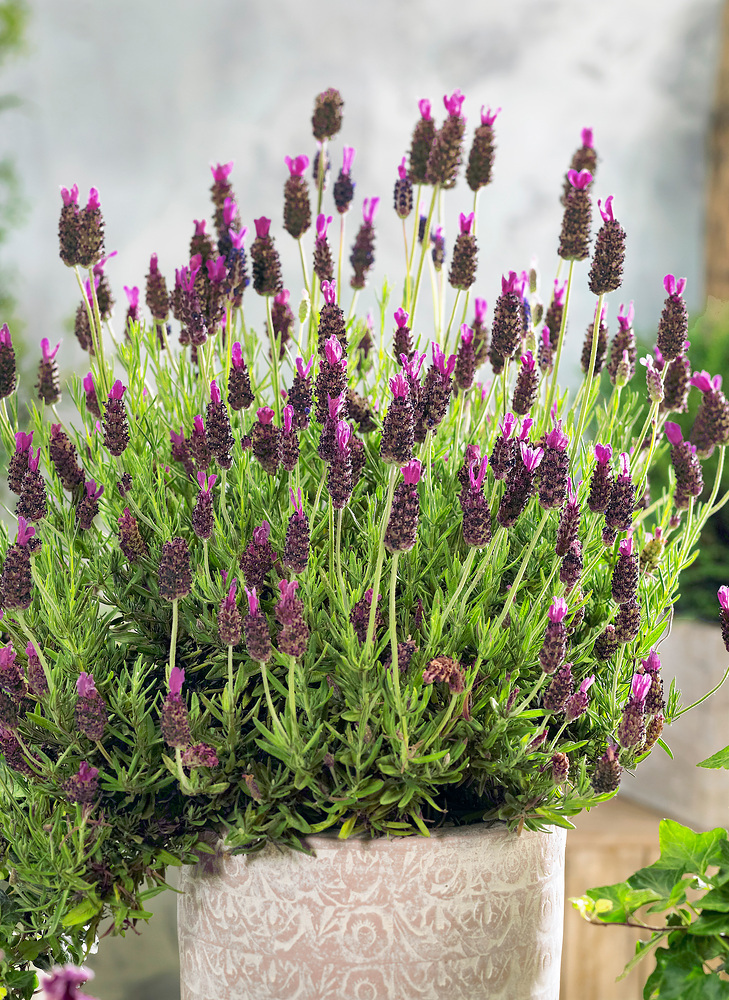
A lavender hedge is a classic way to line a path or front a border with grey-green foliage and scented purple flowers through summer. French lavender (Lavandula stoechas) makes an attractive low hedge in mild, sheltered UK gardens, with compact growth and distinctive purple flower heads topped by upright bracts. English lavender is generally the hardier choice for colder or more exposed sites. Our hedging lavender is the French lavender Bandera Purple, a compact variety that reaches about 40 to 50cm tall and wide, making it ideal for a low, informal hedge. English lavender (Lavandula angustifolia) is often recommended for hedging in colder gardens because it is hardier, but we sell French lavender only. If your garden is very exposed or you garden on heavy clay in a cold region, English lavender would be the safer choice for a permanent hedge. In a sunny, sheltered garden with free-draining soil, Bandera Purple can make a fragrant, low-growing edge, flowering from late spring through summer. Its tolerance of winter cold and wet is more limited than that of English lavender.
- French lavender (Lavandula stoechas): compact, bushy growth and tufted purple flowers from late spring into summer; best in sheltered, well-drained gardens
- English lavender (Lavandula angustifolia): hardier, better for cold, exposed sites and heavy clay soils
- Bandera Purple: a dwarf French lavender, 40 to 50cm tall and wide, ideal for low hedging
French vs English lavender for hedging
French lavender and English lavender look and behave differently in a hedge line. French lavender has distinctive tufted flower heads topped with petal-like bracts, grey-green aromatic leaves and a looser, slightly more open habit. It flowers from late spring through summer, often with a second flush in early autumn if deadheaded. English lavender has slimmer, more upright flower spikes, a tighter, more rounded form and a stronger, classic lavender scent. It is hardier, coping with temperatures down to about minus 15°C, whereas French lavender can suffer damage below minus 5°C to minus 7°C. In a sheltered town garden with plenty of sunshine and soil that drains freely, French lavender has a better chance of surviving winter and keeping its compact shape. In a cold, exposed garden or on heavy, wet soil, English lavender is the better hedging plant, but we do not sell it. If you want a lavender hedge and your garden is cold, source English lavender elsewhere. Bandera Purple is best suited to milder parts of lowland Britain, where full sun, free-draining soil and some shelter from winter winds give it the conditions it needs.
| Feature | French lavender | English lavender |
|---|---|---|
| Botanical name | Lavandula stoechas | Lavandula angustifolia |
| Flower shape | Tufted heads with bracts | Slim, upright spikes |
| Flowering period | Late spring to late summer | Midsummer to early autumn |
| Height and spread | 40 to 60cm | 45 to 60cm |
| Hardiness | Down to minus 5°C to minus 7°C | Down to minus 15°C |
| Scent | Aromatic, slightly camphor | Sweet, classic lavender |
| Best for hedging | Mild gardens, sheltered sites | Cold gardens, exposed sites |
Spacing per metre for a lavender hedge
Planting distance makes the difference between a gappy row and a dense, continuous lavender hedge. For French lavender Bandera Purple, space plants 30 to 40cm apart in a single row. At 30cm spacing you need 4 plants per linear metre; at 40cm spacing you need 3 plants per metre. A double row, staggered, gives a thicker hedge more quickly, but it is rarely needed for a low lavender edge. If you want a double row, space rows 30cm apart and offset the plants, using 6 to 8 plants per metre in total. Lavender does not knit as tightly as box or privet, so closer spacing helps the plants meet sooner. At 30cm spacing, neighbouring plants may meet after two growing seasons, although growth depends on the starting size, soil and weather. Wider spacing leaves gaps visible for longer, while shade and poor pruning can produce woody, bare stems that seldom regrow.
| Spacing | Plants per metre (single row) | Plants for 5m | Plants for 10m | Plants for 20m |
|---|---|---|---|---|
| 30cm | 4 | 20 | 40 | 80 |
| 35cm | 3 | 15 | 30 | 60 |
| 40cm | 3 (rounded) | 13 to 15 | 25 to 30 | 50 to 60 |
Planting and soil for a lavender hedge
Lavender needs full sun and sharply drained soil to grow into a healthy hedge. Choose a south-facing or west-facing spot that gets at least six hours of direct sun a day. Heavy clay or waterlogged ground is the main reason lavender hedges fail: the roots rot in wet soil over winter. On heavy clay, a raised planting ridge 10 to 15cm high, filled with a suitable free-draining growing medium, is more useful than adding grit to an individual hole, which can collect water around the roots. The best planting time is spring, from April to early June, when the soil is warming up. You can also plant in early autumn, September to October, while the ground is still warm, giving roots time to settle before winter. Avoid planting in frozen, waterlogged or very dry soil. Dig a trench or individual holes slightly wider and no deeper than the root ball. If water collects in the planting hole, improve drainage across the whole planting area or choose a raised bed rather than adding grit only beneath the root ball. Set each plant so the top of the root ball sits level with the soil surface. Firm gently, water in well and mulch with a 2cm layer of gravel or grit, not bark or compost, to keep the crown dry and suppress weeds. Our French lavender Bandera Purple plants come in 1 litre pots, which establish quickly when planted in warm soil.
- Full sun: at least six hours of direct light daily
- Well-drained soil: avoid heavy, wet clay or improve with grit and a raised bed
- Plant in spring (April to June) or early autumn (September to October)
- Space 30 to 40cm apart in a single row
- Water in thoroughly and mulch with gravel, not bark
Pruning to keep a lavender hedge compact
Regular pruning keeps a lavender hedge dense, neat and free of woody, bare stems. Prune twice a year: a light trim in late summer after the main flowering, and a slightly harder cutback in early spring. The summer trim, around August, removes spent flower stems and about 2 to 3cm of the current year's soft growth. This tidies the hedge and often encourages a second flush of flowers. The spring prune, in March or early April once the worst frosts have passed, shapes the hedge and stops it opening up at the base. Cut back into the green growth but never into old, bare wood: lavender rarely sprouts from leafless stems. Aim to leave at least 5cm of green growth on each stem. If a lavender hedge has become leggy and woody, it is usually better to replace the plants than to try to renovate it by hard pruning. Sharp, clean secateurs or hedging shears give the cleanest cut and reduce the risk of disease.
- Summer trim (August): remove spent flowers and 2 to 3cm of soft growth
- Spring prune (March to April): shape the hedge, cut back into green growth only
- Never cut into old, bare wood: lavender struggles to regrow
- Replace very woody, leggy plants rather than hard pruning
Winter care for a lavender hedge
French lavender is less hardy than English lavender, so a little winter care helps a hedge come through cold months in good shape. Bandera Purple has the best chance of overwintering outdoors in mild, sheltered gardens, particularly where the soil drains freely. Prolonged frost or cold, wet ground can damage or kill plants. In colder gardens or during prolonged frost below minus 5°C, the foliage can blacken and stems may die back. A dry winter mulch of gravel or grit around the base, applied in autumn, protects the crown from wet and cold. Avoid piling compost or bark against the stems, which holds moisture and encourages rot. In very cold spells, a double layer of horticultural fleece draped over the hedge and secured at the sides gives a few degrees of extra protection. Remove fleece during mild, sunny days to let air circulate. Wet winter soil kills more lavender than cold alone, so good drainage is the best winter defence. In spring, any frost-damaged tips can be snipped back to healthy green growth as part of the spring prune.
- Mulch with gravel or grit in autumn, not bark or compost
- In cold gardens, cover with fleece during hard frosts below minus 5°C
- Remove fleece on mild days to prevent condensation and rot
- Good drainage is essential: wet roots over winter cause dieback
- Prune out frost-damaged tips in spring
Feeding and watering a lavender hedge
Lavender grows best in poor to moderately fertile soil and needs very little feeding. Too much nitrogen produces soft, floppy growth that is easily damaged by frost and reduces flowering. If your soil is very sandy or impoverished, a light dressing of sulphate of potash in early spring, around March, encourages strong stems and better flower colour. Avoid high-nitrogen fertilisers and manure. Water newly planted lavender hedges regularly during their first growing season, especially in dry spells, to help roots establish. Once established, lavender is drought-tolerant and rarely needs watering except in prolonged hot, dry weather. Overwatering or planting in soil that stays damp causes root rot and yellowing foliage. A gravel mulch helps conserve moisture while keeping the crown dry.
- Feed sparingly: a little sulphate of potash in spring if soil is very poor
- Avoid nitrogen-rich fertilisers and manure
- Water regularly in the first growing season until established
- Once established, water only during prolonged drought
- Gravel mulch helps retain moisture and protect the crown
Common problems with lavender hedges
Lavender hedges are generally trouble-free in the right conditions, but a few problems can appear. Root rot from wet soil is the most common cause of failure, showing as yellowing leaves, wilting and dieback. Prevention is better than cure: improve drainage before planting. Lavender leaf spot, a fungal disease, causes small brown or grey spots on leaves in wet summers; prune out affected stems and thin the hedge to improve airflow. Rosemary beetle and sage leafhopper occasionally feed on lavender, leaving small holes or pale mottling, but damage is usually cosmetic and plants outgrow it. Frost damage turns leaf tips brown or black in winter; prune back to green growth in spring. If plants become leggy and open at the base, this is usually due to insufficient pruning or too much shade. Move plants or replace them if the hedge has become very woody.
- Root rot: yellowing, wilting, caused by wet soil; improve drainage
- Leaf spot: brown or grey spots in wet weather; prune and improve airflow
- Rosemary beetle and leafhopper: minor cosmetic damage, rarely serious
- Frost damage: brown or black tips; prune in spring
- Leggy growth: caused by too little pruning or too much shade
Month-by-month lavender hedge care calendar
A simple monthly routine keeps a lavender hedge looking tidy and healthy through the year. The table below sets out the key tasks for French lavender Bandera Purple grown as a low hedge in the UK.
| Month | Task |
|---|---|
| January | Check drainage and gravel mulch; shake off heavy snow |
| February | Prepare new planting areas with grit if needed |
| March | Spring prune: cut back into green growth, shape hedge |
| April | Plant new lavender hedges; apply sulphate of potash if soil is poor |
| May | Water new plants in dry spells; watch for pests |
| June | Enjoy flowering; water only if very dry |
| July | Deadhead spent flowers to encourage a second flush |
| August | Summer trim: remove flower stems and 2 to 3cm of growth |
| September | Plant new hedges early in the month; reduce watering |
| October | Apply fresh gravel mulch; check drainage |
| November | Leave unpruned; avoid walking on wet soil near roots |
| December | Protect with fleece in very cold spells; keep mulch in place |
Common questions
Can you grow a lavender hedge in shade?
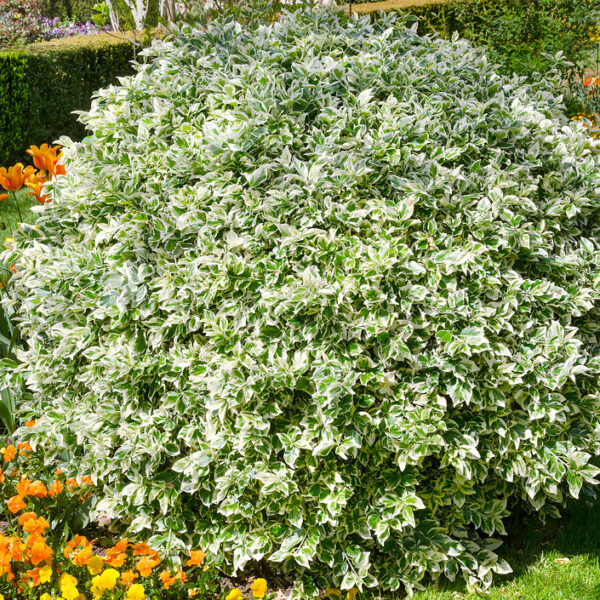
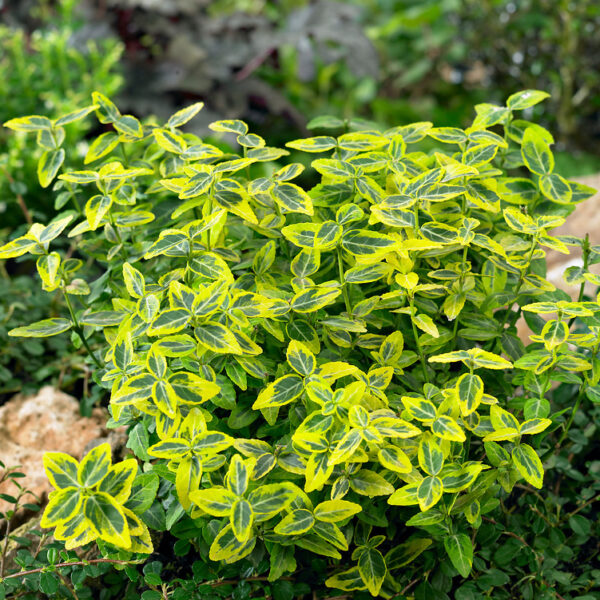
Lavender needs full sun to grow into a thick, flowering hedge. In partial shade it becomes leggy, flowers poorly and is more prone to disease. Choose a south-facing or west-facing spot with at least six hours of direct sunlight a day. If your only available space is shady, consider a shade-tolerant low hedge such as box or Euonymus instead.
How long does a lavender hedge take to establish?
A lavender hedge planted at 30 to 40cm spacing usually knits together within two full growing seasons. Individual plants reach their mature size of about 40 to 50cm tall and wide in three years. Close spacing and twice-yearly pruning speed up the process by encouraging bushy, lateral growth. Watering regularly in the first summer helps roots establish quickly.
Is French lavender hardy enough for a UK hedge?
French lavender is hardy in most UK gardens, especially in towns, coastal areas and the south. It tolerates temperatures down to about minus 5°C to minus 7°C. In colder, exposed gardens or on heavy clay soil, it may suffer winter damage. Good drainage and a gravel mulch improve hardiness. In very cold regions, English lavender is the safer hedging choice.
How often should I water a new lavender hedge?
Water a new lavender hedge thoroughly at planting time, then once or twice a week during dry weather in the first growing season. The aim is to keep the root zone moist but never waterlogged. Reduce watering in autumn as growth slows. Once established, from the second year onward, lavender is drought-tolerant and rarely needs extra water except in prolonged hot, dry spells.
Why is my lavender hedge going woody and bare at the base?
Woody, bare stems at the base of a lavender hedge are usually caused by insufficient pruning or too much shade. Lavender needs cutting back into green growth every spring and a light trim after flowering. If you prune too lightly, the plant puts energy into top growth and the lower stems become exposed. Once stems turn bare and woody, they rarely regrow, so it is often better to replace very leggy plants.
Can I plant a lavender hedge on clay soil?
You can plant a lavender hedge on clay soil if you improve drainage first. Dig in plenty of horticultural grit or coarse sand to a depth of 30cm and plant on a raised ridge 10 to 15cm high. This lifts the roots above the wettest layer. Even with these improvements, lavender on clay is more vulnerable to winter wet than on free-draining soil. A gravel mulch also helps keep the crown dry.
When is the best time to prune a lavender hedge?
Prune a lavender hedge twice a year: a light trim in late summer, around August, after the main flowering, and a harder cutback in early spring, March to April. The summer trim removes spent flowers and a little soft growth. The spring prune shapes the hedge and stops it opening up. Always cut into green growth and never into old, bare wood.